Atal Bhujal Pilot Shows Gains In Karnataka Water Management
WATER & WASTE

Atal Bhujal Pilot Shows Gains In Karnataka Water Management

Atal Bhujal Yojana, introduced as a pilot initiative for participatory groundwater management, was implemented in priority water-stressed regions across seven States. In Karnataka, the programme covered 1,199 Gram Panchayats across 14 districts, including Bagalkot, Belagavi, Bengaluru Rural, Chamarajanagar, Chikkaballapur, Chikkamagaluru, Chitradurga, Davanagere, Gadag, Hassan, Kolar, Ramanagara, Tumakuru and Vijayanagar.

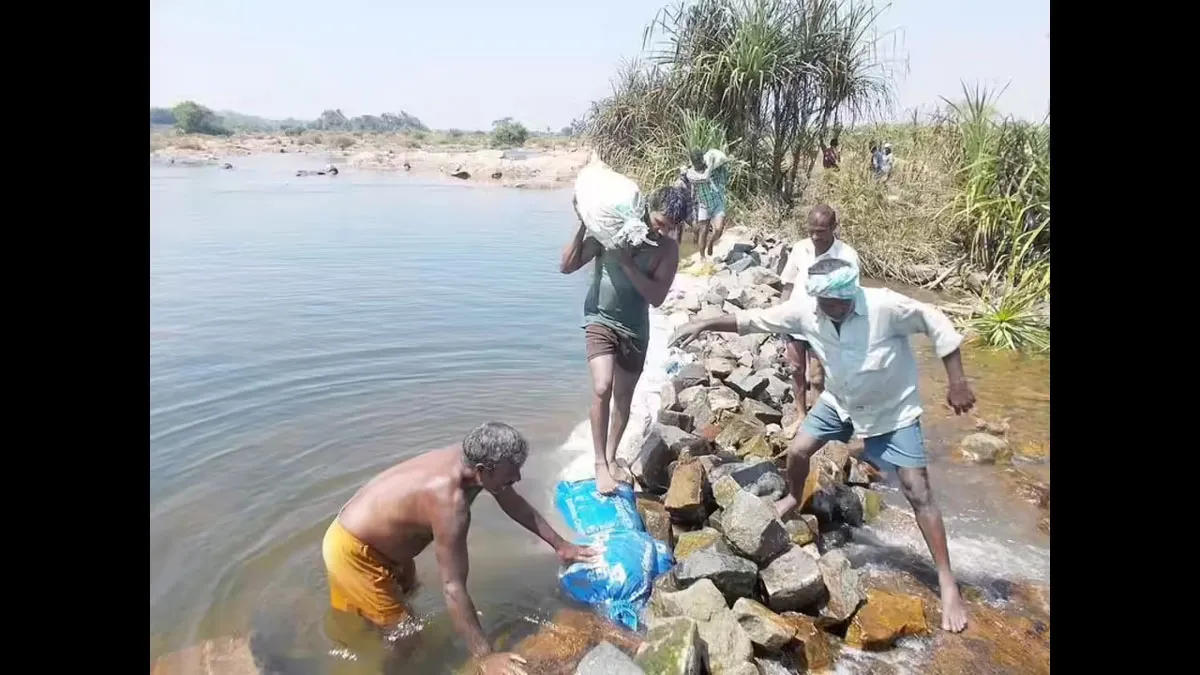
The pilot has significantly improved groundwater governance through sustained community involvement. The establishment of Participatory Groundwater Management Committees, the preparation of Water Security Plans, the adoption of water-efficient techniques, community-driven monitoring efforts and the construction of recharge structures have all strengthened the sustainable use of groundwater. During the scheme period, more than 25,000 water conservation and harvesting structures were created in the implementation area, while over 210,000 hectares of land were brought under efficient irrigation practices.

Although Atal Bhujal Yojana was designed as a time-bound pilot with a fixed financial outlay, the Ministry of Jal Shakti has urged all States to integrate the programme’s key outcomes into their broader groundwater management plans.

The information was shared by the Minister of State for Jal Shakti, Shri Raj Bhushan Choudhary, in a written reply in the Rajya Sabha.

Atal Bhujal Yojana, introduced as a pilot initiative for participatory groundwater management, was implemented in priority water-stressed regions across seven States. In Karnataka, the programme covered 1,199 Gram Panchayats across 14 districts, including Bagalkot, Belagavi, Bengaluru Rural, Chamarajanagar, Chikkaballapur, Chikkamagaluru, Chitradurga, Davanagere, Gadag, Hassan, Kolar, Ramanagara, Tumakuru and Vijayanagar. The pilot has significantly improved groundwater governance through sustained community involvement. The establishment of Participatory Groundwater Management Committees, the preparation of Water Security Plans, the adoption of water-efficient techniques, community-driven monitoring efforts and the construction of recharge structures have all strengthened the sustainable use of groundwater. During the scheme period, more than 25,000 water conservation and harvesting structures were created in the implementation area, while over 210,000 hectares of land were brought under efficient irrigation practices. Although Atal Bhujal Yojana was designed as a time-bound pilot with a fixed financial outlay, the Ministry of Jal Shakti has urged all States to integrate the programme’s key outcomes into their broader groundwater management plans. The information was shared by the Minister of State for Jal Shakti, Shri Raj Bhushan Choudhary, in a written reply in the Rajya Sabha.

Next Story
Infrastructure Urban

India Expands Digital Tools For Groundwater And Water Mapping

Atal Bhujal Yojana, a community-led groundwater management initiative, was implemented as a pilot across 8,203 priority water-stressed Gram Panchayats in seven States — Gujarat, Haryana, Karnataka, Madhya Pradesh, Maharashtra, Rajasthan and Uttar Pradesh. The scheme sought to improve groundwater management through community participation and demand-side interventions, reinforcing sustainability by strengthening institutions, governance frameworks and offering incentives for conservation at grassroots level. Under the Jal Shakti Abhiyan: Catch the Rain (JSA: CTR) campaign, overseen by the Mi..

Next Story
Infrastructure Urban

Maharashtra Reports Steady Progress On Water Conservation Efforts

Water is a State subject, and the responsibility for the conservation, planning, implementation, funding and execution of water resource management lies primarily with State Governments. The Central Government plays a supplementary role, supporting State-led initiatives. According to information provided by the Government of Maharashtra, the State has been consistently reviewing the progress of its Jal Sanchay Jan Bhagidari initiatives, including the Jal Shakti Abhiyan and the Amrit Sarovar programme. These reviews focus on strengthening community participation and ensuring measurable, on-gro..

Next Story
Infrastructure Urban

Centre Supports States In Ongoing River Clean-Up Efforts

The cleaning and rejuvenation of rivers is a continuous process, and the primary responsibility for treating sewage and industrial effluents before discharge rests with State Governments, Union Territories and Urban Local Bodies. The Central Government supplements these efforts through financial and technical support. River conservation is supported through the Central Sector scheme Namami Gange for rivers in the Ganga basin, and the Centrally Sponsored National River Conservation Plan for other river systems. Additional sewerage infrastructure is being developed under programmes such as the ..

Advertisement

Subscribe to Our Newsletter

Get daily newsletters around different themes from Construction world.

STAY CONNECTED

Advertisement

Advertisement

Advertisement

Get CW App