
+
Rajasthan to have 13 new industrial areas
OIL & GAS

Rajasthan to have 13 new industrial areas

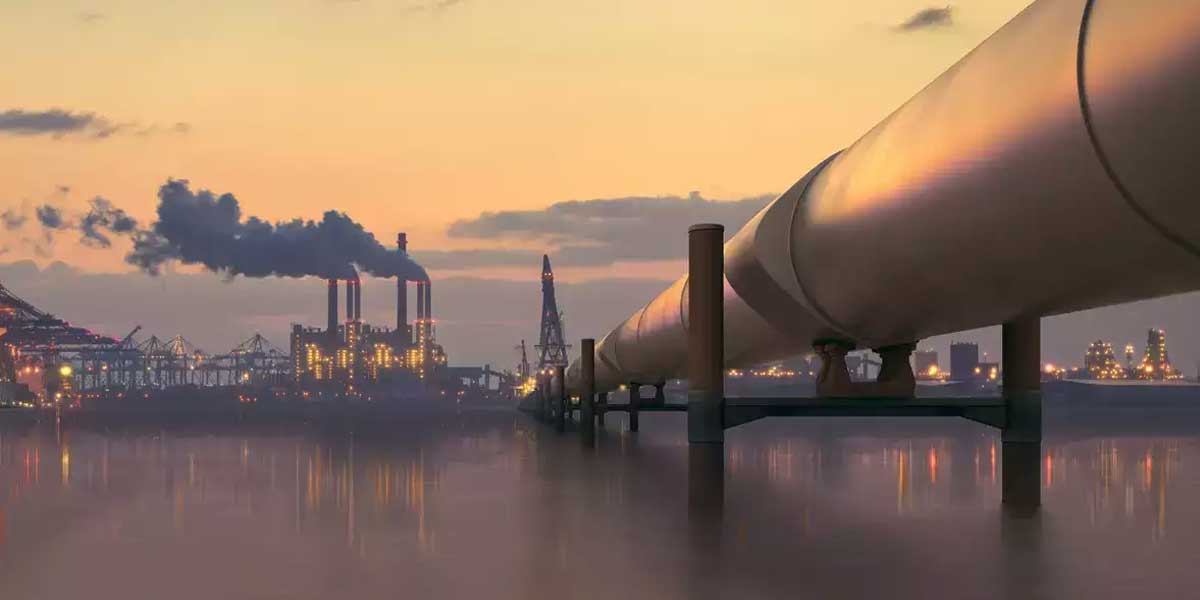
To boost the industrial infrastructure in the state, the Rajasthan State Industrial Development and Investment Corporation (RIICO) will build roughly 13 new industrial parks along the Mehsana- Bathinda gas pipeline route.

Furnace-based companies, which need affordable fuel for manufacturing, will be concentrated in these areas. The furnaces, ovens, boilers, turbines, and heaters will all be fueled by the gas pipeline. The Gujarat State Petronet Limited erected the 1,650-kilometer gas pipeline with permission from the Petroleum and Natural Gas Regulatory Board (PNGRB), of which 1,334 kilometres run through Rajasthan. According to a statement by Veenu Gupta, Additional Principal Secretary, Industries and Commerce Department, the gas pipeline has lately been charged with natural gas.

She claimed that the state is working very hard to improve the gas system in Rajasthan in order to promote green energy and lower operating costs for businesses.

The second-largest natural gas producing state in India is Rajasthan.

The Mehsana-Bhatinda gas pipeline, according to RIICO's managing director Shivprasad Nakate, will benefit businesses in the state's ceramic, glass, metal casting, textile, cement, automotive, fertiliser, refinery, and steel industries, among others.

In addition to creating new job opportunities in the state, the current and upcoming industrial sectors by the RIICO, near to the Mehsana-Bhatinda gas pipeline, would also increase the state's revenue, assisting in its overall development, according to Nakate.

Six industrial developments are envisaged within a 5-kilometre radius of the gas pipeline at Udwariya, Pipela Rohida (Abu Road), Bevanja Extension (Ajmer), Renwal (Jaipur North), Bichon (Jaipur Rural), and Malsisar (Jhunjhunu).

RICO is also investigating the potential for establishing an industrial zone in Srinagar (Sawai Madhopur) within a 10-kilometer safety zone from the pipeline.

The construction of six industrial sectors at Kalesara, Masuda (Ajmer), Kankani (Boranada), Manda Phase-4 Extension (Jaipur North), Bittan (Jaipur Rural), and Padarli-Sindran-Rani is being evaluated by RICO as a 25-km buffer zone of the pipeline (Pali).

The 63 RIICO industrial zones close to the gas pipeline are already operational and are located in Abu Road, Ajmer, Churu, Jaipur, Jhunjhunu, Pali, Rajsamand, Sikar, and Sriganganagar. As a result, the industrial units running in these current industrial regions around the state will reap significant benefits.

To boost the industrial infrastructure in the state, the Rajasthan State Industrial Development and Investment Corporation (RIICO) will build roughly 13 new industrial parks along the Mehsana- Bathinda gas pipeline route. Furnace-based companies, which need affordable fuel for manufacturing, will be concentrated in these areas. The furnaces, ovens, boilers, turbines, and heaters will all be fueled by the gas pipeline. The Gujarat State Petronet Limited erected the 1,650-kilometer gas pipeline with permission from the Petroleum and Natural Gas Regulatory Board (PNGRB), of which 1,334 kilometres run through Rajasthan. According to a statement by Veenu Gupta, Additional Principal Secretary, Industries and Commerce Department, the gas pipeline has lately been charged with natural gas. She claimed that the state is working very hard to improve the gas system in Rajasthan in order to promote green energy and lower operating costs for businesses. The second-largest natural gas producing state in India is Rajasthan. The Mehsana-Bhatinda gas pipeline, according to RIICO's managing director Shivprasad Nakate, will benefit businesses in the state's ceramic, glass, metal casting, textile, cement, automotive, fertiliser, refinery, and steel industries, among others. In addition to creating new job opportunities in the state, the current and upcoming industrial sectors by the RIICO, near to the Mehsana-Bhatinda gas pipeline, would also increase the state's revenue, assisting in its overall development, according to Nakate. Six industrial developments are envisaged within a 5-kilometre radius of the gas pipeline at Udwariya, Pipela Rohida (Abu Road), Bevanja Extension (Ajmer), Renwal (Jaipur North), Bichon (Jaipur Rural), and Malsisar (Jhunjhunu). RICO is also investigating the potential for establishing an industrial zone in Srinagar (Sawai Madhopur) within a 10-kilometer safety zone from the pipeline. The construction of six industrial sectors at Kalesara, Masuda (Ajmer), Kankani (Boranada), Manda Phase-4 Extension (Jaipur North), Bittan (Jaipur Rural), and Padarli-Sindran-Rani is being evaluated by RICO as a 25-km buffer zone of the pipeline (Pali). The 63 RIICO industrial zones close to the gas pipeline are already operational and are located in Abu Road, Ajmer, Churu, Jaipur, Jhunjhunu, Pali, Rajsamand, Sikar, and Sriganganagar. As a result, the industrial units running in these current industrial regions around the state will reap significant benefits.

Related Stories

Gold Stories
Next Story
Infrastructure Urban

KONE Opens India's First Digital Experience Centre in Pune

KONE, a global elevator and escalator manufacturer, has inaugurated its first Digital Experience Centre (DEC) in India, located in Pune. The facility aims to showcase how artificial intelligence (AI), connectivity and data-driven technologies can enhance customer experiences and improve building operations.The centre was inaugurated by Jussi Herlin, Executive Vice Chair, KONE Corporation; Philippe Delorme, President and CEO, KONE; and Nandan Nilekani, Co-founder and Chairman of the Board, Infosys.Designed as an interactive customer environment, the facility demonstrates digital solutions cover..

Next Story
Infrastructure Urban

CII GreenCo Launches Circularity Guidelines for Indian Industry

The Confederation of Indian Industry (CII) GreenCo Council has launched the CII GreenCo Circularity Guidelines – Pilot Version at the 17th CII GreenCo Waste & Resource Management Summit 2026 in Chennai. The initiative aims to strengthen resource efficiency, waste reduction and circular economy practices across Indian manufacturing and process industries.The guidelines introduce a structured framework with circularity indices covering raw materials, consumables, packaging and other resource inputs. These indicators will help industries assess existing practices, identify opportunities to ..

Next Story
Infrastructure Energy

Global Electronics Association Launches IPC-1783-CO2E Standard

The Global Electronics Association has introduced IPC-1783-CO2E, a new international standard aimed at improving consistency, transparency and comparability in product carbon footprint reporting across the electronics manufacturing industry.The standard, titled International Standard for Data Collection and Reporting of CO2 Equivalent (CO2e) Emissions for the Electronics Manufacturing Supply Chain, provides industry-specific guidance for collecting, estimating and reporting carbon emissions data.With increasing regulatory requirements and customer expectations, electronics manufacturers face c..

Advertisement

Subscribe to Our Newsletter

Get daily newsletters around different themes from Construction world.

STAY CONNECTED

Advertisement

SPECIAL OFFER
QR Code