Shell Projects India's Gas Demand To Rise 50% Next Decade
OIL & GAS

Shell Projects India's Gas Demand To Rise 50% Next Decade

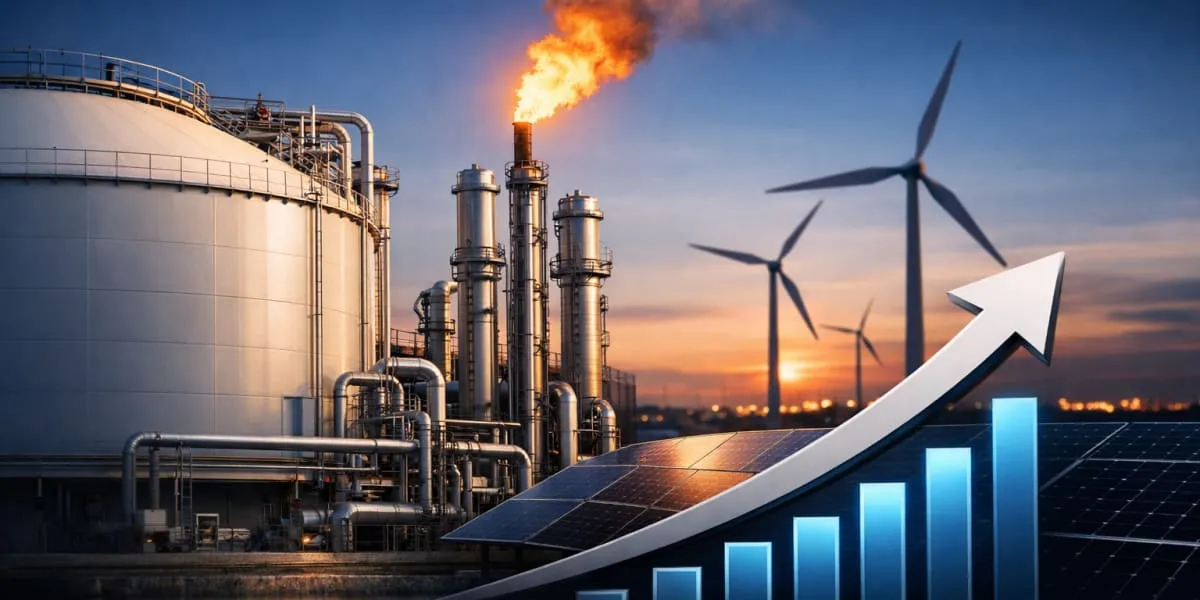
Shell India forecasts gas demand in India to rise by 50 per cent or more over the next decade, supporting reliability as solar and wind capacity expands and meeting industrial and residential needs alongside growing electricity consumption driven by artificial intelligence (AI). The company said India’s energy demand rose by nearly 40 per cent over the past decade and is expected to continue accelerating, with consumption projected to surpass that of the United States in the 2040s.

Natural gas and liquefied natural gas (LNG) are positioned as transition fuels to support grid stability amid expanding solar and wind capacity, meet industrial and residential demand and serve growing power needs from digital infrastructure and data centres. The report envisaged renewables supplying 59 per cent or more of electricity by 2050, with low-carbon fuels playing a major role, particularly in hard-to-electrify sectors. It highlighted strong domestic bioenergy potential and policy support as drivers of future low-carbon fuel growth.

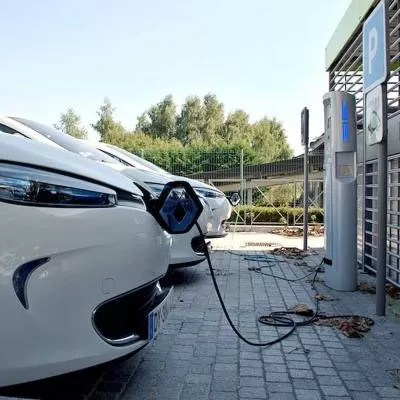
Transport electrification is expected to accelerate, with electric vehicle (EV) adoption rising across vehicle categories and reducing oil demand in long-term scenarios. The report estimated EVs displacing the equivalent of 41 per cent of oil demand in 2050 in Archipelagos, 53 per cent in Surge and 58 per cent in Horizon when compared with travel by internal combustion vehicles. The scenarios were described as reflecting divergence in geopolitics and economic models, with Archipelagos focused on security and self-reliance, Surge on AI-led growth and Horizon on climate-led rapid decarbonisation.

Buildings are expected to shift towards cleaner energy, with electrification and natural gas use expanding in residential sectors and a broad move away from traditional biomass. Energy use in commercial buildings was projected to rise two to four times across scenarios, driven by services and rapidly growing demand from data centres, underscoring the need for coordinated policy and investment to manage the transition.

Shell India forecasts gas demand in India to rise by 50 per cent or more over the next decade, supporting reliability as solar and wind capacity expands and meeting industrial and residential needs alongside growing electricity consumption driven by artificial intelligence (AI). The company said India’s energy demand rose by nearly 40 per cent over the past decade and is expected to continue accelerating, with consumption projected to surpass that of the United States in the 2040s. Natural gas and liquefied natural gas (LNG) are positioned as transition fuels to support grid stability amid expanding solar and wind capacity, meet industrial and residential demand and serve growing power needs from digital infrastructure and data centres. The report envisaged renewables supplying 59 per cent or more of electricity by 2050, with low-carbon fuels playing a major role, particularly in hard-to-electrify sectors. It highlighted strong domestic bioenergy potential and policy support as drivers of future low-carbon fuel growth. Transport electrification is expected to accelerate, with electric vehicle (EV) adoption rising across vehicle categories and reducing oil demand in long-term scenarios. The report estimated EVs displacing the equivalent of 41 per cent of oil demand in 2050 in Archipelagos, 53 per cent in Surge and 58 per cent in Horizon when compared with travel by internal combustion vehicles. The scenarios were described as reflecting divergence in geopolitics and economic models, with Archipelagos focused on security and self-reliance, Surge on AI-led growth and Horizon on climate-led rapid decarbonisation. Buildings are expected to shift towards cleaner energy, with electrification and natural gas use expanding in residential sectors and a broad move away from traditional biomass. Energy use in commercial buildings was projected to rise two to four times across scenarios, driven by services and rapidly growing demand from data centres, underscoring the need for coordinated policy and investment to manage the transition.

Next Story
Real Estate

Loomcraft Enters South India with Kerala Store Launch

Loomcraft has launched its exclusive store in Kerala, marking its entry into South India and a key step in its nationwide expansion strategy. The move targets a region driven by tourism and premium real estate demand, where outdoor spaces play a central role in hospitality and residential experiences.Kerala’s growing base of luxury resorts, boutique hotels, villas and gated communities has created strong demand for specialised outdoor furniture. However, the region has remained underserved, with buyers relying on imports or generic products not suited to humid, coastal and monsoon-heavy cond..

Next Story
Building Material

Mild Steel Prices Seen Rising to Rs 61,000 Per Tonne

Mild steel prices in India, currently around Rs 58,000 per tonne, are expected to rise to nearly Rs 61,000 per tonne in April, indicating an increase of about Rs 3,000 per tonne. The anticipated rise reflects structural pressures driven by geopolitical tensions, energy constraints and limited raw material availability.Ongoing global conflict has disrupted energy markets, leading to LNG shortages that are affecting domestic steel production. Small and mid-sized manufacturers, particularly those dependent on gas-based processes, are witnessing production cuts due to constrained energy supply, re..

Next Story
Infrastructure Urban

Vedanta Expands Transgender Workforce to 75 Employees

Vedanta has strengthened its commitment to workplace inclusion by employing 75 transgender individuals across its businesses, including Vedanta Aluminium, Hindustan Zinc, Sesa Goa, FACOR and Cairn Oil & Gas. The initiative reflects sustained hiring efforts since 2022 to build equitable opportunities across operations, corporate and technical roles.Transgender employees are engaged in functions such as operations, finance, logistics, HR, CSR, healthcare and security, with provisions for internal mobility to support career progression. The company has implemented structured policies, includi..

Advertisement

Subscribe to Our Newsletter

Get daily newsletters around different themes from Construction world.

STAY CONNECTED

Advertisement

Advertisement

Advertisement