Thyssenkrupp secures Indian Oil Corp contract for 60 KTPA Rubber Plant
OIL & GAS

Thyssenkrupp secures Indian Oil Corp contract for 60 KTPA Rubber Plant

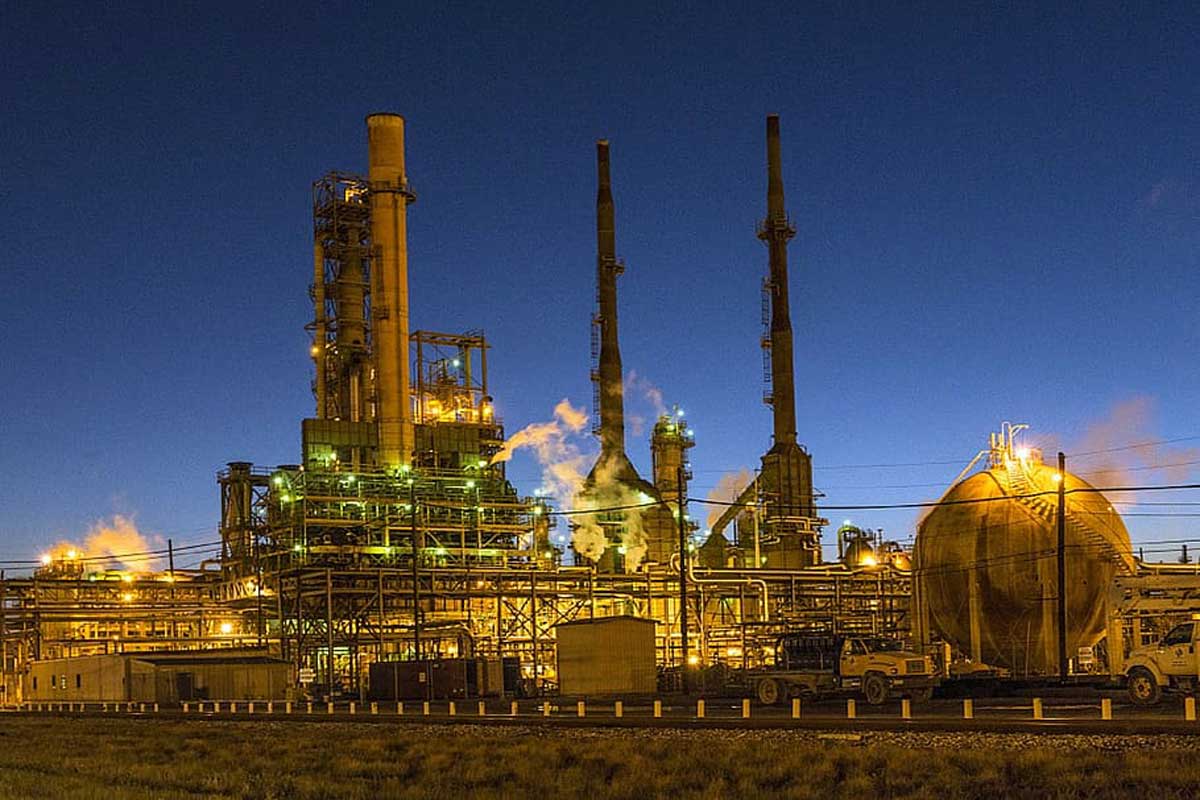
The Indian Oil Corporation (IOCL) has granted an EPC contract of over $ 100 Million to thyssenkrupp Industrial Solutions India (tkIS India) for the construction of a 60 KTPA Poly Butadiene Rubber Plant (PBR) at their Panipat Refinery & Petrochemical Complex in Haryana.

Polybutadiene rubber, which is produced through the polymerisation of butadiene, is used in the manufacturing of tires and additives. tkIS India, having experience in the implementation of various refinery and petrochemical projects, will carry out this project on an LSTK basis, utilizing technology from a reputable licensor.

The lump-sum EPC scope encompasses residual process engineering, detailed engineering, project management, procurement, construction, and plant commissioning.

Rajesh Kamath, the CEO and managing director of thyssenkrupp’s chemical plant business (thyssenkrupp Industrial Solutions) in India, expressed gratitude to IOCL for their continued trust and support in their capabilities. He stated, "tkIS India possesses extensive experience in executing petrochemical and refinery projects. This contract serves as evidence of our organization's engineering expertise, and we are determined to successfully complete it."

tkIS India has previously executed numerous refinery and petrochemical projects for IOCL across multiple refineries. In addition to ongoing contracts following the EPCM and PMC models, tkIS India is also undertaking the n-Butanol project and the Catalytic Dewaxing Project on an EPC basis for IOCL's Gujarat Refinery.

Also read:
Hild Electric bags NTPC order for alkaline electrolysers
FIVE becomes first hotel to obtain i-RECs in UAE


The Indian Oil Corporation (IOCL) has granted an EPC contract of over $ 100 Million to thyssenkrupp Industrial Solutions India (tkIS India) for the construction of a 60 KTPA Poly Butadiene Rubber Plant (PBR) at their Panipat Refinery & Petrochemical Complex in Haryana. Polybutadiene rubber, which is produced through the polymerisation of butadiene, is used in the manufacturing of tires and additives. tkIS India, having experience in the implementation of various refinery and petrochemical projects, will carry out this project on an LSTK basis, utilizing technology from a reputable licensor. The lump-sum EPC scope encompasses residual process engineering, detailed engineering, project management, procurement, construction, and plant commissioning. Rajesh Kamath, the CEO and managing director of thyssenkrupp’s chemical plant business (thyssenkrupp Industrial Solutions) in India, expressed gratitude to IOCL for their continued trust and support in their capabilities. He stated, tkIS India possesses extensive experience in executing petrochemical and refinery projects. This contract serves as evidence of our organization's engineering expertise, and we are determined to successfully complete it. tkIS India has previously executed numerous refinery and petrochemical projects for IOCL across multiple refineries. In addition to ongoing contracts following the EPCM and PMC models, tkIS India is also undertaking the n-Butanol project and the Catalytic Dewaxing Project on an EPC basis for IOCL's Gujarat Refinery. Also read: Hild Electric bags NTPC order for alkaline electrolysers FIVE becomes first hotel to obtain i-RECs in UAE

Next Story
Infrastructure Transport

Railways Boosts Cyber Security And Fairness In Ticket Bookings

Indian Railways has said its reservation ticketing system is a robust and highly secure IT platform equipped with state-of-the-art cyber security measures. The national transporter has introduced several initiatives to enhance system performance and improve access to regular and tatkal tickets. A key step has been the large-scale revalidation and verification of user accounts. Since January 2025, around 30.2 million suspicious user IDs have been deactivated. Anti-bot tools such as Akamai have been deployed to filter non-genuine users, ensuring smoother booking for legitimate passengers. To c..

Next Story
Infrastructure Transport

Indian Railways Speeds Up Green Transition With Wider Electrification

Indian Railways is accelerating its modernisation drive by upgrading infrastructure and rolling stock with advanced technologies aimed at enhancing safety, punctuality, reliability and passenger comfort. A major focus of this effort is the transition to cleaner traction systems, with a significant reduction in the use of coal-based and diesel engines. Electrification has been taken up in mission mode. As of now, 99.2 per cent of the Broad Gauge (BG) network has been electrified, with the remaining routes under execution. During 2014–25, Railways electrified 46,900 route kilometres, compared..

Next Story
Infrastructure Energy

Centre Strengthens Cybersecurity Framework Across India’s Power Sector

The POWERGRID Centre of Excellence (CoE) in Cybersecurity has been established at the Indian Institute of Science (IISc), Bengaluru to advance research and development in cybersecurity for power grid operations and transmission systems. The initiative is part of India’s broader effort to build a resilient and secure power ecosystem. To strengthen cyber readiness across the sector, the Central Electricity Authority (CEA) issued the Cyber Security in Power Sector Guidelines, 2021, creating a comprehensive cyber assurance framework and governance structure for all power entities. Further, the ..

Advertisement

Subscribe to Our Newsletter

Get daily newsletters around different themes from Construction world.

STAY CONNECTED

Advertisement

Advertisement

Advertisement

Advertisement

Open In App