UP to create 2,600 km transmission network for green energy corridor
POWER & RENEWABLE ENERGY

UP to create 2,600 km transmission network for green energy corridor

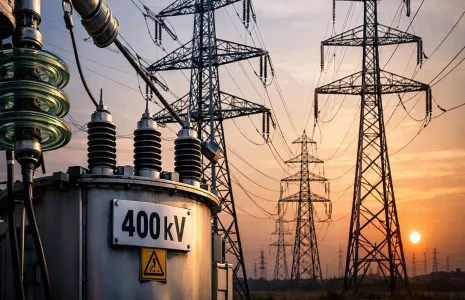
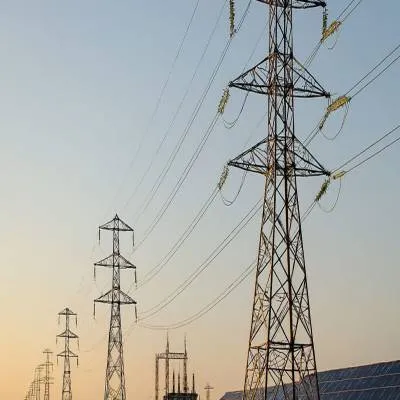
Uttar Pradesh to create a transmission network of 2,600 km which will cost over Rs 5,000 crore for the green energy corridor (GEC).

The transmission network is set up for evacuation of the upcoming solar power from the Bundelkhand ultra-mega solar parks along with other regions and inject them into the grid.

Green energy corridors are currently being established in India in two different phases, the transmission corridor’s second phase will supply renewable energy of 20 GW to the national grid. This would be supplied from Himachal Pradesh, Gujarat, Rajasthan, Kerala, Karnataka, Tamil Nadu, and Uttar Pradesh. Previously Uttar Pradesh had no power projects under the Green Energy Corridor-I.

UP Transmission Corporation Limited (UPPTCL) Managing Director, P Guru Prasad told the media that they will establish 27 substations of 15280 MVA capacity that will be connected to a transmission circuit (Lines) of 2632 km in two phases. The period for executing the first and major phase is the financial year 2022-23 to 2024-25 and the second phase shall begin in the financial year 2023-24 and end in 2025-26.

According to the MD, the detailed project report (DPR) cost of the scheme is Rs 5011.47 crore and the Center has already approved the DPR in January.

Guruprasad said that the scheme has central financial assistance via a capital grant of 33% and state government support of 20% and the remaining 47% will be borrowed from a German bank under Indo-German Cooperation- KFW. He added that the loan agreement was already signed with the KFW in December 2021.

Image Source

Also read: India adds record 1.7 GW solar rooftop capacity in 2021

Uttar Pradesh to create a transmission network of 2,600 km which will cost over Rs 5,000 crore for the green energy corridor (GEC). The transmission network is set up for evacuation of the upcoming solar power from the Bundelkhand ultra-mega solar parks along with other regions and inject them into the grid. Green energy corridors are currently being established in India in two different phases, the transmission corridor’s second phase will supply renewable energy of 20 GW to the national grid. This would be supplied from Himachal Pradesh, Gujarat, Rajasthan, Kerala, Karnataka, Tamil Nadu, and Uttar Pradesh. Previously Uttar Pradesh had no power projects under the Green Energy Corridor-I. UP Transmission Corporation Limited (UPPTCL) Managing Director, P Guru Prasad told the media that they will establish 27 substations of 15280 MVA capacity that will be connected to a transmission circuit (Lines) of 2632 km in two phases. The period for executing the first and major phase is the financial year 2022-23 to 2024-25 and the second phase shall begin in the financial year 2023-24 and end in 2025-26. According to the MD, the detailed project report (DPR) cost of the scheme is Rs 5011.47 crore and the Center has already approved the DPR in January. Guruprasad said that the scheme has central financial assistance via a capital grant of 33% and state government support of 20% and the remaining 47% will be borrowed from a German bank under Indo-German Cooperation- KFW. He added that the loan agreement was already signed with the KFW in December 2021. Image Source Also read: India adds record 1.7 GW solar rooftop capacity in 2021

Next Story
Infrastructure Transport

India Becomes First to Produce Bio-Bitumen for Roads

India has become the first country in the world to commercially produce bio-bitumen for use in road construction, according to Road, Transport and Highways Minister Nitin Gadkari. Bitumen, a black and viscous hydrocarbon derived from crude oil, is a key binding material in road building, and the bio-based alternative is expected to significantly improve the sector’s environmental footprint.Addressing the CSIR Technology Transfer Ceremony in New Delhi, Mr Gadkari congratulated Council of Scientific and Industrial Research on achieving the milestone, noting that the initiative would help curb ..

Next Story
Infrastructure Urban

HILT Policy Seen Boosting Telangana Revenue Sharply

The Hyderabad Industrial Land Transformation (HILT) Policy is expected to generate around Rs 1.08 billion in revenue for the Telangana state exchequer, according to Deputy Chief Minister Bhatti Vikramarka Mallu. Speaking in the Telangana Legislative Assembly, he said the policy would be implemented within a six-month timeframe in a transparent manner, with uniform rules applicable to all stakeholders. Mr Vikramarka noted that without the HILT Policy, the state would have earned only about Rs 1.2 million per acre. Under the new framework, however, revenue is projected to rise sharply to Rs 70 ..

Next Story
Infrastructure Urban

India Post, MoRD Tie Up to Boost Rural Inclusion

The Department of Posts and the Ministry of Rural Development have signed a Memorandum of Understanding to accelerate rural transformation and expand financial, digital and logistics services for Self-Help Groups (SHGs) and rural households across India. The agreement was signed in the presence of Union Minister of Communications and Development of North Eastern Region Jyotiraditya M. Scindia and Union Minister of Rural Development and Agriculture and Farmers’ Welfare Shivraj Singh Chouhan. The collaboration aligns with the government’s “Dak Sewa, Jan Sewa” vision and seeks to repositi..

Advertisement

Subscribe to Our Newsletter

Get daily newsletters around different themes from Construction world.

STAY CONNECTED

Advertisement

Advertisement

Advertisement

Advertisement

Open In App