ADB To Invest USD 70 bn In Asia Power Grids And Digital Networks
POWER & RENEWABLE ENERGY

ADB To Invest USD 70 bn In Asia Power Grids And Digital Networks
The Asian Development Bank announced a major investment initiative mobilising United States dollar (USD 70 billion (bn)) to expand energy and digital infrastructure across Asia and the Pacific by 2035. The bank's president said energy and digital access will play a defining role in shaping the region's future and that the initiatives are intended to link power grids and digital networks to lower costs and expand opportunities. The plan was unveiled at the bank's 59th annual meeting.

The programme comprises two large schemes, the Pan-Asia Power Grid Initiative and the Asia-Pacific Digital Highway, proposed at USD 50 bn and USD 20 bn respectively. Under the power grid initiative the bank will work with governments and private stakeholders to develop cross-border electricity infrastructure including transmission lines, substations, storage systems and grid modernisation. The programme aims to integrate around 20 gigawatt of renewable energy, build 22,000 circuit-km of transmission lines and improve electricity access for 200 million (mn) people by 2035.

The initiative is expected to create about 840,000 jobs and to reduce regional power sector emissions by 15 per cent, with the bank indicating it will finance nearly half of the programme from its own resources while mobilising the remainder through co-financing. Officials described the effort as a shift towards a more integrated regional approach to energy trade, building on cooperation frameworks such as the ASEAN power grid and the Central Asia Regional Economic Cooperation energy strategy.

The digital highway will focus on expanding connectivity through investments in fibre networks, satellite links and data centres alongside policy support and skills development. It seeks first-time broadband access for 200 million (mn) people and improved connectivity for another 450 million (mn) by 2035, with cost reductions in remote areas of around 40 per cent and an estimated four million (mn) jobs. The bank plans to contribute USD 15 bn and to raise USD 5 bn through partnerships, and a new centre for artificial intelligence innovation in Seoul will support responsible adoption and train about three million (mn) people in digital and AI-related skills.

The Asian Development Bank announced a major investment initiative mobilising United States dollar (USD 70 billion (bn)) to expand energy and digital infrastructure across Asia and the Pacific by 2035. The bank's president said energy and digital access will play a defining role in shaping the region's future and that the initiatives are intended to link power grids and digital networks to lower costs and expand opportunities. The plan was unveiled at the bank's 59th annual meeting. The programme comprises two large schemes, the Pan-Asia Power Grid Initiative and the Asia-Pacific Digital Highway, proposed at USD 50 bn and USD 20 bn respectively. Under the power grid initiative the bank will work with governments and private stakeholders to develop cross-border electricity infrastructure including transmission lines, substations, storage systems and grid modernisation. The programme aims to integrate around 20 gigawatt of renewable energy, build 22,000 circuit-km of transmission lines and improve electricity access for 200 million (mn) people by 2035. The initiative is expected to create about 840,000 jobs and to reduce regional power sector emissions by 15 per cent, with the bank indicating it will finance nearly half of the programme from its own resources while mobilising the remainder through co-financing. Officials described the effort as a shift towards a more integrated regional approach to energy trade, building on cooperation frameworks such as the ASEAN power grid and the Central Asia Regional Economic Cooperation energy strategy. The digital highway will focus on expanding connectivity through investments in fibre networks, satellite links and data centres alongside policy support and skills development. It seeks first-time broadband access for 200 million (mn) people and improved connectivity for another 450 million (mn) by 2035, with cost reductions in remote areas of around 40 per cent and an estimated four million (mn) jobs. The bank plans to contribute USD 15 bn and to raise USD 5 bn through partnerships, and a new centre for artificial intelligence innovation in Seoul will support responsible adoption and train about three million (mn) people in digital and AI-related skills.

Next Story
Infrastructure Transport

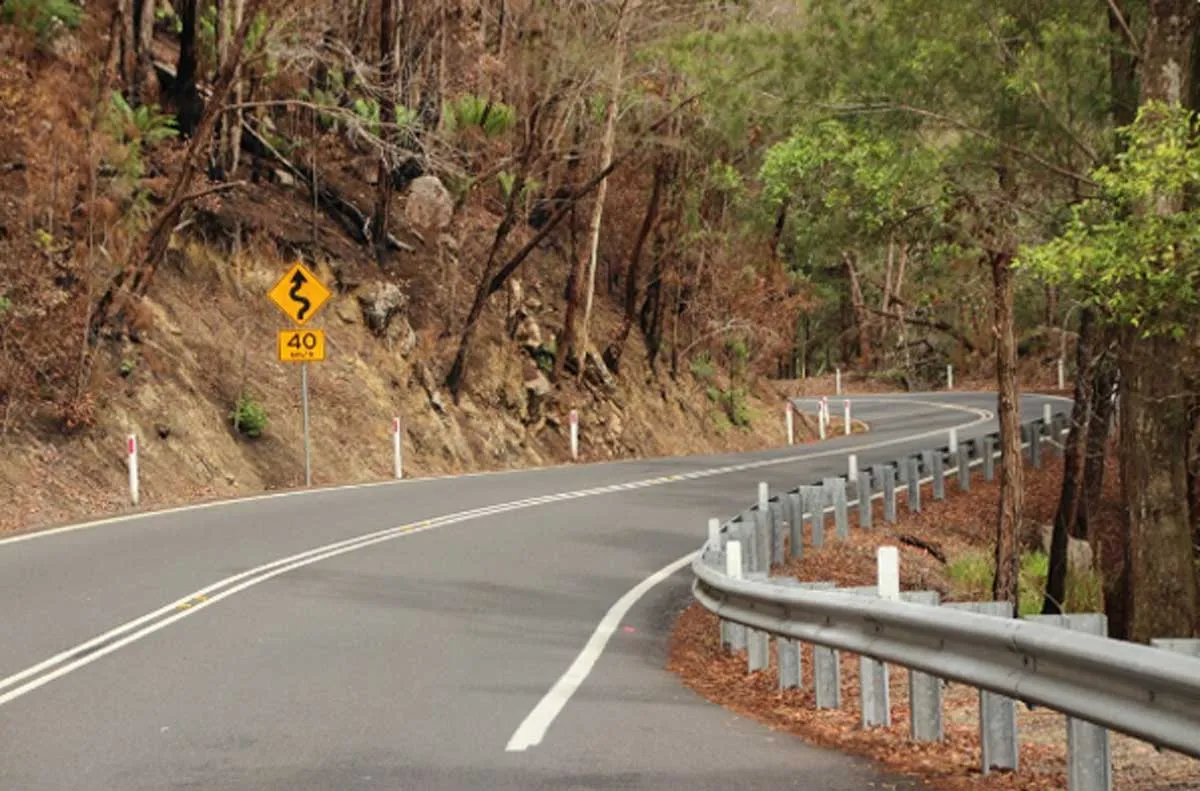
Pune To Build Nine Km Link Road Between Highways

The Pune Municipal Corporation (PMC) has decided to appoint an expert to plan the development of a nine km long, 60 metre wide road from Khadi Machine chowk to Wadki chowk as an extension to the Katraj-Kondhwa road to link the Mumbai-Satara and Pune-Solapur national highways. The scheme is intended to divert heavy vehicle traffic away from the city and improve access between the two arterial routes. The project has been prioritised by the PMC and forms part of a larger set of schemes in which 19 roads have been identified for development at a combined cost of Rs 9.82 billion (bn) to address c..
Next Story
Infrastructure Transport

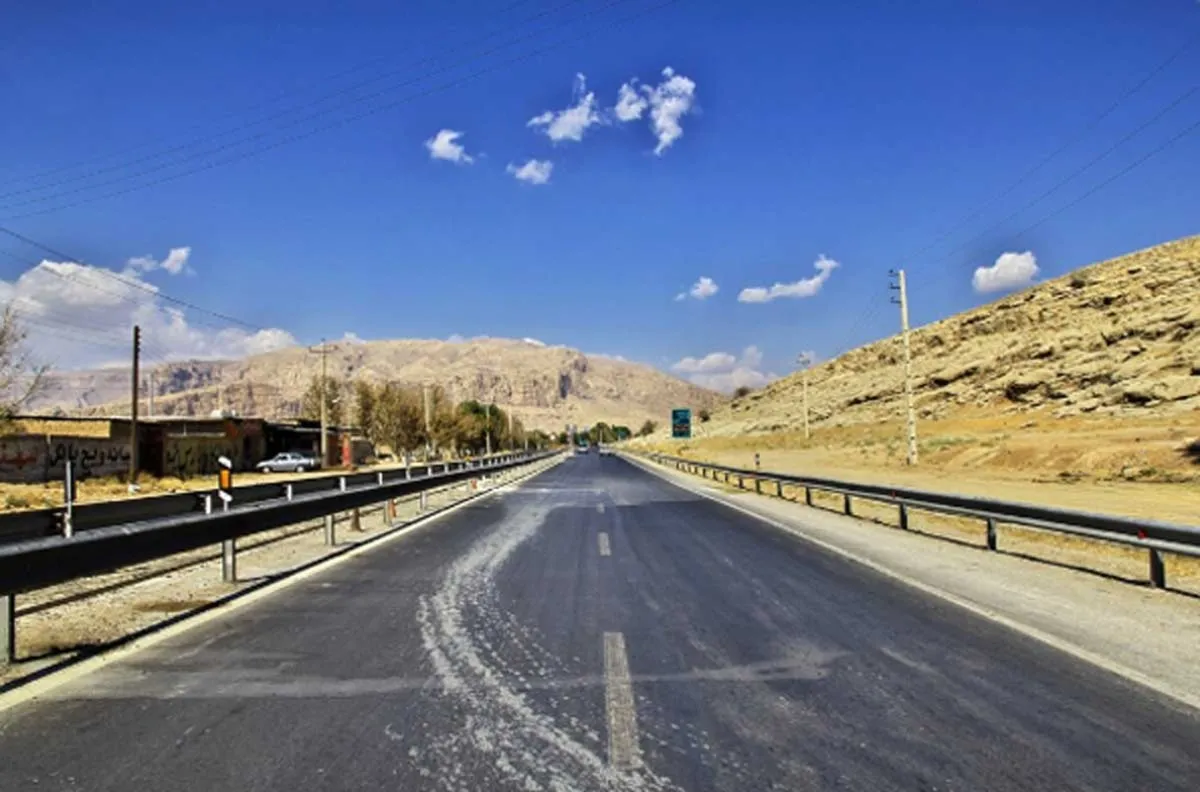
Barabanki Bahraich Six Lane Highway Approved in Uttar Pradesh

The Uttar Pradesh government has approved construction of a new six-lane highway linking Barabanki and Bahraich as part of National Highway 927, and the cabinet has cleared the project. The alignment will pass through Mustafabad and Kaiserganj and extend for about 101.5 km, creating a key corridor for local and long-distance movement. The National Highways Authority of India will oversee the work and has signalled the scheme is intended to strengthen regional connectivity and cross-border access to Nepal. The project carries an estimated total cost of Rs 69,690 million, equivalent to Rs 69.69..
Next Story
Infrastructure Transport

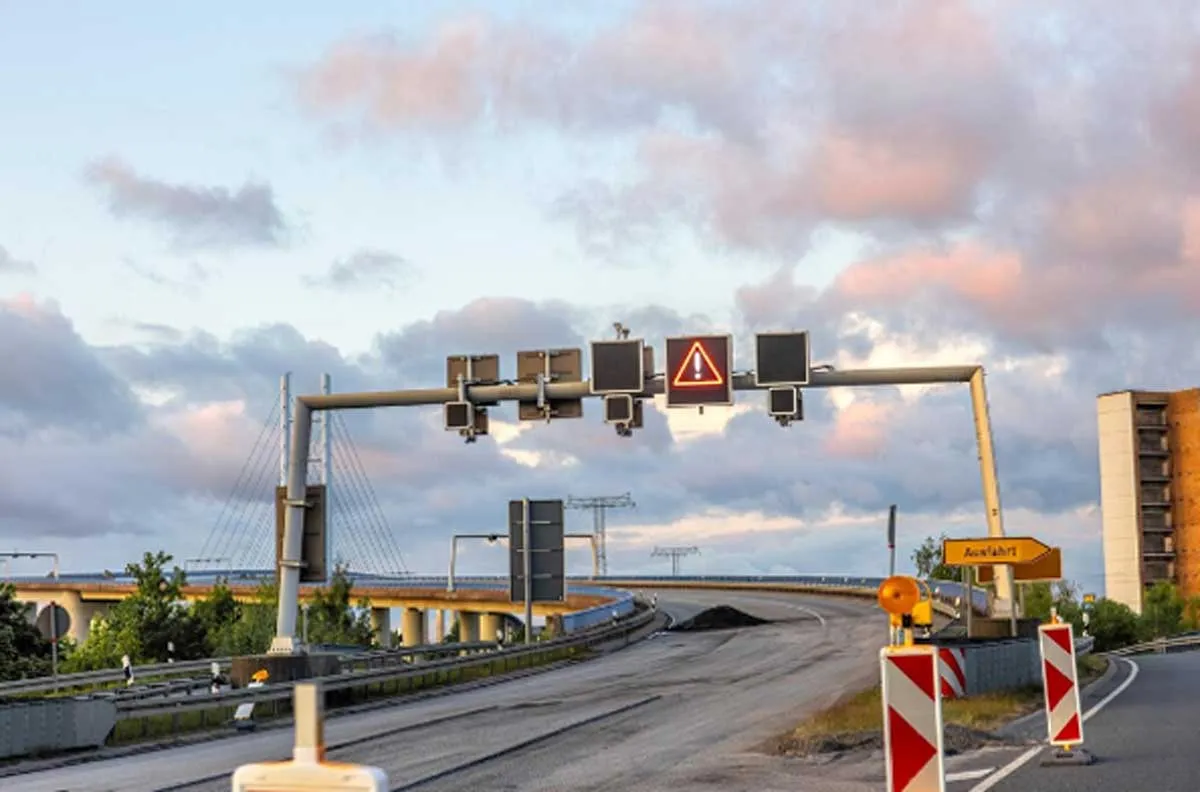
Toll At Kharegaon Likely As Highway Upgrade Nears Completion

A section of the highway at Kharegaon has undergone an upgrade and is approaching completion, and authorities have indicated plans for a toll to be introduced once works finish. The project has focused on strengthening the carriageway, improving drainage and upgrading intersections to enhance safety and capacity. Officials have said the toll will be used to recover construction costs and fund ongoing maintenance. The upgrade included resurfacing of the pavement, widening of certain stretches and installation of modern signage and lighting to reduce accident risk. Contractors completed most ma..

Advertisement

Subscribe to Our Newsletter

Get daily newsletters around different themes from Construction world.

STAY CONNECTED

Advertisement

Advertisement

Advertisement