Aequs SEZ Nears Complete Green Power Adoption
POWER & RENEWABLE ENERGY

Aequs SEZ Nears Complete Green Power Adoption

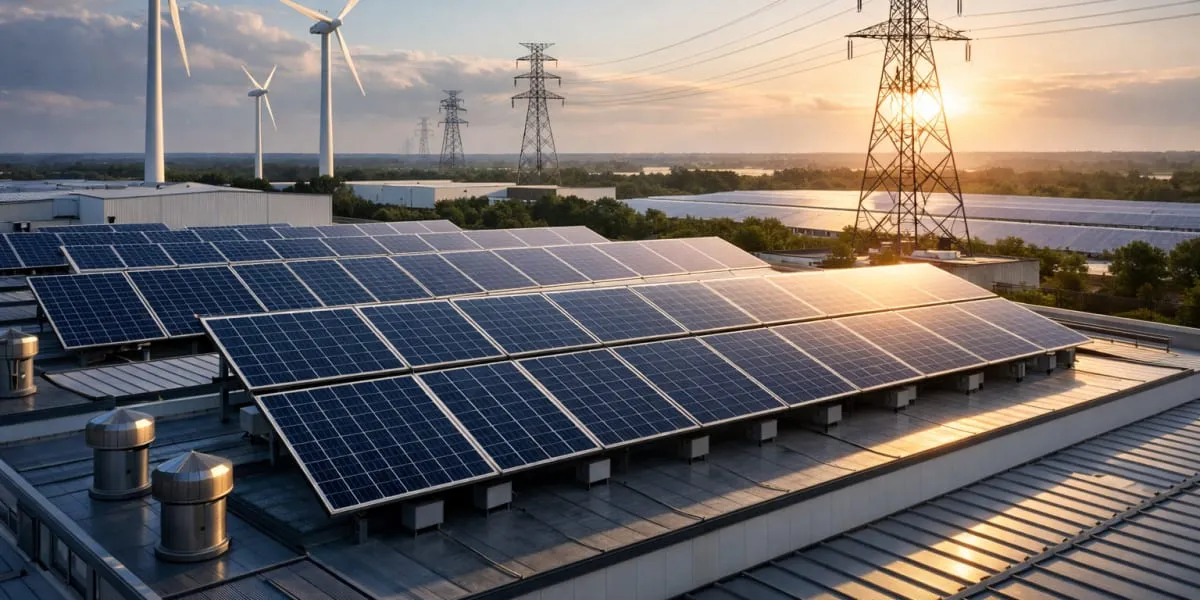
Aequs Infra's Belagavi special economic zone has moved close to complete renewable energy adoption for on-site industrial operations. Energy requirements within the cluster are met through a combination of rooftop solar installations, open access renewable energy procured from third-party providers and green power supplied by the state electricity board. The integrated approach has enabled the campus to sustain operational reliability while advancing environmental objectives.

The licensed power distribution network within the campus supports stable energy delivery and creates economic benefits for customers. The company estimates manufacturers within the cluster realise cost savings of more than 30 per cent compared with conventional industrial setups. Operators also benefit from system resilience and predictable supply arrangements that support production continuity.

The cluster model is designed to reduce the carbon footprint by bringing multiple stages of manufacturing into a single location. The ecosystem shortens the movement of aerospace components from distances that can typically exceed 5,000 kilometres to less than 500 metres within the campus, markedly lowering transport emissions and lead times. This integrated layout also improves supply chain efficiency and supports precision engineering workflows.

Aequs is applying the same sustainability principles across other industrial developments, including the durables goods cluster in Hubballi and the toy cluster in Koppal, reflecting a broader strategy for green industrialisation. The Belagavi Aerospace Cluster, India's first notified precision engineering and aerospace cluster, has become a key manufacturing hub for aerospace components and systems. The company considers integrated industrial ecosystems powered by renewable energy as a way to advance manufacturing growth and sustainability goals. The achievement underscores growing industry demand for infrastructure that combines environmental performance with cost competitiveness and operational reliability.

Aequs Infra's Belagavi special economic zone has moved close to complete renewable energy adoption for on-site industrial operations. Energy requirements within the cluster are met through a combination of rooftop solar installations, open access renewable energy procured from third-party providers and green power supplied by the state electricity board. The integrated approach has enabled the campus to sustain operational reliability while advancing environmental objectives. The licensed power distribution network within the campus supports stable energy delivery and creates economic benefits for customers. The company estimates manufacturers within the cluster realise cost savings of more than 30 per cent compared with conventional industrial setups. Operators also benefit from system resilience and predictable supply arrangements that support production continuity. The cluster model is designed to reduce the carbon footprint by bringing multiple stages of manufacturing into a single location. The ecosystem shortens the movement of aerospace components from distances that can typically exceed 5,000 kilometres to less than 500 metres within the campus, markedly lowering transport emissions and lead times. This integrated layout also improves supply chain efficiency and supports precision engineering workflows. Aequs is applying the same sustainability principles across other industrial developments, including the durables goods cluster in Hubballi and the toy cluster in Koppal, reflecting a broader strategy for green industrialisation. The Belagavi Aerospace Cluster, India's first notified precision engineering and aerospace cluster, has become a key manufacturing hub for aerospace components and systems. The company considers integrated industrial ecosystems powered by renewable energy as a way to advance manufacturing growth and sustainability goals. The achievement underscores growing industry demand for infrastructure that combines environmental performance with cost competitiveness and operational reliability.

Next Story
Infrastructure Urban

Smartworks Leases Over 400 Seats In Mumbai To Japanese NBFC Subsidiary

Smartworks has leased over 400 seats at its Mumbai centre to a subsidiary of a Japanese non-bank finance company in a Rs 350 million (mn) transaction. The company said the agreement covers managed office space designed to support the tenant's India operations and will strengthen its presence in the city. The deal was presented as part of Smartworks' strategy to grow its enterprise client base. The leased seating forms part of a larger workplace solution that combines private offices and flexible seating tailored to financial services clients. Smartworks noted that demand from the banking, fina..

Advertisement

Subscribe to Our Newsletter

Get daily newsletters around different themes from Construction world.

STAY CONNECTED

Advertisement

Advertisement

Advertisement