AGEL Launches 250 MW Wind Power at Khavda's Mega Plant
POWER & RENEWABLE ENERGY

AGEL Launches 250 MW Wind Power at Khavda's Mega Plant

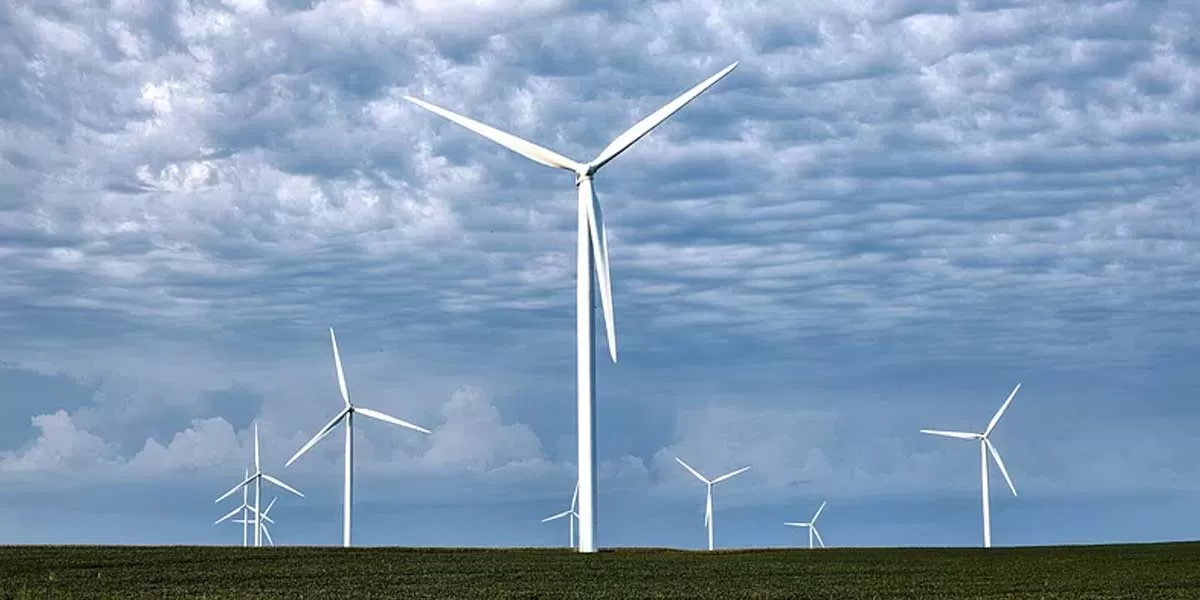
AdGreen Energy Limited (AGEL) has successfully operationalized its first 250 MW wind capacity at the Khavda Renewable Energy Plant, the world's largest renewable energy project, situated in Gujarat. This milestone brings the total operational capacity at the site to 2,250 MW, further solidifying AGEL's leadership in India's renewable energy sector with a total operational portfolio of 11,184 MW across the country.

Wind energy is integral to India's energy mix, complementing solar power generation and ensuring a consistent supply of renewable energy. The Khavda plant benefits from optimal wind resources, with average speeds of around 8 meters per second, making it a prime location for wind generation.

The facility boasts advanced 5.2 MW wind turbine generators (WTGs) manufactured using German technology, enabling efficient land use and reducing the levelized cost of energy (LCOE). These WTGs, with a rotor diameter of 160 meters, are equivalent in height to the Statue of Unity.

AGEL' Spanning 538 sq km?five times the size of Paris?the Khavda plant is set to become the largest power plant globally, regardless of energy source, contributing to India?s decarbonization efforts. The project has included significant infrastructure development, such as roads, drainage systems, and residential facilities for staff, emphasizing AGEL?s commitment to community development and environmental, social, and governance (ESG) initiatives.

AdGreen Energy Limited (AGEL) has successfully operationalized its first 250 MW wind capacity at the Khavda Renewable Energy Plant, the world's largest renewable energy project, situated in Gujarat. This milestone brings the total operational capacity at the site to 2,250 MW, further solidifying AGEL's leadership in India's renewable energy sector with a total operational portfolio of 11,184 MW across the country. Wind energy is integral to India's energy mix, complementing solar power generation and ensuring a consistent supply of renewable energy. The Khavda plant benefits from optimal wind resources, with average speeds of around 8 meters per second, making it a prime location for wind generation. The facility boasts advanced 5.2 MW wind turbine generators (WTGs) manufactured using German technology, enabling efficient land use and reducing the levelized cost of energy (LCOE). These WTGs, with a rotor diameter of 160 meters, are equivalent in height to the Statue of Unity. AGEL' Spanning 538 sq km?five times the size of Paris?the Khavda plant is set to become the largest power plant globally, regardless of energy source, contributing to India?s decarbonization efforts. The project has included significant infrastructure development, such as roads, drainage systems, and residential facilities for staff, emphasizing AGEL?s commitment to community development and environmental, social, and governance (ESG) initiatives.

Next Story
Infrastructure Transport

India Becomes First to Produce Bio-Bitumen for Roads

India has become the first country in the world to commercially produce bio-bitumen for use in road construction, according to Road, Transport and Highways Minister Nitin Gadkari. Bitumen, a black and viscous hydrocarbon derived from crude oil, is a key binding material in road building, and the bio-based alternative is expected to significantly improve the sector’s environmental footprint.Addressing the CSIR Technology Transfer Ceremony in New Delhi, Mr Gadkari congratulated Council of Scientific and Industrial Research on achieving the milestone, noting that the initiative would help curb ..

Next Story
Infrastructure Urban

HILT Policy Seen Boosting Telangana Revenue Sharply

The Hyderabad Industrial Land Transformation (HILT) Policy is expected to generate around Rs 1.08 billion in revenue for the Telangana state exchequer, according to Deputy Chief Minister Bhatti Vikramarka Mallu. Speaking in the Telangana Legislative Assembly, he said the policy would be implemented within a six-month timeframe in a transparent manner, with uniform rules applicable to all stakeholders. Mr Vikramarka noted that without the HILT Policy, the state would have earned only about Rs 1.2 million per acre. Under the new framework, however, revenue is projected to rise sharply to Rs 70 ..

Next Story
Infrastructure Urban

India Post, MoRD Tie Up to Boost Rural Inclusion

The Department of Posts and the Ministry of Rural Development have signed a Memorandum of Understanding to accelerate rural transformation and expand financial, digital and logistics services for Self-Help Groups (SHGs) and rural households across India. The agreement was signed in the presence of Union Minister of Communications and Development of North Eastern Region Jyotiraditya M. Scindia and Union Minister of Rural Development and Agriculture and Farmers’ Welfare Shivraj Singh Chouhan. The collaboration aligns with the government’s “Dak Sewa, Jan Sewa” vision and seeks to repositi..

Advertisement

Subscribe to Our Newsletter

Get daily newsletters around different themes from Construction world.

STAY CONNECTED

Advertisement

Advertisement

Advertisement

Advertisement

Open In App