



Ban on Coal usage in NCR from Jan 2023
POWER & RENEWABLE ENERGY

Ban on Coal usage in NCR from Jan 2023

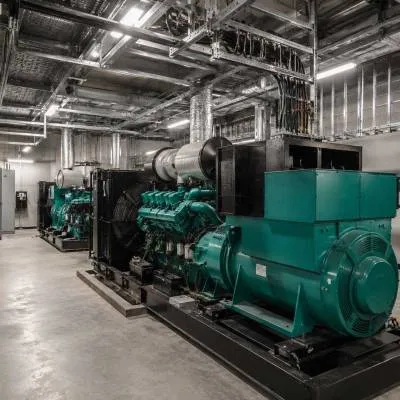
Industries in Delhi are authorised to run only on PNG or electricity. As per the Delhi government, NCR’s 1,607 registered industrial units have switched to PNG.

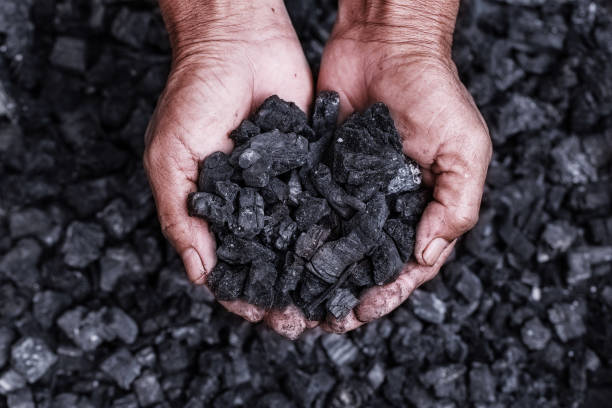
According to the Commission for Air Quality Management (CAQM), the use of coal as a fuel would be banned in the National Capital Region (NCR) from January 1, 2023.

Regions where infrastructure for and supply of piped natural gas (PNG) is available, the ban will be enforced from October 1, 2022, a CAQM statement said on Wednesday.

Since the concerns of air pollution are uniform in the NCR from the common airshed approach for NCR and adjoining areas, the Commission decided to phase out coal consumption as a fuel from the entire NCR in industrial, domestic as well as miscellaneous applications, aiming for improved air quality in the region.

About 1.7 million tonne of coal is used in industries in the NCR on a yearly basis, as per CAQM. The commission issued multiple directions to the governments in the NCR to inform industries to switch to PNG.

In August 2021, the CAQM noted that out of 1,469, 408 industrial units identified for transferring to gas made the switch in the NCR districts of Haryana. In the NCR districts of UP, 1,161 industrial units out of 2,273 shifted to gas and 124 units out of 436 in the NCR, Rajasthan shifted to gas. The state governments have been directed to prepare a plan having a timeline to switch all the identified industrial units to PNG.

Image Source

Industries in Delhi are authorised to run only on PNG or electricity. As per the Delhi government, NCR’s 1,607 registered industrial units have switched to PNG. According to the Commission for Air Quality Management (CAQM), the use of coal as a fuel would be banned in the National Capital Region (NCR) from January 1, 2023. Regions where infrastructure for and supply of piped natural gas (PNG) is available, the ban will be enforced from October 1, 2022, a CAQM statement said on Wednesday. Since the concerns of air pollution are uniform in the NCR from the common airshed approach for NCR and adjoining areas, the Commission decided to phase out coal consumption as a fuel from the entire NCR in industrial, domestic as well as miscellaneous applications, aiming for improved air quality in the region. About 1.7 million tonne of coal is used in industries in the NCR on a yearly basis, as per CAQM. The commission issued multiple directions to the governments in the NCR to inform industries to switch to PNG. In August 2021, the CAQM noted that out of 1,469, 408 industrial units identified for transferring to gas made the switch in the NCR districts of Haryana. In the NCR districts of UP, 1,161 industrial units out of 2,273 shifted to gas and 124 units out of 436 in the NCR, Rajasthan shifted to gas. The state governments have been directed to prepare a plan having a timeline to switch all the identified industrial units to PNG. Image Source

Related Stories

Gold Stories

Next Story
Infrastructure Urban

KONE Opens India's First Digital Experience Centre in Pune

KONE, a global elevator and escalator manufacturer, has inaugurated its first Digital Experience Centre (DEC) in India, located in Pune. The facility aims to showcase how artificial intelligence (AI), connectivity and data-driven technologies can enhance customer experiences and improve building operations.The centre was inaugurated by Jussi Herlin, Executive Vice Chair, KONE Corporation; Philippe Delorme, President and CEO, KONE; and Nandan Nilekani, Co-founder and Chairman of the Board, Infosys.Designed as an interactive customer environment, the facility demonstrates digital solutions cover..

Next Story
Infrastructure Urban

CII GreenCo Launches Circularity Guidelines for Indian Industry

The Confederation of Indian Industry (CII) GreenCo Council has launched the CII GreenCo Circularity Guidelines – Pilot Version at the 17th CII GreenCo Waste & Resource Management Summit 2026 in Chennai. The initiative aims to strengthen resource efficiency, waste reduction and circular economy practices across Indian manufacturing and process industries.The guidelines introduce a structured framework with circularity indices covering raw materials, consumables, packaging and other resource inputs. These indicators will help industries assess existing practices, identify opportunities to ..

Next Story
Infrastructure Energy

Global Electronics Association Launches IPC-1783-CO2E Standard

The Global Electronics Association has introduced IPC-1783-CO2E, a new international standard aimed at improving consistency, transparency and comparability in product carbon footprint reporting across the electronics manufacturing industry.The standard, titled International Standard for Data Collection and Reporting of CO2 Equivalent (CO2e) Emissions for the Electronics Manufacturing Supply Chain, provides industry-specific guidance for collecting, estimating and reporting carbon emissions data.With increasing regulatory requirements and customer expectations, electronics manufacturers face c..

Advertisement

Subscribe to Our Newsletter

Get daily newsletters around different themes from Construction world.

STAY CONNECTED

Advertisement

SPECIAL OFFER
QR Code