Bharat Petroleum floats tender for 15 MW solar, non-solar RE projects
POWER & RENEWABLE ENERGY

Bharat Petroleum floats tender for 15 MW solar, non-solar RE projects

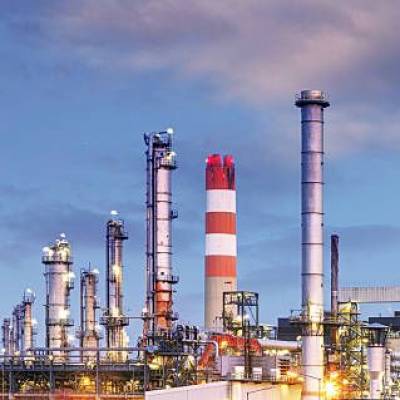
Bharat Petroleum Corporation (BPCL) has floated a tender to procure 15 MW of solar and non-solar renewable energy on a short-term open access basis for its refinery in Mahul, Mumbai.

The duty of the successful bidder would be to provide solar or non-solar renewable power to BPCL according to the terms of the power purchase agreement (PPA) and the bidding agreement.

The last date of presenting the tenders is 23 June 2021, and the pre-bid meeting will be on June 10.

The seller must bid for a minimum of 15 MW solar or non-solar renewable power on a round-the-clock basis with planned delivery from 1 July 2021. The agreement will be valid from July 1, 2021 to March 31, 2022. The estimated power to be obtained is approximately 98.64 million units.

According to the bidding documents, the seller is accountable for shifting solar or non-solar renewable power from the production source to the delivery location. Bharat Petroleum, in its role, will not be responsible for any problem associated with network restrictions, power production, and supply concerns at the seller’s end and before the point of delivery or any other problem until the contract is valid.

The tariff rated by the seller will be the basic rate per unit of electricity at the delivery location and will remain fixed for the complete duration of the contract. As mentioned in the PPA, the seller has to submit a bank guarantee within a week of signing the contract or issuing the letter of purpose.

The bank guarantee to be presented must be equivalent to Rs 0.45 per kWh for the renewable purchase obligation target corresponding to double the units calculated to be supplied through this agreement.

To join in the bidding process, the bidder should have the ability to provide the contract capacity at the delivery point on a round-the-clock basis from a solar or non-solar renewable power source. Alternatively, the bidder should possess and function generating units with an established capacity equivalent to at least double the contract capacity and supply the contract capacity to the company on a round-the-clock basis.

The bidder should provide the firm with renewable power for the entire contract period without any restriction for producing and supplying power to Bharat Petroleum.

If the bidder has its own approved capacity for solar and non-solar renewable power and excess capacity to provide up to 15 MW renewable power, he should reveal its commercial operation date and present the documents verifying that the project has convincingly provided at least 15 MW solar or non-solar renewable power on a round-the-clock basis for at least nine months since the past seven years.

If the bidder is a trading licensee and intends to supply power on a medium-term basis under a bilateral model, the trading licensee should have executed exclusive PPA for at least nine months per the bidding document.

If the bidder plans to supply energy on a medium-term basis under the group captive model, the bidder should guarantee that the generating units from which power is to be supplied are certified as a captive generating unit by the state electricity regulatory commission, where the unit is established. The bidder's net worth must be at least Rs 15 million per MW of the agreed capacity, which amounts to Rs 225 million in each of the last three years. The average annual turnover of the bidder for the past three financial years should not be less than Rs 106.2 million.

If the bidder aims to supply power under the group captive program, then the bidder has to join a tripartite investment agreement, which will be between Bharat Petroleum, the seller, and the promoters of the seller company.

Earlier, Bharat Petroleum had issued two bids to obtain renewable power through open access from solar and non-solar projects for its Mumbai refinery. The firm had floated the bids to acquire 26.35 million units from solar energy projects and 39.52 million units of non-solar renewable power on a short to medium-term basis.

Image Source


Also read: Indian Railways invites bids for 15 MW solar project with battery storage

Also read: Maharashtra to generate 17,385 MW from solar projects in five years

Bharat Petroleum Corporation (BPCL) has floated a tender to procure 15 MW of solar and non-solar renewable energy on a short-term open access basis for its refinery in Mahul, Mumbai. The duty of the successful bidder would be to provide solar or non-solar renewable power to BPCL according to the terms of the power purchase agreement (PPA) and the bidding agreement. The last date of presenting the tenders is 23 June 2021, and the pre-bid meeting will be on June 10. The seller must bid for a minimum of 15 MW solar or non-solar renewable power on a round-the-clock basis with planned delivery from 1 July 2021. The agreement will be valid from July 1, 2021 to March 31, 2022. The estimated power to be obtained is approximately 98.64 million units. According to the bidding documents, the seller is accountable for shifting solar or non-solar renewable power from the production source to the delivery location. Bharat Petroleum, in its role, will not be responsible for any problem associated with network restrictions, power production, and supply concerns at the seller’s end and before the point of delivery or any other problem until the contract is valid. The tariff rated by the seller will be the basic rate per unit of electricity at the delivery location and will remain fixed for the complete duration of the contract. As mentioned in the PPA, the seller has to submit a bank guarantee within a week of signing the contract or issuing the letter of purpose. The bank guarantee to be presented must be equivalent to Rs 0.45 per kWh for the renewable purchase obligation target corresponding to double the units calculated to be supplied through this agreement. To join in the bidding process, the bidder should have the ability to provide the contract capacity at the delivery point on a round-the-clock basis from a solar or non-solar renewable power source. Alternatively, the bidder should possess and function generating units with an established capacity equivalent to at least double the contract capacity and supply the contract capacity to the company on a round-the-clock basis. The bidder should provide the firm with renewable power for the entire contract period without any restriction for producing and supplying power to Bharat Petroleum. If the bidder has its own approved capacity for solar and non-solar renewable power and excess capacity to provide up to 15 MW renewable power, he should reveal its commercial operation date and present the documents verifying that the project has convincingly provided at least 15 MW solar or non-solar renewable power on a round-the-clock basis for at least nine months since the past seven years. If the bidder is a trading licensee and intends to supply power on a medium-term basis under a bilateral model, the trading licensee should have executed exclusive PPA for at least nine months per the bidding document. If the bidder plans to supply energy on a medium-term basis under the group captive model, the bidder should guarantee that the generating units from which power is to be supplied are certified as a captive generating unit by the state electricity regulatory commission, where the unit is established. The bidder's net worth must be at least Rs 15 million per MW of the agreed capacity, which amounts to Rs 225 million in each of the last three years. The average annual turnover of the bidder for the past three financial years should not be less than Rs 106.2 million. If the bidder aims to supply power under the group captive program, then the bidder has to join a tripartite investment agreement, which will be between Bharat Petroleum, the seller, and the promoters of the seller company. Earlier, Bharat Petroleum had issued two bids to obtain renewable power through open access from solar and non-solar projects for its Mumbai refinery. The firm had floated the bids to acquire 26.35 million units from solar energy projects and 39.52 million units of non-solar renewable power on a short to medium-term basis. Image Source Also read: Indian Railways invites bids for 15 MW solar project with battery storage Also read: Maharashtra to generate 17,385 MW from solar projects in five years

Next Story
Infrastructure Transport

Large Format Store Planned At M G Road Metro Station

M G Road station in Bengaluru is set to host the city’s first large-format commercial and experience space, with planning led by Bangalore Metro Rail Corporation Limited. BMRCL has invited proposals to develop and operate a central business district destination at the Purple?Pink Line interchange. The plan positions the station as a commercial hub designed to serve a broad commuter base across the city. The proposal is part of a broader effort to activate transit nodes commercially. Tender documents set a minimum monthly rental of Rs 0.944 million (mn), inclusive of GST, for the large-format..

Next Story
Infrastructure Energy

Government Cancels Auction Of Eleven Critical Mineral Blocks

The government has cancelled the auction of 11 critical and strategic mineral blocks after receiving a poor investor response and failing to attract a sufficient number of qualified bidders. The decision represents a setback to plans to ramp up domestic exploration and production of critical minerals amid global supply chain disruptions and rising demand for materials used in clean energy and advanced technologies. The mines ministry issued an annulment notice setting out the reasons for the cancellations. The annulment notice indicated that the auction process for five mineral blocks was canc..

Next Story
Infrastructure Energy

Gujarat Pushes Biogas Growth With 193 Operational Units

Gujarat has operationalised 193 biogas plants across the state and is planning to add 60 more units as part of a broader push to scale up clean and sustainable energy solutions. The existing plants, established under various government-supported schemes, process organic waste including cattle dung and agricultural residue to produce biogas and a nutrient-rich slurry. The output is mainly used for cooking and other energy needs in rural and semi-urban communities, while also improving local waste management practices. The Gujarat Energy Development Agency (GEDA) is leading the initiative and is..

Advertisement

Subscribe to Our Newsletter

Get daily newsletters around different themes from Construction world.

STAY CONNECTED

Advertisement

Advertisement

Advertisement