+
Germany Hits Record with 16.2 GW Solar Capacity Added in 2024
POWER & RENEWABLE ENERGY

Germany Hits Record with 16.2 GW Solar Capacity Added in 2024

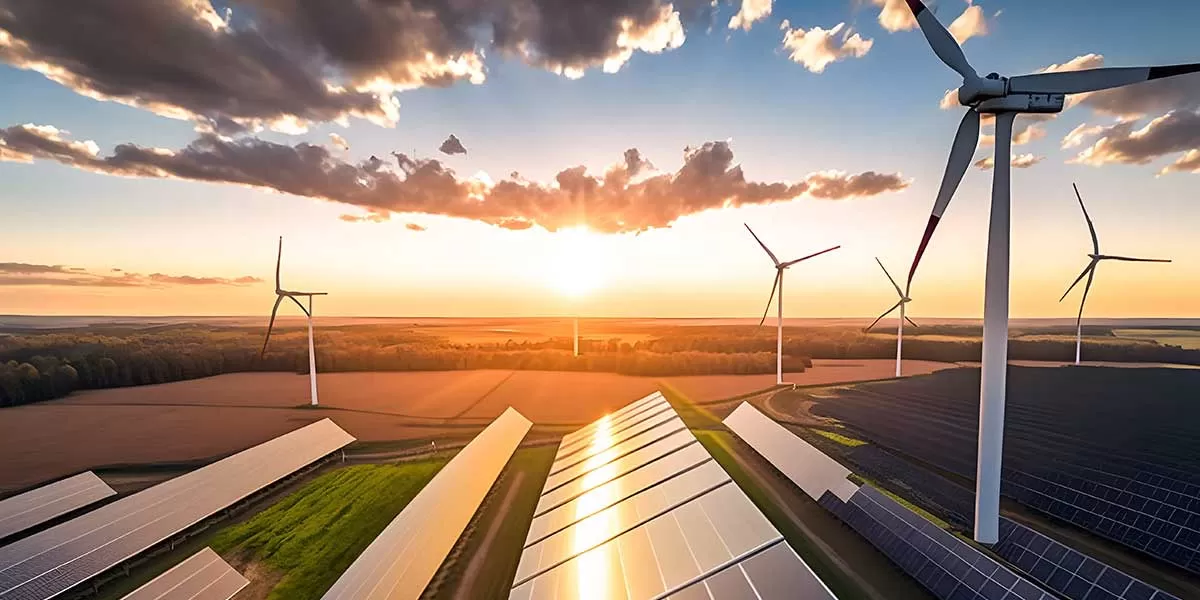
Germany added a remarkable 16,179 MW of new solar capacity in 2024, marking a 7 per cent growth year-over-year, as reported by the Federal Network Agency, Bundesnetzagentur. This addition represented the highest annual solar installations ever recorded in the country.

In 2023, Germany had added 14.2 GW of solar capacity, nearly doubling from 7.45 GW in 2022.

With this new capacity, Germany's total operational solar capacity reached 99.2 GW, surpassing the target of 88 GW set by the Renewable Energy Sources Act program for the end of 2024.

In the fourth quarter of 2024, Germany added 4.2 GW of solar capacity, with installations in October, November, and December totaling 1,649 MW, 1,084 MW, and 1,439 MW, respectively.

Of the total installations in Q4, 774.1 MW were unsubsidized, consisting of 702 MW of ground-mounted and 72.1 MW of rooftop solar systems.

Bavaria led the country with 3,943 MW of solar capacity added, followed by North Rhine-Westphalia with 2,130 MW, Baden-Wuerttemberg with 2,126 MW, Lower Saxony with 1,571 MW, and Brandenburg with 1,320 MW.

Mercom reported that Germany installed 3.4 GW of solar power capacity in Q3 2024, reflecting a 17 per cent year-over-year decrease from 4.1 GW. The monthly installations in July, August, and September were 1,519 MW, 906 MW, and 960 MW, respectively.

The Federal Network Agency also awarded contracts for 6,526 MW of ground-mounted solar projects and 779.4 MW of rooftop solar systems during the year.

Germany aims to reach 128 GW of solar capacity by 2026, 172 GW by 2028, and 215 GW by 2030, with a monthly solar installation target of 1,608 MW through 2030.

In August 2024, the Federal Network Agency invited bids for 258 MW of rooftop solar systems as part of the second phase of Germany’s target to procure 900 MW of solar systems through three rounds in 2024 under the Renewable Energy Act. Germany plans to tender 1,100 MW annually from 2025 to 2029.

Germany added a remarkable 16,179 MW of new solar capacity in 2024, marking a 7 per cent growth year-over-year, as reported by the Federal Network Agency, Bundesnetzagentur. This addition represented the highest annual solar installations ever recorded in the country. In 2023, Germany had added 14.2 GW of solar capacity, nearly doubling from 7.45 GW in 2022. With this new capacity, Germany's total operational solar capacity reached 99.2 GW, surpassing the target of 88 GW set by the Renewable Energy Sources Act program for the end of 2024. In the fourth quarter of 2024, Germany added 4.2 GW of solar capacity, with installations in October, November, and December totaling 1,649 MW, 1,084 MW, and 1,439 MW, respectively. Of the total installations in Q4, 774.1 MW were unsubsidized, consisting of 702 MW of ground-mounted and 72.1 MW of rooftop solar systems. Bavaria led the country with 3,943 MW of solar capacity added, followed by North Rhine-Westphalia with 2,130 MW, Baden-Wuerttemberg with 2,126 MW, Lower Saxony with 1,571 MW, and Brandenburg with 1,320 MW. Mercom reported that Germany installed 3.4 GW of solar power capacity in Q3 2024, reflecting a 17 per cent year-over-year decrease from 4.1 GW. The monthly installations in July, August, and September were 1,519 MW, 906 MW, and 960 MW, respectively. The Federal Network Agency also awarded contracts for 6,526 MW of ground-mounted solar projects and 779.4 MW of rooftop solar systems during the year. Germany aims to reach 128 GW of solar capacity by 2026, 172 GW by 2028, and 215 GW by 2030, with a monthly solar installation target of 1,608 MW through 2030. In August 2024, the Federal Network Agency invited bids for 258 MW of rooftop solar systems as part of the second phase of Germany’s target to procure 900 MW of solar systems through three rounds in 2024 under the Renewable Energy Act. Germany plans to tender 1,100 MW annually from 2025 to 2029.

Related Stories

Gold Stories

Next Story
Infrastructure Urban

Infrastructure Opportunity Outlook by IMPACCT.Info

India’s infrastructure pipeline is witnessing dynamic activity across stages — from immediate bidding to future planning. IMPACCT segments these into three categories: Immediate, 3–6 Month, and Future Opportunities, enabling businesses to identify, prepare, and participate in high-value tenders and projects across sectors.To read full article Click Here ..

Next Story
Real Estate

Glass, Reframed!

Glass façades, quintessential aesthetic building envelopes globally, have been widely adopted in India as well. But when the focus is high-performance building systems that deliver energy efficiency, comfort and architectural identity, glass isn’t the only preference. Combination solutions, involving glass and some other material, improve façade outcomes. Some combinations come at comparable prices, some at a higher price. Here is a selection of performance-oriented solutions...To read the full story Click Here ..

Next Story
Infrastructure Urban

Beyond Building Faster

India’s cities are expanding at an unprecedented pace, bringing new infrastructure and development opportunities while also intensifying challenges around mobility, public spaces, liveability and supporting infrastructure. The question, therefore, is not simply whether India can build faster, but whether it can build cities that work better.At a CW webinar, Are We Designing Better Cities – or Just Building Faster?, moderator Ar. Samir Shaikh, Founding Principal, AR&UD Studio, brought together perspectives from design, development, master planning and technology...To read the full artic..

Advertisement

Subscribe to Our Newsletter

Get daily newsletters around different themes from Construction world.

STAY CONNECTED

Advertisement

SPECIAL OFFER
QR Code