



+
GK Energy Expands Into Retail Rooftop Solar
POWER & RENEWABLE ENERGY

GK Energy Expands Into Retail Rooftop Solar

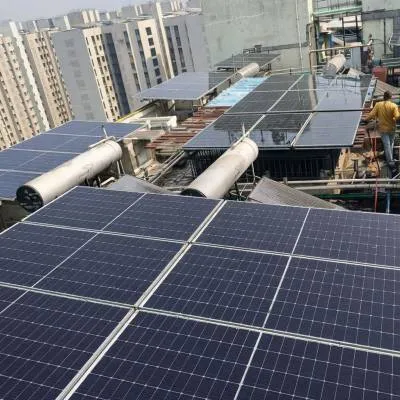
GK Energy has announced its expansion into the Retail Solar Rooftop System engineering, procurement and construction (EPC) segment, marking a shift from a product centric solar pump supplier to a solar EPC enterprise. The firm has been widely recognised for large scale solar pump installations under government and private programmes and said the rooftop initiative forms part of a deliberate long term diversification strategy to build a multi segment, scalable solar infrastructure business.

The company's entry coincides with the Union Budget's enhanced renewable allocation for PM Surya Ghar Muft Bijli Yojana, which increased from Rs 170 billion (bn) to Rs 220 billion (bn). This policy support is expected to accelerate rooftop solar adoption across residential, commercial and industrial sectors, creating a stronger demand environment. Entering the retail rooftop segment at this inflection point allows GK Energy to align operational readiness with favourable regulatory tailwinds and rising electricity tariffs.

A core financial advantage of the retail rooftop segment is the positive impact on company cash flows, as rooftop installations, particularly in residential and MSME segments, typically follow faster payment cycles and milestone based collections. This stands in contrast to large institutional or subsidy linked projects that can involve extended receivable cycles and payment delays of over 150 days linked to delayed releases under PM KUSUM and other state level schemes. GK Energy expects that faster collections will reduce receivable risk and improve liquidity.

The firm enters the retail rooftop market backed by a large installed base of its pumps across multiple regions, creating immediate brand recall and lower customer acquisition costs that can facilitate cross selling. Independent industry assessments have indicated that GK Energy commands approximately eight to nine per cent share at the national level and nearly 15 to 18 per cent share at state level in its core solar pump EPC domain by volume. This operational scale, execution discipline and vendor ecosystem provide the infrastructure strength to replicate high volume performance in the rooftop domain, with a continued focus on Tier two and Tier three cities.

GK Energy has announced its expansion into the Retail Solar Rooftop System engineering, procurement and construction (EPC) segment, marking a shift from a product centric solar pump supplier to a solar EPC enterprise. The firm has been widely recognised for large scale solar pump installations under government and private programmes and said the rooftop initiative forms part of a deliberate long term diversification strategy to build a multi segment, scalable solar infrastructure business. The company's entry coincides with the Union Budget's enhanced renewable allocation for PM Surya Ghar Muft Bijli Yojana, which increased from Rs 170 billion (bn) to Rs 220 billion (bn). This policy support is expected to accelerate rooftop solar adoption across residential, commercial and industrial sectors, creating a stronger demand environment. Entering the retail rooftop segment at this inflection point allows GK Energy to align operational readiness with favourable regulatory tailwinds and rising electricity tariffs. A core financial advantage of the retail rooftop segment is the positive impact on company cash flows, as rooftop installations, particularly in residential and MSME segments, typically follow faster payment cycles and milestone based collections. This stands in contrast to large institutional or subsidy linked projects that can involve extended receivable cycles and payment delays of over 150 days linked to delayed releases under PM KUSUM and other state level schemes. GK Energy expects that faster collections will reduce receivable risk and improve liquidity. The firm enters the retail rooftop market backed by a large installed base of its pumps across multiple regions, creating immediate brand recall and lower customer acquisition costs that can facilitate cross selling. Independent industry assessments have indicated that GK Energy commands approximately eight to nine per cent share at the national level and nearly 15 to 18 per cent share at state level in its core solar pump EPC domain by volume. This operational scale, execution discipline and vendor ecosystem provide the infrastructure strength to replicate high volume performance in the rooftop domain, with a continued focus on Tier two and Tier three cities.

Next Story
Infrastructure Transport

Tamil Nadu Gets Rs 76,110 mn for Railways, Three Projects Revived

Union Minister for Railways Ashwini Vaishnaw announced that Tamil Nadu has been allocated Rs 76,110 mn in the Union Budget 2026–27, marking a 14.9 per cent increase over the Rs 66,260 mn allotted in 2025–26. The allocation is intended for ongoing new line projects, track doubling, station redevelopment and safety-related works, with project-wise details to be disclosed when the Pink Book is released. Officials indicated that the funds will be deployed across construction and modernisation priorities identified for the state. The minister urged the Tamil Nadu government to extend support f..

Next Story
Infrastructure Transport

Nagpur Station Redevelopment Deadline Extended To March 2027

Nagpur Railway Station redevelopment has been rescheduled to March 2027 as officials opted for a cautious approach to minimise disruption at the busy terminus. The project had earlier been due for completion in December 2026 but work at a live station while preserving the heritage character of the building has slowed progress. The Divisional Railway Manager (DRM) said construction sequencing is being adjusted to maintain passenger services. The DRM provided an update on Ajni Railway Station, stating its redevelopment timeline has been revised to October 2026 instead of the earlier target of c..

Next Story
Infrastructure Transport

Railway Push Boosts Connectivity in Jammu and Kashmir

An accelerated push to expand railway infrastructure is reshaping connectivity in Jammu and Kashmir, with Indian Railways leading an extensive programme of new lines, stations and engineering works. Officials described the effort as aimed at linking remote areas to major trade and transport corridors and at reducing travel time for passengers and freight. The programme incorporates complex tunnelling and bridge construction to negotiate challenging terrain and to provide year round access. Administrative sources indicated that coordination with central and local agencies has been intensified t..

Advertisement

Subscribe to Our Newsletter

Get daily newsletters around different themes from Construction world.

STAY CONNECTED

Advertisement

Advertisement

Advertisement

Open In App