Govt Ensures Adequate Power Supply for Summer Demand Spike
POWER & RENEWABLE ENERGY

Govt Ensures Adequate Power Supply for Summer Demand Spike

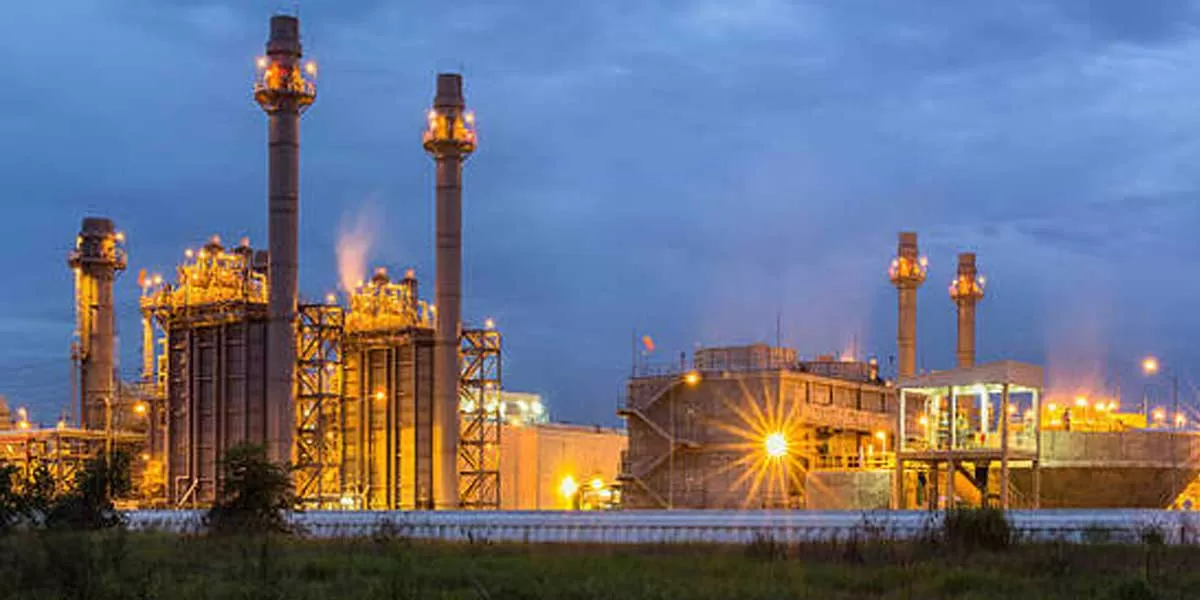
The Ministry of Power has announced comprehensive measures to ensure an adequate power supply amid the anticipated rise in demand during the summer months. With temperatures soaring, electricity consumption typically spikes, necessitating proactive steps to avoid power shortages.

Key initiatives include optimising power generation from coal, hydro, and renewable energy sources. The ministry has directed thermal power plants to maintain adequate coal stocks and ensure operational efficiency. Hydropower stations have been instructed to maximise output, especially during peak demand periods.

Additionally, the government is leveraging renewable energy sources like solar and wind to supplement the grid. Efforts to enhance grid stability and capacity have been intensified, ensuring seamless integration of renewable energy. The ministry is also working closely with state governments and power distribution companies to monitor and manage supply and demand dynamics effectively.

To further bolster power availability, the ministry has expedited maintenance and upgradation of transmission infrastructure. This includes improving inter-state transmission networks to facilitate the smooth transfer of electricity across regions. The government has also launched initiatives to promote energy efficiency, urging consumers to adopt energy-saving practices.

Special attention is being given to rural and remote areas to ensure uninterrupted power supply, minimising the impact of heatwaves on vulnerable populations. The ministry's measures aim to provide reliable and continuous electricity, mitigating the risks of blackouts or load shedding.

These proactive steps reflect the government's commitment to meeting the nation's energy needs and ensuring that households and businesses remain powered during the peak summer season. The ministry's comprehensive strategy is poised to address the challenges posed by increased electricity demand, ensuring a stable and sufficient power supply across the country.

The Ministry of Power has announced comprehensive measures to ensure an adequate power supply amid the anticipated rise in demand during the summer months. With temperatures soaring, electricity consumption typically spikes, necessitating proactive steps to avoid power shortages. Key initiatives include optimising power generation from coal, hydro, and renewable energy sources. The ministry has directed thermal power plants to maintain adequate coal stocks and ensure operational efficiency. Hydropower stations have been instructed to maximise output, especially during peak demand periods. Additionally, the government is leveraging renewable energy sources like solar and wind to supplement the grid. Efforts to enhance grid stability and capacity have been intensified, ensuring seamless integration of renewable energy. The ministry is also working closely with state governments and power distribution companies to monitor and manage supply and demand dynamics effectively. To further bolster power availability, the ministry has expedited maintenance and upgradation of transmission infrastructure. This includes improving inter-state transmission networks to facilitate the smooth transfer of electricity across regions. The government has also launched initiatives to promote energy efficiency, urging consumers to adopt energy-saving practices. Special attention is being given to rural and remote areas to ensure uninterrupted power supply, minimising the impact of heatwaves on vulnerable populations. The ministry's measures aim to provide reliable and continuous electricity, mitigating the risks of blackouts or load shedding. These proactive steps reflect the government's commitment to meeting the nation's energy needs and ensuring that households and businesses remain powered during the peak summer season. The ministry's comprehensive strategy is poised to address the challenges posed by increased electricity demand, ensuring a stable and sufficient power supply across the country.

Next Story
Infrastructure Energy

Indian Urea Producers Shut Plants As Iran War Cuts Qatari LNG Supplies

Indian urea producers have shut several plants after the war involving Iran led to cuts in Qatari supplies of liquefied natural gas (LNG), industry participants said. The reduction in LNG shipments has constrained feedstock availability and raised operational pressures at ammonia and urea units across the country, complicating production scheduling and maintenance plans. Producers have scaled back output in response to fuel shortages and logistical challenges affecting domestic fertiliser production and have implemented staggered shutdowns to manage inventories. The disruptions have heightened..

Next Story
Infrastructure Urban

Adani Plans Rs 600 bn Investment In Schools And Hospitals

Adani Group plans a Rs 600 billion (Rs 600 bn) social investment to construct 300 schools and 30 hospitals across India, aimed at expanding educational and healthcare infrastructure nationwide. The initiative is presented as a long term commitment to strengthen community services and address gaps in access to quality education and primary healthcare. The group highlighted investment in both physical infrastructure and associated services to ensure schools and hospitals are functional from opening. The programme will focus on building resilient facilities that meet prevailing regulatory standar..

Next Story
Infrastructure Transport

PM Launches Development Projects Worth Rs 235.5 Billion (bn) From Silchar

The Prime Minister launched development projects worth Rs 235.5 billion (bn) from Silchar in Assam and performed the bhumi pujan for three projects in the Barak Valley. The schemes comprise the Silchar High-Speed Corridor at an estimated cost of Rs 228.6 bn, the Silchar Town Flyover at about Rs 5.65 bn and the Patharkandi College of Agriculture at about Rs 1.22 bn. The announcement was made at a public ceremony in Cachar district. He said that southern Assam's Barak Valley is emerging as a strategic link to Southeast Asia and that the North East is taking a lead in the government's Act East po..

Advertisement

Subscribe to Our Newsletter

Get daily newsletters around different themes from Construction world.

STAY CONNECTED

Advertisement

Advertisement

Advertisement