Gujarat Sets Tariffs for 200 MW Wind-Solar Hybrid Projects
POWER & RENEWABLE ENERGY

Gujarat Sets Tariffs for 200 MW Wind-Solar Hybrid Projects

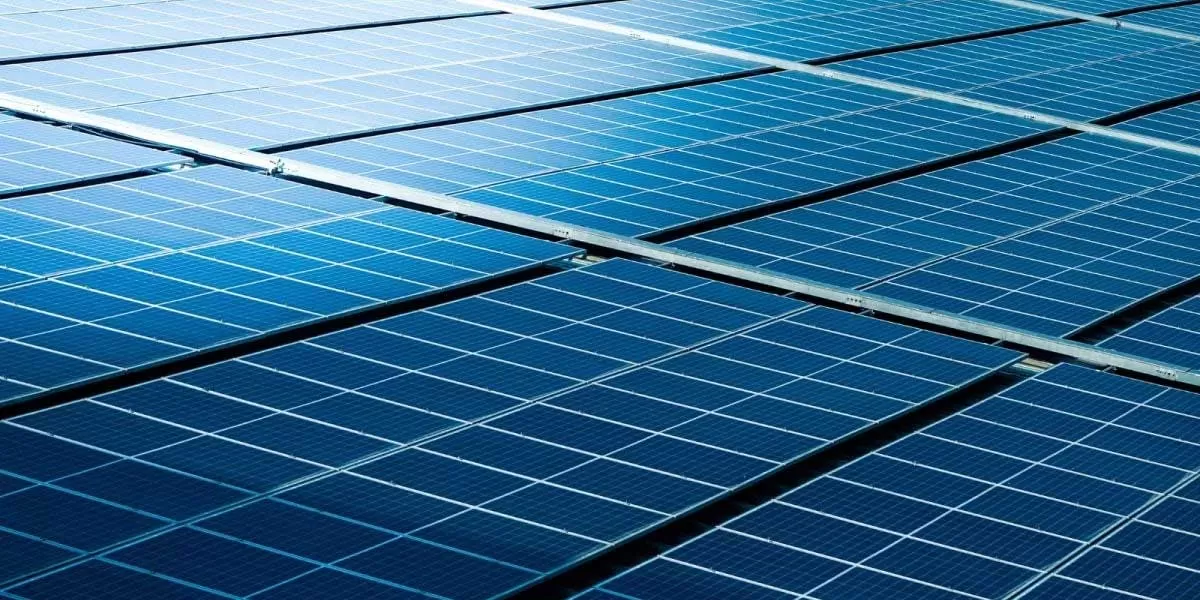
Gujarat has finalised tariffs for its latest 200 MW wind-solar hybrid projects, aiming to boost renewable energy production and achieve sustainable development goals. The state?s Energy Department announced the successful tariff bids, reflecting Gujarat?s commitment to expanding its renewable energy portfolio.

The Gujarat Urja Vikas Nigam Limited (GUVNL) conducted the auction for these projects, which attracted competitive bids from various developers. The winning tariff rates ranged from Rs 2.58 to Rs 2.67 per kWh, highlighting the cost-effectiveness and growing viability of hybrid renewable energy solutions.

These wind-solar hybrid projects are designed to harness the complementary nature of wind and solar energy, ensuring a more stable and efficient power supply. By integrating both energy sources, the projects aim to mitigate the intermittency issues associated with standalone wind and solar plants, thereby enhancing grid stability.

The 200 MW projects are part of Gujarat?s broader strategy to increase its renewable energy capacity and reduce dependence on conventional power sources. The state has been a frontrunner in adopting innovative energy solutions, consistently working towards its goal of becoming a renewable energy hub in India.

The finalisation of tariffs is a significant milestone in the project?s development, paving the way for construction and subsequent commissioning. These projects are expected to contribute significantly to Gujarat's renewable energy targets, promoting environmental sustainability and economic growth.

Gujarat?s proactive approach in setting competitive tariffs for wind-solar hybrid projects underscores its leadership in the renewable energy sector, setting an example for other states to follow.

Gujarat has finalised tariffs for its latest 200 MW wind-solar hybrid projects, aiming to boost renewable energy production and achieve sustainable development goals. The state?s Energy Department announced the successful tariff bids, reflecting Gujarat?s commitment to expanding its renewable energy portfolio. The Gujarat Urja Vikas Nigam Limited (GUVNL) conducted the auction for these projects, which attracted competitive bids from various developers. The winning tariff rates ranged from Rs 2.58 to Rs 2.67 per kWh, highlighting the cost-effectiveness and growing viability of hybrid renewable energy solutions. These wind-solar hybrid projects are designed to harness the complementary nature of wind and solar energy, ensuring a more stable and efficient power supply. By integrating both energy sources, the projects aim to mitigate the intermittency issues associated with standalone wind and solar plants, thereby enhancing grid stability. The 200 MW projects are part of Gujarat?s broader strategy to increase its renewable energy capacity and reduce dependence on conventional power sources. The state has been a frontrunner in adopting innovative energy solutions, consistently working towards its goal of becoming a renewable energy hub in India. The finalisation of tariffs is a significant milestone in the project?s development, paving the way for construction and subsequent commissioning. These projects are expected to contribute significantly to Gujarat's renewable energy targets, promoting environmental sustainability and economic growth. Gujarat?s proactive approach in setting competitive tariffs for wind-solar hybrid projects underscores its leadership in the renewable energy sector, setting an example for other states to follow.

Next Story
Infrastructure Urban

Implementation Status of Jal Jeevan Mission

Since August 2019 the Government has implemented Jal Jeevan Mission to provide assured potable water through household tap connections in rural India. At the start of the mission only 32.3 million (mn) rural households, representing 16.7 per cent, were reported to have tap water connections. States and union territories have reported that 125.8 mn additional rural households have since been provided with tap connections. As a result, of about 193.6 mn rural households roughly 158.2 mn, or 81.71 per cent, are reported to have tap water supply at home.\n\nThe State, district and village level st..

Next Story
Infrastructure Urban

Jal Jeevan Mission Reaches Eighty One Per Cent Rural Coverage

The Government reported substantial progress under the Jal Jeevan Mission, launched in August 2019 to provide tap water to every rural household. At launch only 32.3 million (mn) rural households had tap connections and states and Union territories reported provision of 125.8 mn additional households by March 2026. Consequently, out of about 193.6 mn rural households around 158.2 mn, or 81.71 per cent, are reported to have tap water at home. The Finance Minister announced extension of the mission until 2028 in the 2025-26 budget speech. The Swachh Bharat Mission Grameen, launched in October 20..

Next Story
Infrastructure Urban

Empowering Local Governance for Sustainable Rural Water Supply

The Ministry of Jal Shakti has aligned the Jal Jeevan Mission (JJM) with the 73rd Amendment to strengthen village level planning and community ownership of water supply. Gram Panchayats, village water and sanitation committees and Pani Samitis are to plan, implement, manage and maintain piped water systems, with gram sabha processes formalising handover and oversight. Implementation support agencies including non government organisations, community based organisations and self help groups have been empanelled to train local committees and promote women participation. Under JJM, the department ..

Advertisement

Subscribe to Our Newsletter

Get daily newsletters around different themes from Construction world.

STAY CONNECTED

Advertisement

Advertisement

Advertisement