Hyundai to procure 118 MW of renewable energy from Fourth Partner
POWER & RENEWABLE ENERGY

Hyundai to procure 118 MW of renewable energy from Fourth Partner

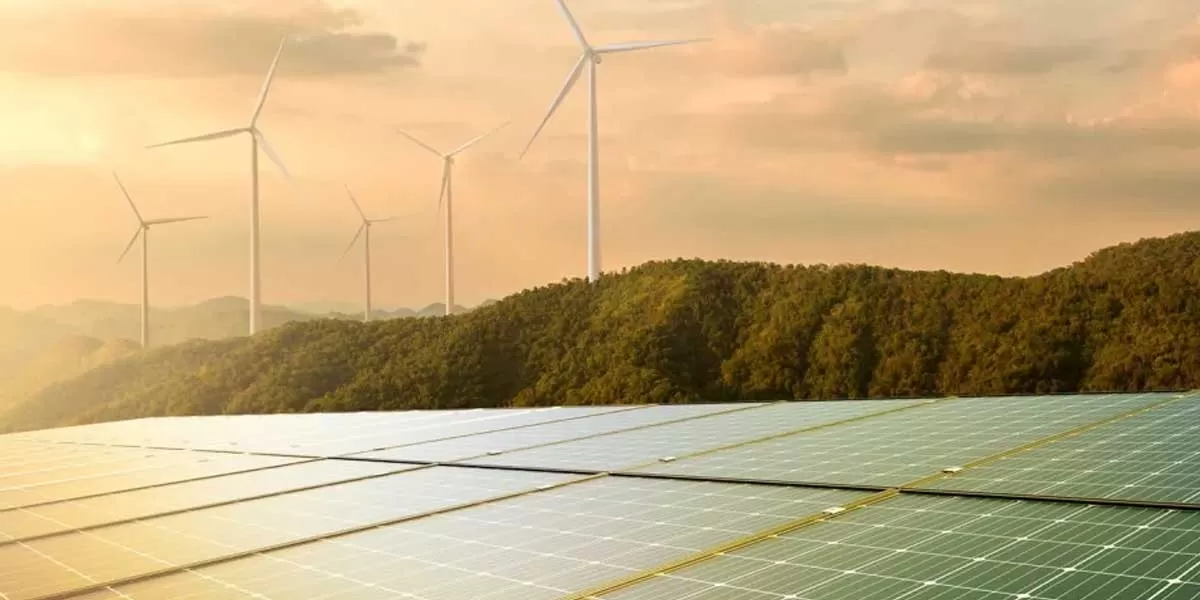
Hyundai Motor India has signed agreements to source 118 MW of renewable energy from Fourth Partner Energy’s (FPEL) solar and wind projects. This will be done through a group captive open access arrangement, marking a significant step in Hyundai's sustainability efforts.

Hyundai and Fourth Partner have entered into two 25-year Power Purchase Agreements (PPAs) with FPEL TN Wind Farm, a special purpose vehicle (SPV) formed by Fourth Partner Energy. Under the agreement, the SPV will develop and manage a 75 MW solar project and a 42.9 MW wind project in Tamil Nadu.

As part of the deal, Hyundai will acquire a 26% stake in the SPV, investing Rs 380 million in multiple phases.

This move is part of Hyundai's broader strategy to enhance its renewable energy usage and reduce its carbon footprint. According to its 2023 annual report, the company met 64% of its energy needs from renewable sources and aims to achieve 100% renewable energy consumption by 2025.

Hyundai's “Integrated Solutions to Climate Change” initiative, which targets carbon neutrality by 2045, includes a commitment to expanding electrification, transitioning to renewable energy, and lowering emissions. The company has also installed a 10 MW solar project at its Chennai factory, which contributes 5% of its renewable energy.

Additionally, Hyundai has set an ambitious goal of achieving 10 million annual sales of electric vehicles in India by 2030. In 2022, the company announced that four of its subsidiaries had joined the RE100, a global initiative that encourages companies to switch to 100% renewable electricity.

Fourth Partner Energy, which is developing 1.2 GW of renewable energy projects across Maharashtra, Uttar Pradesh, Tamil Nadu, and Gujarat, continues to play a key role in supporting Hyundai’s sustainability efforts.

(Mercom)

Hyundai Motor India has signed agreements to source 118 MW of renewable energy from Fourth Partner Energy’s (FPEL) solar and wind projects. This will be done through a group captive open access arrangement, marking a significant step in Hyundai's sustainability efforts. Hyundai and Fourth Partner have entered into two 25-year Power Purchase Agreements (PPAs) with FPEL TN Wind Farm, a special purpose vehicle (SPV) formed by Fourth Partner Energy. Under the agreement, the SPV will develop and manage a 75 MW solar project and a 42.9 MW wind project in Tamil Nadu. As part of the deal, Hyundai will acquire a 26% stake in the SPV, investing Rs 380 million in multiple phases. This move is part of Hyundai's broader strategy to enhance its renewable energy usage and reduce its carbon footprint. According to its 2023 annual report, the company met 64% of its energy needs from renewable sources and aims to achieve 100% renewable energy consumption by 2025. Hyundai's “Integrated Solutions to Climate Change” initiative, which targets carbon neutrality by 2045, includes a commitment to expanding electrification, transitioning to renewable energy, and lowering emissions. The company has also installed a 10 MW solar project at its Chennai factory, which contributes 5% of its renewable energy. Additionally, Hyundai has set an ambitious goal of achieving 10 million annual sales of electric vehicles in India by 2030. In 2022, the company announced that four of its subsidiaries had joined the RE100, a global initiative that encourages companies to switch to 100% renewable electricity. Fourth Partner Energy, which is developing 1.2 GW of renewable energy projects across Maharashtra, Uttar Pradesh, Tamil Nadu, and Gujarat, continues to play a key role in supporting Hyundai’s sustainability efforts. (Mercom)

Next Story
Infrastructure Urban

India Expands Semiconductor Training To 500 Institutions

Under the Chips to Startups programme of the India Semiconductor Mission, the Union minister responsible for Railways, Information and Broadcasting, and Electronics and IT reported notable progress in talent development. He indicated that over the past four years substantial steps have been taken towards a 10-year target of training 85,000 engineers in semiconductor design. World-class EDA tools have been deployed in 315 academic institutions across the country to provide students with practical exposure to chip design. These EDA tools are supported by leading global firms and are accessible t..

Next Story
Infrastructure Urban

Delhi Institutions Support India Semiconductor Mission

The Government of India has prioritised talent development through training, upskilling and workforce development under the Chips to Startups initiative of the India Semiconductor Mission, with officials noting progress in four years towards a 10-year target of training 85,000 engineers in semiconductor design. Electronic design automation tools provided by Synopsys, Cadence, Siemens, Renesas, Ansys and AMD have been deployed in 315 academic institutions, enabling students to gain practical chip design experience. Chips have been fabricated and tested at the Semiconductor Laboratory, Mohali, a..

Next Story
Infrastructure Urban

NHA Announces Winners Of NHCX Hackathon At IIT Hyderabad

The National Health Authority (NHA) has concluded the NHCX Hackathon under the Ayushman Bharat Digital Mission (ABDM) to stimulate innovation around the National Health Claims Exchange (NHCX). The winning teams presented their solutions at the NHCX Innovation Meet held at IIT Hyderabad during a two-day event in March 2026 that also served as the hackathon grand finale. The hackathon itself ran from 22 to 28 February 2026 and aimed to accelerate paperless, transparent claims processing across India. The event was organised with a range of ecosystem partners, including the Insurance Regulatory a..

Advertisement

Subscribe to Our Newsletter

Get daily newsletters around different themes from Construction world.

STAY CONNECTED

Advertisement

Advertisement

Advertisement