IBA Proposes Tax Holiday to Boost CBG Production
POWER & RENEWABLE ENERGY

IBA Proposes Tax Holiday to Boost CBG Production

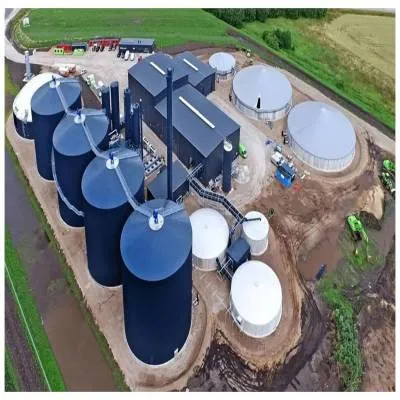
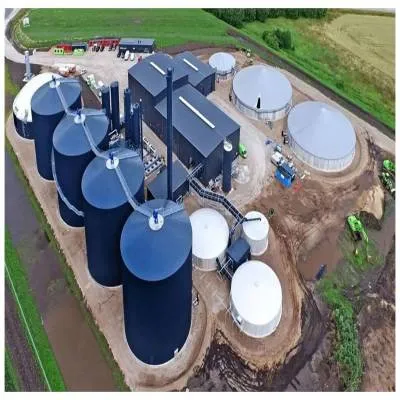
The Indian Biogas Association (IBA) has urged the finance ministry to offer blanket corporate tax holidays for compressed biogas (CBG) production in the upcoming General Budget. The association believes such incentives would attract investments, drive cleaner energy generation, and support India’s renewable energy goals.

In a letter to Finance Minister Nirmala Sitharaman earlier this month, IBA proposed a complete tax waiver for CBG producers during their initial years of operation. The ministry is expected to present the budget on February 1.

In FY2024-25, approximately 100 commercial CBG plants in India contributed to a total sales value of around Rs 12 billion. With a tax waiver, the government would forgo an estimated Rs 1 billion in tax revenue, a short-term loss that IBA believes will yield long-term benefits for the renewable energy sector, encouraging private investment, and generating employment.

The tax relief could help producers offer competitive prices for CBG, further boosting its adoption in India's energy mix. IBA also highlighted the potential for utilizing agricultural residues like paddy straw and crop wastes in biogas production, reducing air pollution and aligning with India’s shift towards greener energy.

Additionally, IBA proposed extending the Haryana model, which incentivizes farmers to stop burning paddy. It recommended scaling this initiative in states with high agricultural residues such as Punjab, Haryana, Uttar Pradesh, and Bihar, before gradually rolling it out nationwide.

The association also proposed developing a framework for selling carbon credits on domestic and international platforms, offering biogas producers new revenue streams and helping India meet its climate targets. Furthermore, IBA called for simplified legislation regarding renewable energy certification and trading, along with grants for transportation of agricultural feedstock to biogas plants.

These measures, IBA said, would stimulate both economic growth and cleaner energy development across India.

The Indian Biogas Association (IBA) has urged the finance ministry to offer blanket corporate tax holidays for compressed biogas (CBG) production in the upcoming General Budget. The association believes such incentives would attract investments, drive cleaner energy generation, and support India’s renewable energy goals. In a letter to Finance Minister Nirmala Sitharaman earlier this month, IBA proposed a complete tax waiver for CBG producers during their initial years of operation. The ministry is expected to present the budget on February 1. In FY2024-25, approximately 100 commercial CBG plants in India contributed to a total sales value of around Rs 12 billion. With a tax waiver, the government would forgo an estimated Rs 1 billion in tax revenue, a short-term loss that IBA believes will yield long-term benefits for the renewable energy sector, encouraging private investment, and generating employment. The tax relief could help producers offer competitive prices for CBG, further boosting its adoption in India's energy mix. IBA also highlighted the potential for utilizing agricultural residues like paddy straw and crop wastes in biogas production, reducing air pollution and aligning with India’s shift towards greener energy. Additionally, IBA proposed extending the Haryana model, which incentivizes farmers to stop burning paddy. It recommended scaling this initiative in states with high agricultural residues such as Punjab, Haryana, Uttar Pradesh, and Bihar, before gradually rolling it out nationwide. The association also proposed developing a framework for selling carbon credits on domestic and international platforms, offering biogas producers new revenue streams and helping India meet its climate targets. Furthermore, IBA called for simplified legislation regarding renewable energy certification and trading, along with grants for transportation of agricultural feedstock to biogas plants. These measures, IBA said, would stimulate both economic growth and cleaner energy development across India.

Next Story
Infrastructure Urban

Implementation Status of Jal Jeevan Mission

Since August 2019 the Government has implemented Jal Jeevan Mission to provide assured potable water through household tap connections in rural India. At the start of the mission only 32.3 million (mn) rural households, representing 16.7 per cent, were reported to have tap water connections. States and union territories have reported that 125.8 mn additional rural households have since been provided with tap connections. As a result, of about 193.6 mn rural households roughly 158.2 mn, or 81.71 per cent, are reported to have tap water supply at home.\n\nThe State, district and village level st..

Next Story
Infrastructure Urban

Jal Jeevan Mission Reaches Eighty One Per Cent Rural Coverage

The Government reported substantial progress under the Jal Jeevan Mission, launched in August 2019 to provide tap water to every rural household. At launch only 32.3 million (mn) rural households had tap connections and states and Union territories reported provision of 125.8 mn additional households by March 2026. Consequently, out of about 193.6 mn rural households around 158.2 mn, or 81.71 per cent, are reported to have tap water at home. The Finance Minister announced extension of the mission until 2028 in the 2025-26 budget speech. The Swachh Bharat Mission Grameen, launched in October 20..

Next Story
Infrastructure Urban

Empowering Local Governance for Sustainable Rural Water Supply

The Ministry of Jal Shakti has aligned the Jal Jeevan Mission (JJM) with the 73rd Amendment to strengthen village level planning and community ownership of water supply. Gram Panchayats, village water and sanitation committees and Pani Samitis are to plan, implement, manage and maintain piped water systems, with gram sabha processes formalising handover and oversight. Implementation support agencies including non government organisations, community based organisations and self help groups have been empanelled to train local committees and promote women participation. Under JJM, the department ..

Advertisement

Subscribe to Our Newsletter

Get daily newsletters around different themes from Construction world.

STAY CONNECTED

Advertisement

Advertisement

Advertisement