+
IISER Tirupati Innovates Hydrogen Production from Methanol
POWER & RENEWABLE ENERGY

IISER Tirupati Innovates Hydrogen Production from Methanol

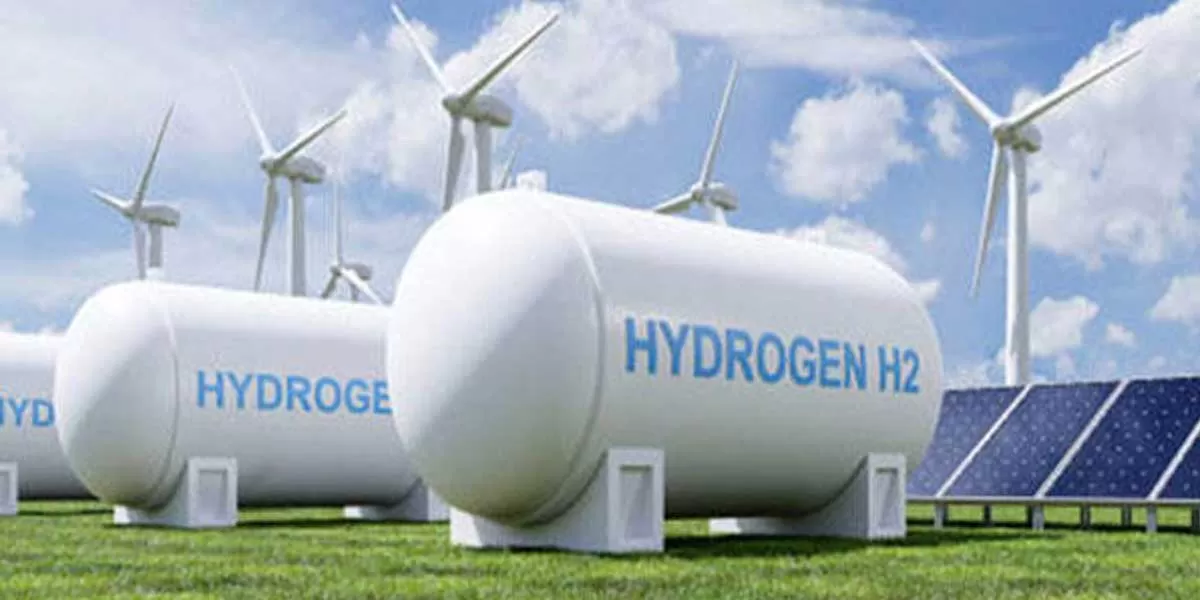
Researchers at IISER Tirupati have created a synthetic method to produce hydrogen gas from methanol and paraformaldehyde under mild conditions. This development is seen as a potential advancement in both chemical synthesis and sustainable energy solutions. The method employs commercially available nickel catalysts and operates without the need for bases or activators, demonstrating impressive efficiency.

The study, directed by Prof. Ekambaram Balaraman, emphasised the method's effectiveness in the transfer hydrogenation of alkynes to alkenes. This process is crucial for creating bioactive molecules with enhanced synthetic value. The approach is in line with global efforts to discover sustainable and renewable energy sources, addressing the rapid depletion of fossil fuels.

Methanol and paraformaldehyde were selected for their abundant production and potential as hydrogen carriers, offering significant advantages over free hydrogen in terms of storage and transportation. The hydrogen generated was effectively used in chemo- and stereo-selective partial transfer hydrogenations.

The research was supported by the ANRF (formerly SERB, a statutory body of the Department of Science and Technology) and has been accepted for publication in the journal 'Catalysis Science & Technology'. This study opens a new pathway for COx-free hydrogen generation, contributing to the development of a 'hydrogen economy' and addressing the challenges posed by increasing global energy demands.

Researchers at IISER Tirupati have created a synthetic method to produce hydrogen gas from methanol and paraformaldehyde under mild conditions. This development is seen as a potential advancement in both chemical synthesis and sustainable energy solutions. The method employs commercially available nickel catalysts and operates without the need for bases or activators, demonstrating impressive efficiency. The study, directed by Prof. Ekambaram Balaraman, emphasised the method's effectiveness in the transfer hydrogenation of alkynes to alkenes. This process is crucial for creating bioactive molecules with enhanced synthetic value. The approach is in line with global efforts to discover sustainable and renewable energy sources, addressing the rapid depletion of fossil fuels. Methanol and paraformaldehyde were selected for their abundant production and potential as hydrogen carriers, offering significant advantages over free hydrogen in terms of storage and transportation. The hydrogen generated was effectively used in chemo- and stereo-selective partial transfer hydrogenations. The research was supported by the ANRF (formerly SERB, a statutory body of the Department of Science and Technology) and has been accepted for publication in the journal 'Catalysis Science & Technology'. This study opens a new pathway for COx-free hydrogen generation, contributing to the development of a 'hydrogen economy' and addressing the challenges posed by increasing global energy demands.

Next Story
Infrastructure Transport

Second Mountain Tunnel Breakthrough in Palghar Advances High Speed Rail

The Mumbai-Ahmedabad high speed rail (MAHSR) project reached a milestone with the breakthrough of a mountain tunnel in Palghar, Maharashtra. Mountain tunnel MT-six measures 454 metres long and 14.4 metres wide and will accommodate up and down tracks. The breakthrough follows MT-five near Saphale on second January 2026 and the MT-six excavation was completed from both ends using the New Austrian Tunnelling Method. The ministry reported that the tunnelling was completed within 12 months. The New Austrian Tunnelling Method is favoured for its flexibility in complex geology and irregular tunnel s..

Next Story
Infrastructure Transport

Modi Government Pushes Atmanirbhar Container Drive With BCSL MoU

The Union Government advanced a plan to create an integrated, domestically anchored container ecosystem with the signing of a Memorandum of Understanding to establish the Bharat Container Shipping Line (BCSL). The MoU was signed by key agencies including the Shipping Corporation of India and Container Corporation of India alongside major port authorities and Sagarmala Finance Corporation Limited under the Ministry of Ports, Shipping and Waterways, in the presence of senior ministers. The initiative aligns with the Container Manufacturing Assistance Scheme announced in the Union Budget 2026–2..

Next Story
Infrastructure Urban

Ministry Reports Gains In Mobility For Marginalised Communities

The Ministry of Social Justice and Empowerment is implementing skill development, education and rehabilitation schemes to promote socio-economic mobility and sustainable livelihoods for marginalised and disadvantaged communities across the country. Programmes target Scheduled Castes, Other Backward Classes, Economically Weaker Sections, De-notified Tribes and Safai Karamcharis through specialised implementing corporations and empanelled training institutes. Pradhan Mantri Dakshata Aur Kushalta Sampann Hitgrahi Yojana, or PM-DAKSH, provided skill training and placement support through the Nati..

Advertisement

Subscribe to Our Newsletter

Get daily newsletters around different themes from Construction world.

STAY CONNECTED

Advertisement

Advertisement

Advertisement

Open In App