India And Germany Deepen Cooperation In Storage And Renewables
POWER & RENEWABLE ENERGY

India And Germany Deepen Cooperation In Storage And Renewables

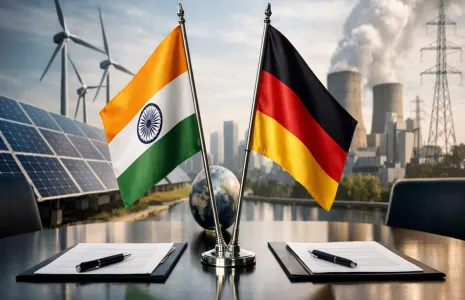
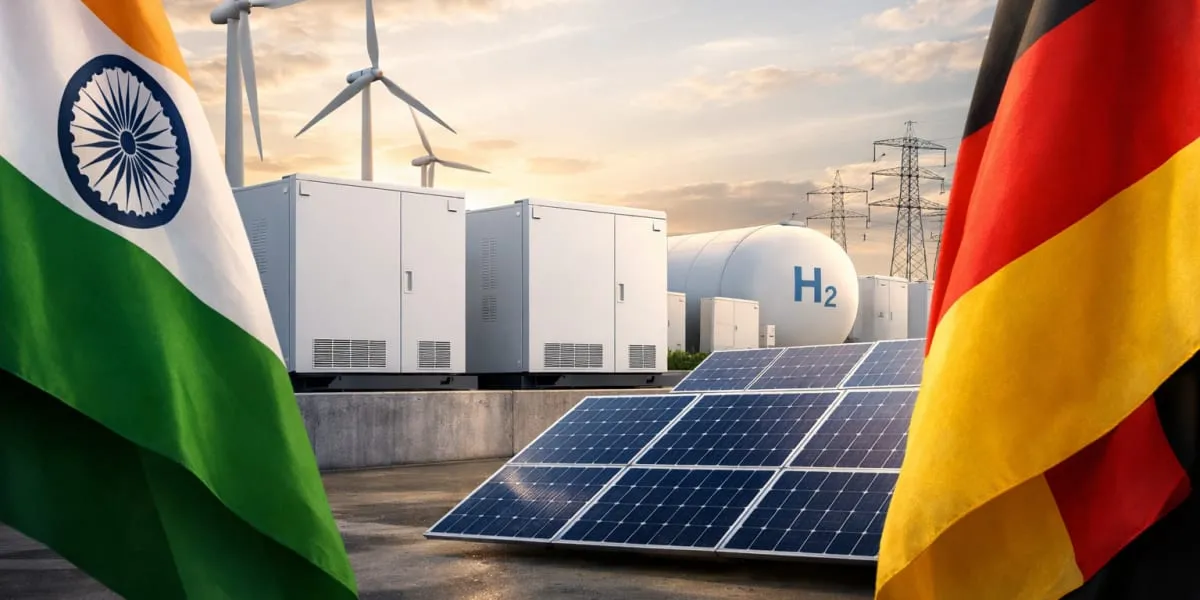
India and Germany reaffirmed commitments to deepen cooperation in renewables, energy storage and green hydrogen, with a focus on strengthening energy security and reducing reliance on imported fossil fuels. The renewed focus emerged at the 10th GSDP Conversation Series, jointly hosted by the Indo-German Partnership for Green and Sustainable Development (GSDP) and the Ministry of New and Renewable Energy under the theme Energy Security through Renewable Energies. The event gathered policymakers, industry executives, think tanks and renewable energy experts.

The German ambassador to India said renewable energy had moved beyond a climate imperative to become an economic and strategic necessity and affirmed that both countries face shared challenges in reducing import dependence. He described renewables as creating a convergence of climate action, economic opportunity and energy security, indicating scope for enhanced bilateral collaboration. Delegates highlighted cooperation on deployment, manufacturing, battery storage, grid integration and energy efficiency.

The MNRE secretary underlined vulnerabilities in fossil fuel supplies amid geopolitical tensions in West Asia and emphasised the role of solar, wind, battery energy storage systems and green hydrogen in strengthening energy security and sustainable development. He noted that non-fossil fuel sources now account for around 54 per cent of India’s installed power generation capacity and restated the target of achieving 500 GW of non-fossil capacity by 2030.

Panellists urged accelerated deployment of renewable capacity, increased investment in battery storage and grid modernisation alongside stronger public-private collaboration to ensure reliable and affordable supplies. They said the next phase of India’s clean energy transition would require coordinated investments across generation, transmission, distribution, storage, financing and domestic manufacturing ecosystems. Germany was identified as a key partner, with cooperation expressed on climate finance and skills development.

The discussions coincided with the 75 year milestone in diplomatic relations and formed part of ongoing efforts to scale renewable deployment and domestic manufacturing to cut import reliance and meet long-term net-zero commitments. Stakeholders indicated that policy, finance and technology deployment must align to realise the objectives set out at the forum.

"Join industry leaders at RAHSTA Expo, India's premier platform for roads, highways and traffic infrastructure. Register now to explore innovations, network with experts and shape the future of mobility."

India and Germany reaffirmed commitments to deepen cooperation in renewables, energy storage and green hydrogen, with a focus on strengthening energy security and reducing reliance on imported fossil fuels. The renewed focus emerged at the 10th GSDP Conversation Series, jointly hosted by the Indo-German Partnership for Green and Sustainable Development (GSDP) and the Ministry of New and Renewable Energy under the theme Energy Security through Renewable Energies. The event gathered policymakers, industry executives, think tanks and renewable energy experts. The German ambassador to India said renewable energy had moved beyond a climate imperative to become an economic and strategic necessity and affirmed that both countries face shared challenges in reducing import dependence. He described renewables as creating a convergence of climate action, economic opportunity and energy security, indicating scope for enhanced bilateral collaboration. Delegates highlighted cooperation on deployment, manufacturing, battery storage, grid integration and energy efficiency. The MNRE secretary underlined vulnerabilities in fossil fuel supplies amid geopolitical tensions in West Asia and emphasised the role of solar, wind, battery energy storage systems and green hydrogen in strengthening energy security and sustainable development. He noted that non-fossil fuel sources now account for around 54 per cent of India’s installed power generation capacity and restated the target of achieving 500 GW of non-fossil capacity by 2030. Panellists urged accelerated deployment of renewable capacity, increased investment in battery storage and grid modernisation alongside stronger public-private collaboration to ensure reliable and affordable supplies. They said the next phase of India’s clean energy transition would require coordinated investments across generation, transmission, distribution, storage, financing and domestic manufacturing ecosystems. Germany was identified as a key partner, with cooperation expressed on climate finance and skills development. The discussions coincided with the 75 year milestone in diplomatic relations and formed part of ongoing efforts to scale renewable deployment and domestic manufacturing to cut import reliance and meet long-term net-zero commitments. Stakeholders indicated that policy, finance and technology deployment must align to realise the objectives set out at the forum.

Next Story
Real Estate

Platinum Corp Launches Bespoke Presidential Suites

Platinum Corp has launched Platinum Stellar: Bespoke Presidential Suites, a luxury residential project on Main Avenue in Santacruz, Mumbai. The project has been positioned as a boutique, design-led development for high-net-worth individuals, business owners and legacy residents from the Bandra-Khar-Santacruz belt.The project has been developed in collaboration with celebrity interior designer Sussanne Khan and follows a design-first approach inspired by Art Deco architecture. It incorporates refined detailing, spacious layouts, premium material palettes and arrival experiences planned to creat..

Next Story
Infrastructure Transport

Adani Airport City Plans Rs 200 Bn Investment

Adani Airport City Limited (AACL), a wholly owned subsidiary of Adani Airport Holdings Limited (AAHL), has announced a programme to develop integrated airport cities across its airport network. The first phase will involve an investment of more than Rs 20,000 crore and cover around 22 million sq ft across Mumbai, Navi Mumbai, Ahmedabad, Lucknow, Jaipur and Guwahati.The development spans over 655 acres across six airports in five states. Nearly 440 acres are located in Mumbai and Navi Mumbai, which will receive close to 70 per cent of the planned investment. The focus reflects the Mumbai Metrop..

Next Story
Infrastructure Urban

Vedanta contributes Rs 627.22 billion to exchequer

Vedanta Limited contributed Rs 627.22 billion to the exchequer in FY26, according to its 11th Tax Transparency Report. The contribution accounted for 36 per cent of the company’s consolidated revenue from operations and reflected its focus on transparent governance, fiscal discipline and nation-building.The FY26 contribution marked a 13.3 per cent increase over the previous year. Vedanta’s cumulative contribution to the exchequer over the past decade reached Rs 4.83 trillion. The company said the Group ranks among India’s top three private-sector contributors to the national exchequer.Th..

Advertisement

Subscribe to Our Newsletter

Get daily newsletters around different themes from Construction world.

STAY CONNECTED

Advertisement

Advertisement

Advertisement