India and Sri Lanka Deepen Power Sector Cooperation
POWER & RENEWABLE ENERGY

India and Sri Lanka Deepen Power Sector Cooperation

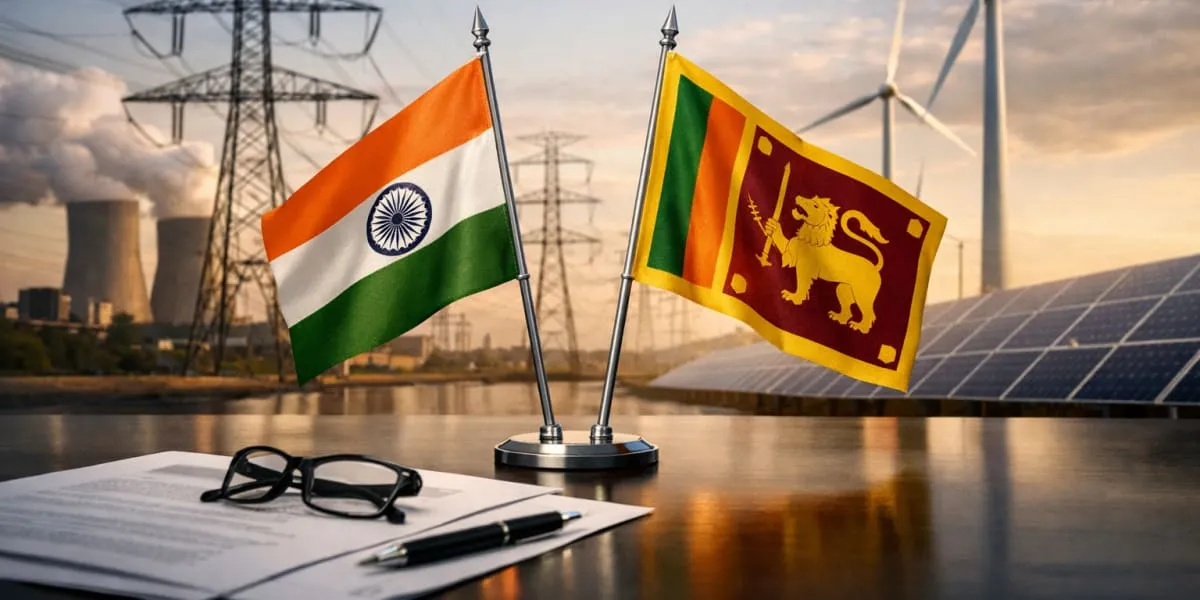
India and Sri Lanka reviewed bilateral cooperation in the power sector at a meeting in New Delhi, focusing on interconnection projects and renewable development. The Indian delegation was led by Union Minister of Power and Housing and Urban Affairs Manohar Lal, while the Sri Lankan delegation was led by Anura Karunathilake, Minister of Ports and Civil Aviation and Minister of Energy of Sri Lanka. The ministers assessed progress on existing initiatives and reiterated commitments to enhance regional energy security.

Officials examined the proposed India–Sri Lanka high-voltage direct current (HVDC) interconnection and the Sampur Solar Power Project, and explored avenues to expand cross-border electricity trade and transmission infrastructure. The Indian side shared experience in transmission system development through the Tariff-Based Competitive Bidding (TBCB) framework as a Public-Private Partnership (PPP) model. Discussions encompassed renewable energy integration and capacity building to support the clean energy transition in the region. They discussed timelines for project milestones and potential avenues for mobilising finance and technical assistance.

Both sides reviewed mechanisms for cooperation and set out priorities for sustainable development and mutual support in meeting energy needs. The engagement addressed technical, regulatory and financing dimensions of joint projects, and considered measures to streamline project implementation and stakeholder coordination. Officials noted the strategic importance of enhancing grid resilience and facilitating investment in transmission and generation.

Senior officials accompanying the ministers included Pankaj Agarwal, Secretary, Ministry of Power, and representatives from the Government of India, together with the Sri Lankan high commissioner to India and other senior delegates. The meeting sought to translate policy commitments into actionable steps and timelines for project delivery. Both parties committed to maintain dialogue and pursue further cooperation to advance shared energy goals and implementation efforts. They agreed to convene technical working groups and expedite feasibility studies to inform implementation timelines and investor engagement.

India and Sri Lanka reviewed bilateral cooperation in the power sector at a meeting in New Delhi, focusing on interconnection projects and renewable development. The Indian delegation was led by Union Minister of Power and Housing and Urban Affairs Manohar Lal, while the Sri Lankan delegation was led by Anura Karunathilake, Minister of Ports and Civil Aviation and Minister of Energy of Sri Lanka. The ministers assessed progress on existing initiatives and reiterated commitments to enhance regional energy security. Officials examined the proposed India–Sri Lanka high-voltage direct current (HVDC) interconnection and the Sampur Solar Power Project, and explored avenues to expand cross-border electricity trade and transmission infrastructure. The Indian side shared experience in transmission system development through the Tariff-Based Competitive Bidding (TBCB) framework as a Public-Private Partnership (PPP) model. Discussions encompassed renewable energy integration and capacity building to support the clean energy transition in the region. They discussed timelines for project milestones and potential avenues for mobilising finance and technical assistance. Both sides reviewed mechanisms for cooperation and set out priorities for sustainable development and mutual support in meeting energy needs. The engagement addressed technical, regulatory and financing dimensions of joint projects, and considered measures to streamline project implementation and stakeholder coordination. Officials noted the strategic importance of enhancing grid resilience and facilitating investment in transmission and generation. Senior officials accompanying the ministers included Pankaj Agarwal, Secretary, Ministry of Power, and representatives from the Government of India, together with the Sri Lankan high commissioner to India and other senior delegates. The meeting sought to translate policy commitments into actionable steps and timelines for project delivery. Both parties committed to maintain dialogue and pursue further cooperation to advance shared energy goals and implementation efforts. They agreed to convene technical working groups and expedite feasibility studies to inform implementation timelines and investor engagement.

Related Stories

Gold Stories

Next Story
Real Estate

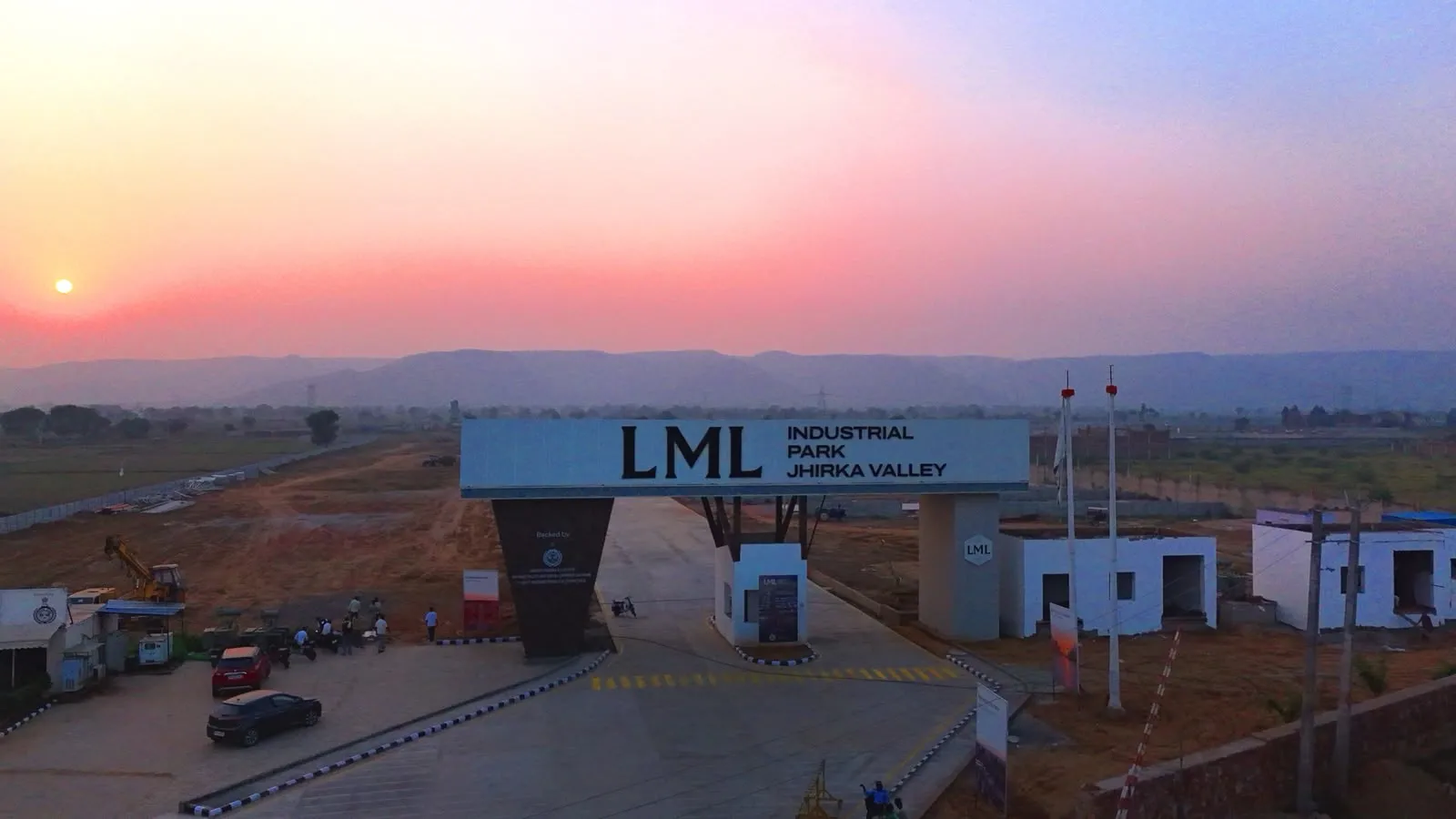
LML Realty Sells Out Jhirka Valley Industrial Park in Haryana

LML Realty, the real estate arm of LML Group, recently announced the complete sell-out of its Jhirka Valley Industrial Park in Haryana, with over 1.17 million sq ft of industrial space acquired by more than 50 companies. With utilities and internal infrastructure in place, the company has commenced plot handovers, enabling buyers to begin construction and establish their operations.The industrial park has attracted companies across diverse sectors, including chemicals, metals and alloys, textiles, electrical equipment, energy, logistics, construction, polymers and engineering. Key buyers inclu..

Next Story
Real Estate

WSB Real Estate Partners Exits Six Housing Investments

WSB Real Estate Partners recently announced the successful exit of six residential investments across Bengaluru, Mumbai Metropolitan Region (MMR) and National Capital Region (NCR), delivering an average internal rate of return (IRR) of 19–21 per cent and an overall investment return of 1.4 times.The real estate-focused investment firm invested approximately Rs 7 billion across six mid-affordable housing projects over the past four years. All six investments were fully repaid between April and November 2026, several months ahead of their original investment tenures.WSB collaborated with sever..

Next Story
Infrastructure Transport

Aluminium Industry Seeks Policy Support for Rs 4 Trillion Investment

The Aluminium Association of India (AAI) has recently urged the government to introduce supportive policy measures to safeguard the sector’s proposed Rs 4 trillion investment pipeline. The association highlighted the need for a predictable policy framework to strengthen domestic manufacturing, expand production capacity and reduce import dependence.AAI submitted its recommendations for the Union Budget 2027-28 to the Ministries of Finance, Commerce and Industry, and Mines, along with the Department for Promotion of Industry and Internal Trade (DPIIT).India’s aluminium demand is projected t..

Advertisement

Subscribe to Our Newsletter

Get daily newsletters around different themes from Construction world.

STAY CONNECTED

Advertisement

SPECIAL OFFER
QR Code