+
India Awards 862,000 TPA Green Hydrogen Capacity
POWER & RENEWABLE ENERGY

India Awards 862,000 TPA Green Hydrogen Capacity

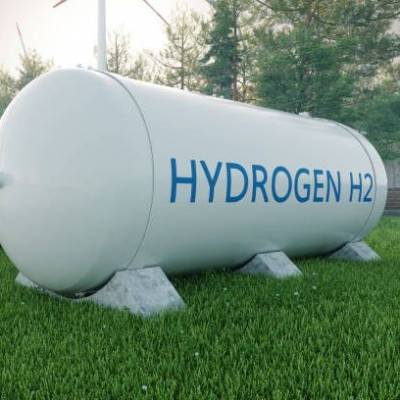
India has awarded 862,000 tonnes per annum (TPA) of green hydrogen production capacity to 19 companies under the National Green Hydrogen Mission, Union Minister of State for Power and New & Renewable Energy Shripad Naik announced at the FICCI Green Hydrogen Summit 2025 in New Delhi.
Naik said India aims to capture 10 per cent of global green hydrogen demand, projected to exceed 100 million tonnes by 2030. “We want to make India not only a major producer but also a global hub for green hydrogen exports,” he said.
The government has also allocated 3,000 MW of electrolyser manufacturing capacity to 15 companies.
Renewable Energy Base
As of June 2025, India’s renewable energy capacity reached 237 GW, including 119 GW from solar, 52 GW from wind, and 49 GW from large hydro. With 8.78 GW of nuclear power, non-fossil fuel sources now contribute more than half of India’s installed generation capacity. Naik said achieving this milestone five years ahead of schedule reflects India’s progress towards its 500 GW non-fossil fuel target for 2030.
Industry Perspectives
At the summit, Rajat Seksaria, Chair of FICCI’s Green Hydrogen Committee and CEO of Adani New Industries, noted the government’s support measures: the Production Linked Incentive (PLI) scheme, the green ammonia auction, and consistent industry engagement.
Vipul Tuli, Chair of FICCI’s Renewable Energy CEOs Committee and Chairman of Sembcorp India, highlighted that in one global tender, green hydrogen was priced lower than blue hydrogen—a significant milestone. However, he warned against chasing short-term gains at the cost of long-term stability.
International Cooperation
Ewa Suwara, Chargé d’affaires of the EU Delegation to India, said the recent India-EU Green Hydrogen Forum in Rotterdam had led to the creation of a Hydrogen Task Force, underscoring joint efforts to address global energy challenges.
Report Launch
The minister also unveiled the FICCI-EY Green Hydrogen Report: India’s Green Hydrogen Ecosystem, which stresses demand from hard-to-abate sectors such as refining, steel, aviation, and fertilisers. The report outlines priority use-cases, procurement models, cost structures, and steps to stimulate demand for a sustainable hydrogen market. 

India has awarded 862,000 tonnes per annum (TPA) of green hydrogen production capacity to 19 companies under the National Green Hydrogen Mission, Union Minister of State for Power and New & Renewable Energy Shripad Naik announced at the FICCI Green Hydrogen Summit 2025 in New Delhi.Naik said India aims to capture 10 per cent of global green hydrogen demand, projected to exceed 100 million tonnes by 2030. “We want to make India not only a major producer but also a global hub for green hydrogen exports,” he said.The government has also allocated 3,000 MW of electrolyser manufacturing capacity to 15 companies.Renewable Energy BaseAs of June 2025, India’s renewable energy capacity reached 237 GW, including 119 GW from solar, 52 GW from wind, and 49 GW from large hydro. With 8.78 GW of nuclear power, non-fossil fuel sources now contribute more than half of India’s installed generation capacity. Naik said achieving this milestone five years ahead of schedule reflects India’s progress towards its 500 GW non-fossil fuel target for 2030.Industry PerspectivesAt the summit, Rajat Seksaria, Chair of FICCI’s Green Hydrogen Committee and CEO of Adani New Industries, noted the government’s support measures: the Production Linked Incentive (PLI) scheme, the green ammonia auction, and consistent industry engagement.Vipul Tuli, Chair of FICCI’s Renewable Energy CEOs Committee and Chairman of Sembcorp India, highlighted that in one global tender, green hydrogen was priced lower than blue hydrogen—a significant milestone. However, he warned against chasing short-term gains at the cost of long-term stability.International CooperationEwa Suwara, Chargé d’affaires of the EU Delegation to India, said the recent India-EU Green Hydrogen Forum in Rotterdam had led to the creation of a Hydrogen Task Force, underscoring joint efforts to address global energy challenges.Report LaunchThe minister also unveiled the FICCI-EY Green Hydrogen Report: India’s Green Hydrogen Ecosystem, which stresses demand from hard-to-abate sectors such as refining, steel, aviation, and fertilisers. The report outlines priority use-cases, procurement models, cost structures, and steps to stimulate demand for a sustainable hydrogen market. 

Related Stories

Gold Stories

Next Story
Infrastructure Urban

KONE Opens India's First Digital Experience Centre in Pune

KONE, a global elevator and escalator manufacturer, has inaugurated its first Digital Experience Centre (DEC) in India, located in Pune. The facility aims to showcase how artificial intelligence (AI), connectivity and data-driven technologies can enhance customer experiences and improve building operations.The centre was inaugurated by Jussi Herlin, Executive Vice Chair, KONE Corporation; Philippe Delorme, President and CEO, KONE; and Nandan Nilekani, Co-founder and Chairman of the Board, Infosys.Designed as an interactive customer environment, the facility demonstrates digital solutions cover..

Next Story
Infrastructure Urban

CII GreenCo Launches Circularity Guidelines for Indian Industry

The Confederation of Indian Industry (CII) GreenCo Council has launched the CII GreenCo Circularity Guidelines – Pilot Version at the 17th CII GreenCo Waste & Resource Management Summit 2026 in Chennai. The initiative aims to strengthen resource efficiency, waste reduction and circular economy practices across Indian manufacturing and process industries.The guidelines introduce a structured framework with circularity indices covering raw materials, consumables, packaging and other resource inputs. These indicators will help industries assess existing practices, identify opportunities to ..

Next Story
Infrastructure Energy

Global Electronics Association Launches IPC-1783-CO2E Standard

The Global Electronics Association has introduced IPC-1783-CO2E, a new international standard aimed at improving consistency, transparency and comparability in product carbon footprint reporting across the electronics manufacturing industry.The standard, titled International Standard for Data Collection and Reporting of CO2 Equivalent (CO2e) Emissions for the Electronics Manufacturing Supply Chain, provides industry-specific guidance for collecting, estimating and reporting carbon emissions data.With increasing regulatory requirements and customer expectations, electronics manufacturers face c..

Advertisement

Subscribe to Our Newsletter

Get daily newsletters around different themes from Construction world.

STAY CONNECTED

Advertisement

SPECIAL OFFER
QR Code