




India Boosts Refinery Capacity
POWER & RENEWABLE ENERGY

India Boosts Refinery Capacity

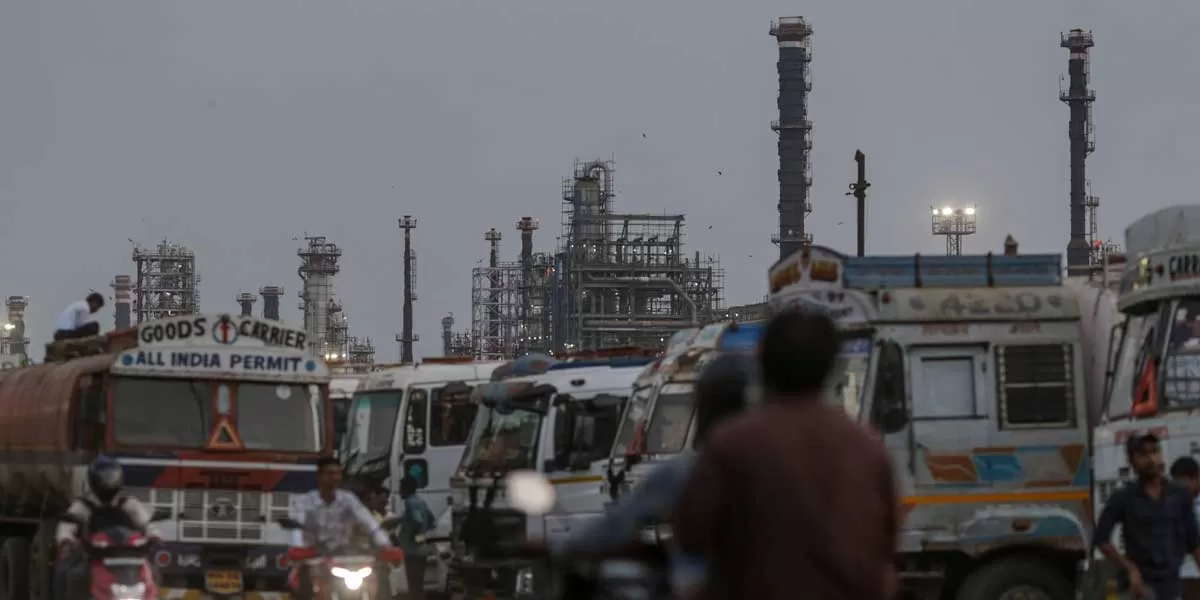
Lets see insights into the anticipated surge in refinery capacity within India, with projections indicating a substantial increase of 24 million tonnes per annum (MTPA) by the fiscal year 2026. This expansion is underpinned by a stable demand trajectory within the sector, as analysed by India Ratings and Research (Ind-Ra), a leading credit rating agency in the country. The forecasted rise in capacity is emblematic of India's strategic efforts to bolster its energy infrastructure in response to burgeoning domestic energy needs and sustained demand for refined petroleum products.

India, as one of the world's fastest-growing economies, has been grappling with the challenge of meeting its escalating energy requirements. The country's ambitious economic agenda, coupled with a burgeoning population and rapid urbanisation, has propelled the demand for energy to unprecedented levels. In this context, the expansion of refinery capacity assumes paramount importance, as it serves as a linchpin for ensuring a stable and uninterrupted supply of essential fuels to power various sectors of the economy.

The projected increase in refinery capacity not only underscores India's commitment to enhancing energy security but also holds the promise of catalysing broader socio-economic development. A robust and efficient refinery infrastructure is pivotal for driving industrial growth, facilitating trade, and fostering job creation across the value chain. Moreover, by reducing reliance on imports and refining capacity from abroad, India stands to strengthen its position as a key player in the global energy landscape while mitigating the risks associated with external supply disruptions and price volatility.

Furthermore, the expansion of refinery capacity aligns with India's broader agenda of transitioning towards cleaner and more sustainable energy sources. As the country intensifies its focus on renewable energy and adopts cleaner technologies, a robust refinery sector can serve as a vital bridge, enabling the gradual shift towards a more diversified and eco-friendly energy mix.

In essence, the projected increase in refinery capacity heralds a new chapter in India's energy journey, marked by resilience, innovation, and strategic foresight. By leveraging its inherent strengths and embracing emerging opportunities, India is poised to emerge as a formidable force in the global energy arena, driving inclusive growth and prosperity for its citizens while charting a sustainable path towards the future.

Lets see insights into the anticipated surge in refinery capacity within India, with projections indicating a substantial increase of 24 million tonnes per annum (MTPA) by the fiscal year 2026. This expansion is underpinned by a stable demand trajectory within the sector, as analysed by India Ratings and Research (Ind-Ra), a leading credit rating agency in the country. The forecasted rise in capacity is emblematic of India's strategic efforts to bolster its energy infrastructure in response to burgeoning domestic energy needs and sustained demand for refined petroleum products. India, as one of the world's fastest-growing economies, has been grappling with the challenge of meeting its escalating energy requirements. The country's ambitious economic agenda, coupled with a burgeoning population and rapid urbanisation, has propelled the demand for energy to unprecedented levels. In this context, the expansion of refinery capacity assumes paramount importance, as it serves as a linchpin for ensuring a stable and uninterrupted supply of essential fuels to power various sectors of the economy. The projected increase in refinery capacity not only underscores India's commitment to enhancing energy security but also holds the promise of catalysing broader socio-economic development. A robust and efficient refinery infrastructure is pivotal for driving industrial growth, facilitating trade, and fostering job creation across the value chain. Moreover, by reducing reliance on imports and refining capacity from abroad, India stands to strengthen its position as a key player in the global energy landscape while mitigating the risks associated with external supply disruptions and price volatility. Furthermore, the expansion of refinery capacity aligns with India's broader agenda of transitioning towards cleaner and more sustainable energy sources. As the country intensifies its focus on renewable energy and adopts cleaner technologies, a robust refinery sector can serve as a vital bridge, enabling the gradual shift towards a more diversified and eco-friendly energy mix. In essence, the projected increase in refinery capacity heralds a new chapter in India's energy journey, marked by resilience, innovation, and strategic foresight. By leveraging its inherent strengths and embracing emerging opportunities, India is poised to emerge as a formidable force in the global energy arena, driving inclusive growth and prosperity for its citizens while charting a sustainable path towards the future.

Next Story
Infrastructure Urban

ABS Marine Sees CRISIL Credit Rating Upgrade

ABS Marine Services has secured an upgrade to its long term and short term credit ratings from CRISIL, reflecting improved profitability and revenue growth through long term contracts. CRISIL moved the long term rating from BBB+/Stable to A-/Stable and revised the short term rating from A2 to A2+. The action signals strengthened financial metrics and operational resilience. The company benefited from durable client relationships with firms such as ONGC and Schlumberger. The rating decision followed stronger cash flows and an enlarged bank loan facility, which increased from Rs 3,705 million (m..

Next Story
Infrastructure Transport

Project BRAHMANK Marks 16 Years Of Strategic Roads In Arunachal

Project BRAHMANK is marking 16 years of work to establish strategic road and bridge links across Arunachal Pradesh, maintaining and developing 811 kilometres of roads and nearly 86 bridges that range from small culverts to large steel and arch bridges. These transport links are described as critical for ensuring year-round movement of defence personnel, equipment and essential supplies while improving everyday travel for people in remote villages. The project balances national security requirements with regional development by focusing on reliable access in challenging terrain. Notable enginee..

Next Story
Infrastructure Transport

Longleng CSOs Give One Week Ultimatum Over Two-Lane Highway

Civil society organisations (CSOs) in Longleng district have demanded immediate restoration of the deteriorating Changtongya–Longleng two-lane road and sought a detailed status report on the stalled construction within one week. The demand followed a consultative meeting convened under the Phom Peoples' Council (PPC) to discuss welfare and development concerns. PPC president YB Angam Phom said prolonged non-maintenance had caused hardship to commuters and affected transportation, local commerce and the district's development. The meeting urged authorities to undertake immediate restoration a..

Advertisement

Subscribe to Our Newsletter

Get daily newsletters around different themes from Construction world.

STAY CONNECTED

Advertisement

Advertisement

Advertisement