

+
India may lead post-pandemic growth in RE
POWER & RENEWABLE ENERGY

India may lead post-pandemic growth in RE

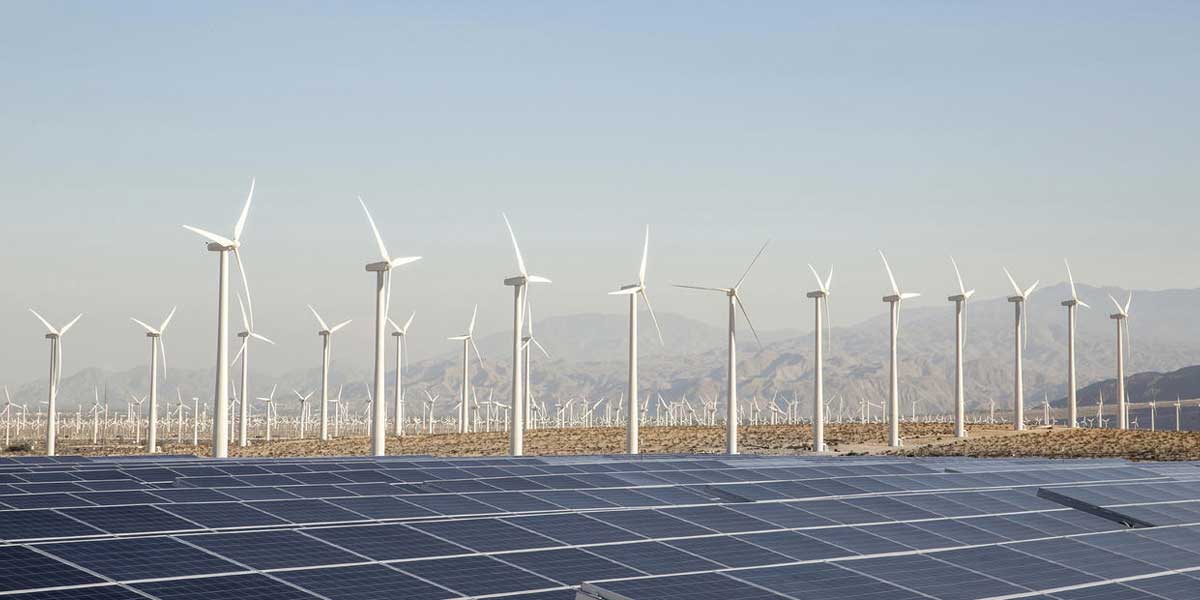
In contrast to the sharp declines triggered by the ongoing pandemic, renewable power has been growing robustly around the world in 2020, according to the International Energy Agency (IEA). The IEA’s Renewables 2020 report forecasts that new additions of renewable power capacity worldwide will increase to almost 200 GW this year. India and the European Union are expected to be the driving forces behind the record expansion of global renewable energy capacity additions of almost 10 % in the upcoming year, the agency says.

Over the first 10 months of this year, China, India, and the European Union have auctioned renewable power capacity worldwide 15% higher than in the same period last year. Moreover, the shares of renewable equipment-manufacturing companies and project developers have fared better than most major stock market indices and the overall energy sector. By October 2020, the shares of solar companies worldwide have more than doubled in value from December 2019.

Nearly 90 % of the total expansion in global overall power capacity is led by wind, solar PV, and hydropower. In the United States and China, wind and solar additions are expected to spike by 30% as developers strive to take advantage of the expiring incentives.

According to a report, this is the fastest growth since 2015. This growth comes in spite of a 5% dip in annual global energy demand. The commissioning of delayed projects where construction and supply chains were disrupted by the pandemic and the growth in markets where the pre-Covid-19 project pipeline was robust, has led to this growth in renewable energy capacities. With the doubling of annual additions in 2020, it is expected that India shall be the largest contributor to the renewables upswing in 2021.

Executive Director Faith Birol of IEA says that renewable power has defied all the difficulties caused by the pandemic and has shown robust growth while other fuel industries continue to struggle. The sustained strong appetite from investors shows the resilience and positive impacts of the sector. With new capacity additions on course, the future looks even brighter. Policymakers still need to take important steps to support the momentum behind renewables. In the IEA report’s main forecast, the expiry of incentives in key markets and the consequent uncertainties show a small decline in capacity additions in 2022. However, if countries address the policy obstacles in time, the report estimates that the wind additions and global solar PV could each increase by a further 25% in 2022.

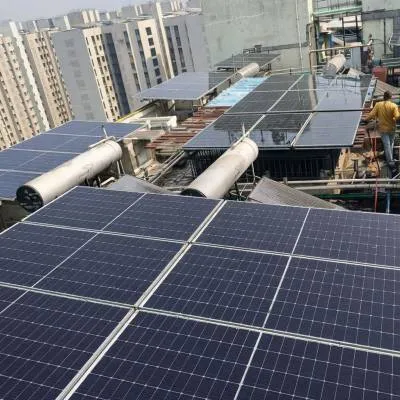
The critical factors influencing the pace of deployment shall be policy decisions in key markets such as China, and support for rooftop solar PV. Rooftop solar PVs have been affected by the crisis as households and businesses have reprioritised investments. If policy conditions are favourable, solar PV annual additions could reach a record level of 150 GW by the year 2022. This shows an increase of almost 40% in just three years.

In contrast to the sharp declines triggered by the ongoing pandemic, renewable power has been growing robustly around the world in 2020, according to the International Energy Agency (IEA). The IEA’s Renewables 2020 report forecasts that new additions of renewable power capacity worldwide will increase to almost 200 GW this year. India and the European Union are expected to be the driving forces behind the record expansion of global renewable energy capacity additions of almost 10 % in the upcoming year, the agency says.Over the first 10 months of this year, China, India, and the European Union have auctioned renewable power capacity worldwide 15% higher than in the same period last year. Moreover, the shares of renewable equipment-manufacturing companies and project developers have fared better than most major stock market indices and the overall energy sector. By October 2020, the shares of solar companies worldwide have more than doubled in value from December 2019. Nearly 90 % of the total expansion in global overall power capacity is led by wind, solar PV, and hydropower. In the United States and China, wind and solar additions are expected to spike by 30% as developers strive to take advantage of the expiring incentives. According to a report, this is the fastest growth since 2015. This growth comes in spite of a 5% dip in annual global energy demand. The commissioning of delayed projects where construction and supply chains were disrupted by the pandemic and the growth in markets where the pre-Covid-19 project pipeline was robust, has led to this growth in renewable energy capacities. With the doubling of annual additions in 2020, it is expected that India shall be the largest contributor to the renewables upswing in 2021. Executive Director Faith Birol of IEA says that renewable power has defied all the difficulties caused by the pandemic and has shown robust growth while other fuel industries continue to struggle. The sustained strong appetite from investors shows the resilience and positive impacts of the sector. With new capacity additions on course, the future looks even brighter. Policymakers still need to take important steps to support the momentum behind renewables. In the IEA report’s main forecast, the expiry of incentives in key markets and the consequent uncertainties show a small decline in capacity additions in 2022. However, if countries address the policy obstacles in time, the report estimates that the wind additions and global solar PV could each increase by a further 25% in 2022. The critical factors influencing the pace of deployment shall be policy decisions in key markets such as China, and support for rooftop solar PV. Rooftop solar PVs have been affected by the crisis as households and businesses have reprioritised investments. If policy conditions are favourable, solar PV annual additions could reach a record level of 150 GW by the year 2022. This shows an increase of almost 40% in just three years.

Related Stories

Gold Stories

Next Story
Infrastructure Urban

Infrastructure Opportunity Outlook by IMPACCT.Info

India’s infrastructure pipeline is witnessing dynamic activity across stages — from immediate bidding to future planning. IMPACCT segments these into three categories: Immediate, 3–6 Month, and Future Opportunities, enabling businesses to identify, prepare, and participate in high-value tenders and projects across sectors.To read full article Click Here ..

Next Story
Real Estate

Glass, Reframed!

Glass façades, quintessential aesthetic building envelopes globally, have been widely adopted in India as well. But when the focus is high-performance building systems that deliver energy efficiency, comfort and architectural identity, glass isn’t the only preference. Combination solutions, involving glass and some other material, improve façade outcomes. Some combinations come at comparable prices, some at a higher price. Here is a selection of performance-oriented solutions...To read the full story Click Here ..

Next Story
Infrastructure Urban

Beyond Building Faster

India’s cities are expanding at an unprecedented pace, bringing new infrastructure and development opportunities while also intensifying challenges around mobility, public spaces, liveability and supporting infrastructure. The question, therefore, is not simply whether India can build faster, but whether it can build cities that work better.At a CW webinar, Are We Designing Better Cities – or Just Building Faster?, moderator Ar. Samir Shaikh, Founding Principal, AR&UD Studio, brought together perspectives from design, development, master planning and technology...To read the full artic..

Advertisement

Subscribe to Our Newsletter

Get daily newsletters around different themes from Construction world.

STAY CONNECTED

Advertisement

SPECIAL OFFER
QR Code