India Targets 10 per cent Share In Global Green Hydrogen By 2030
POWER & RENEWABLE ENERGY

India Targets 10 per cent Share In Global Green Hydrogen By 2030

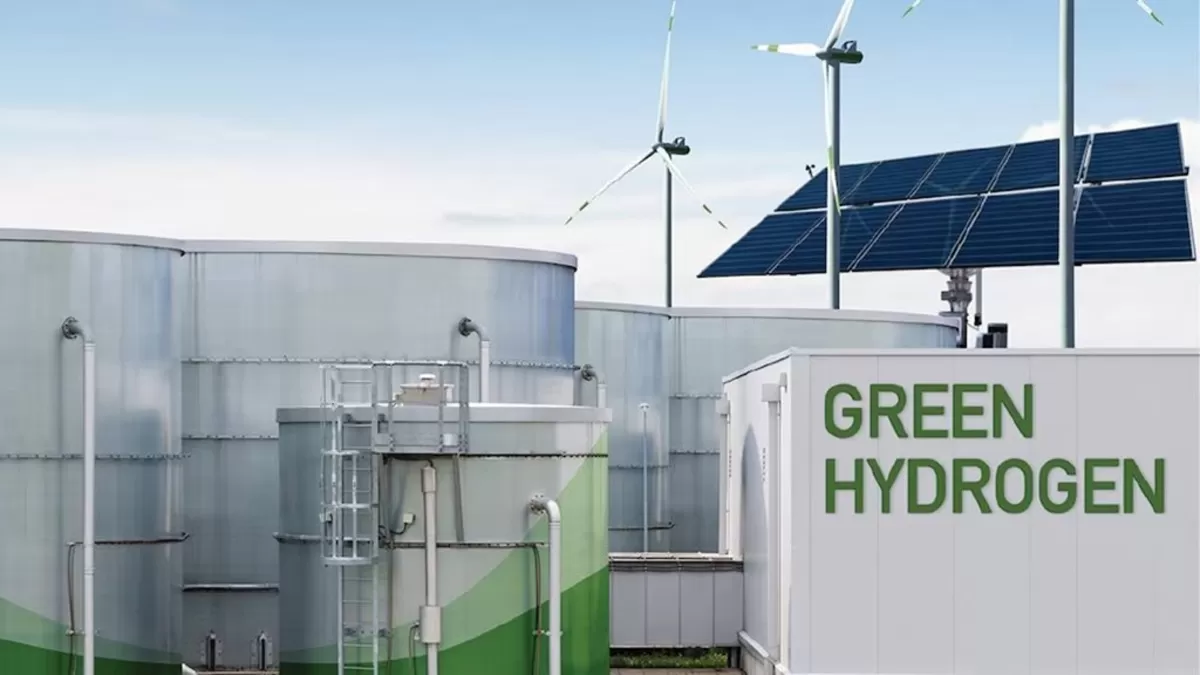
India is positioning itself as a global hub for green hydrogen exports, targeting nearly 10 per cent of worldwide demand by 2030, Union Minister of State for New & Renewable Energy, Shripad Yesso Naik, said at the FICCI Green Hydrogen Summit 2025.
He highlighted that annual production capacity of 862,000 tonnes of green hydrogen has already been allocated to 19 companies. Five states have notified their green hydrogen policies, while others are working on similar frameworks, covering land allocation, water access, renewable power banking, and hydrogen hub development.
Naik noted that more than 100 standards and protocols have been adopted or are under development to ensure quality and safety. He emphasised that India intends not just to be a producer but a reliable global supplier, with partnerships underway to secure cost competitiveness in a global market projected to exceed 100 million tonnes by 2030.
The minister also indicated that incentives and financing mechanisms such as viability gap funding, green bonds, and multilateral bank support will be used to achieve these goals. The National Green Hydrogen Mission, launched in 2023 with an initial outlay of Rs 197.44 billion, underpins this strategy.
Under the SIGHT scheme’s Component I for electrolyser manufacturing, 3,000 MW of capacity has been awarded to 15 companies. Component II, focused on hydrogen production, has allocated 862,000 tonnes per annum across 19 companies.
Pilot projects have also been launched in steel, transport, and shipping, while 23 R&D projects have been sanctioned, with more than 100 further proposals under evaluation for Centres of Excellence. Three testing facilities are already being established.
To meet the Mission’s goal of producing 5 million tonnes of green hydrogen by 2030, India plans to add 125 GW of renewable energy capacity dedicated to hydrogen production.
Ewa Suwara, Chargé d’Affaires of the EU Delegation to India, said the forthcoming India–EU Hydrogen Task Force would align strategies and foster commercial partnerships. “The real success will come from businesses engaging directly, finding synergies, and building commercially viable partnerships,” she stated.

India is positioning itself as a global hub for green hydrogen exports, targeting nearly 10 per cent of worldwide demand by 2030, Union Minister of State for New & Renewable Energy, Shripad Yesso Naik, said at the FICCI Green Hydrogen Summit 2025.He highlighted that annual production capacity of 862,000 tonnes of green hydrogen has already been allocated to 19 companies. Five states have notified their green hydrogen policies, while others are working on similar frameworks, covering land allocation, water access, renewable power banking, and hydrogen hub development.Naik noted that more than 100 standards and protocols have been adopted or are under development to ensure quality and safety. He emphasised that India intends not just to be a producer but a reliable global supplier, with partnerships underway to secure cost competitiveness in a global market projected to exceed 100 million tonnes by 2030.The minister also indicated that incentives and financing mechanisms such as viability gap funding, green bonds, and multilateral bank support will be used to achieve these goals. The National Green Hydrogen Mission, launched in 2023 with an initial outlay of Rs 197.44 billion, underpins this strategy.Under the SIGHT scheme’s Component I for electrolyser manufacturing, 3,000 MW of capacity has been awarded to 15 companies. Component II, focused on hydrogen production, has allocated 862,000 tonnes per annum across 19 companies.Pilot projects have also been launched in steel, transport, and shipping, while 23 R&D projects have been sanctioned, with more than 100 further proposals under evaluation for Centres of Excellence. Three testing facilities are already being established.To meet the Mission’s goal of producing 5 million tonnes of green hydrogen by 2030, India plans to add 125 GW of renewable energy capacity dedicated to hydrogen production.Ewa Suwara, Chargé d’Affaires of the EU Delegation to India, said the forthcoming India–EU Hydrogen Task Force would align strategies and foster commercial partnerships. “The real success will come from businesses engaging directly, finding synergies, and building commercially viable partnerships,” she stated.

Related Stories

Gold Stories
Next Story
Infrastructure Urban

KONE Opens India's First Digital Experience Centre in Pune

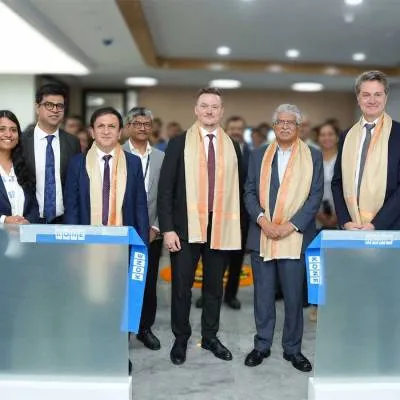
KONE, a global elevator and escalator manufacturer, has inaugurated its first Digital Experience Centre (DEC) in India, located in Pune. The facility aims to showcase how artificial intelligence (AI), connectivity and data-driven technologies can enhance customer experiences and improve building operations.The centre was inaugurated by Jussi Herlin, Executive Vice Chair, KONE Corporation; Philippe Delorme, President and CEO, KONE; and Nandan Nilekani, Co-founder and Chairman of the Board, Infosys.Designed as an interactive customer environment, the facility demonstrates digital solutions cover..

Next Story
Infrastructure Urban

CII GreenCo Launches Circularity Guidelines for Indian Industry

The Confederation of Indian Industry (CII) GreenCo Council has launched the CII GreenCo Circularity Guidelines – Pilot Version at the 17th CII GreenCo Waste & Resource Management Summit 2026 in Chennai. The initiative aims to strengthen resource efficiency, waste reduction and circular economy practices across Indian manufacturing and process industries.The guidelines introduce a structured framework with circularity indices covering raw materials, consumables, packaging and other resource inputs. These indicators will help industries assess existing practices, identify opportunities to ..

Next Story
Infrastructure Energy

Global Electronics Association Launches IPC-1783-CO2E Standard

The Global Electronics Association has introduced IPC-1783-CO2E, a new international standard aimed at improving consistency, transparency and comparability in product carbon footprint reporting across the electronics manufacturing industry.The standard, titled International Standard for Data Collection and Reporting of CO2 Equivalent (CO2e) Emissions for the Electronics Manufacturing Supply Chain, provides industry-specific guidance for collecting, estimating and reporting carbon emissions data.With increasing regulatory requirements and customer expectations, electronics manufacturers face c..

Advertisement

Subscribe to Our Newsletter

Get daily newsletters around different themes from Construction world.

STAY CONNECTED

Advertisement

SPECIAL OFFER
QR Code