India Tightens Rules on Wind Turbine Parts and Data Use
POWER & RENEWABLE ENERGY

India Tightens Rules on Wind Turbine Parts and Data Use

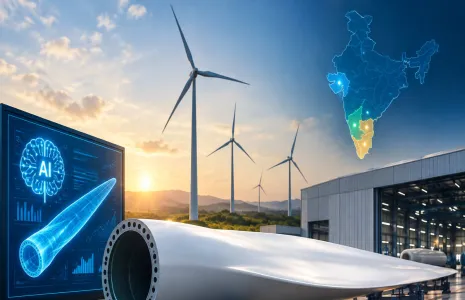
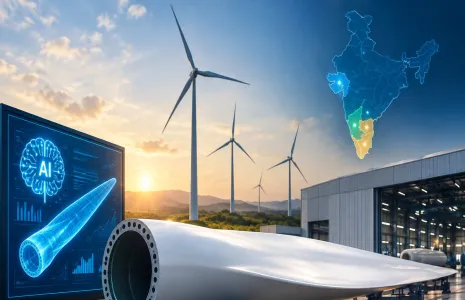
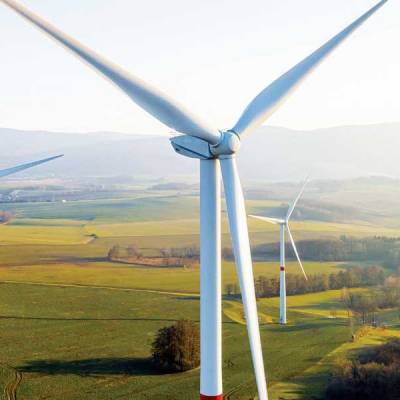
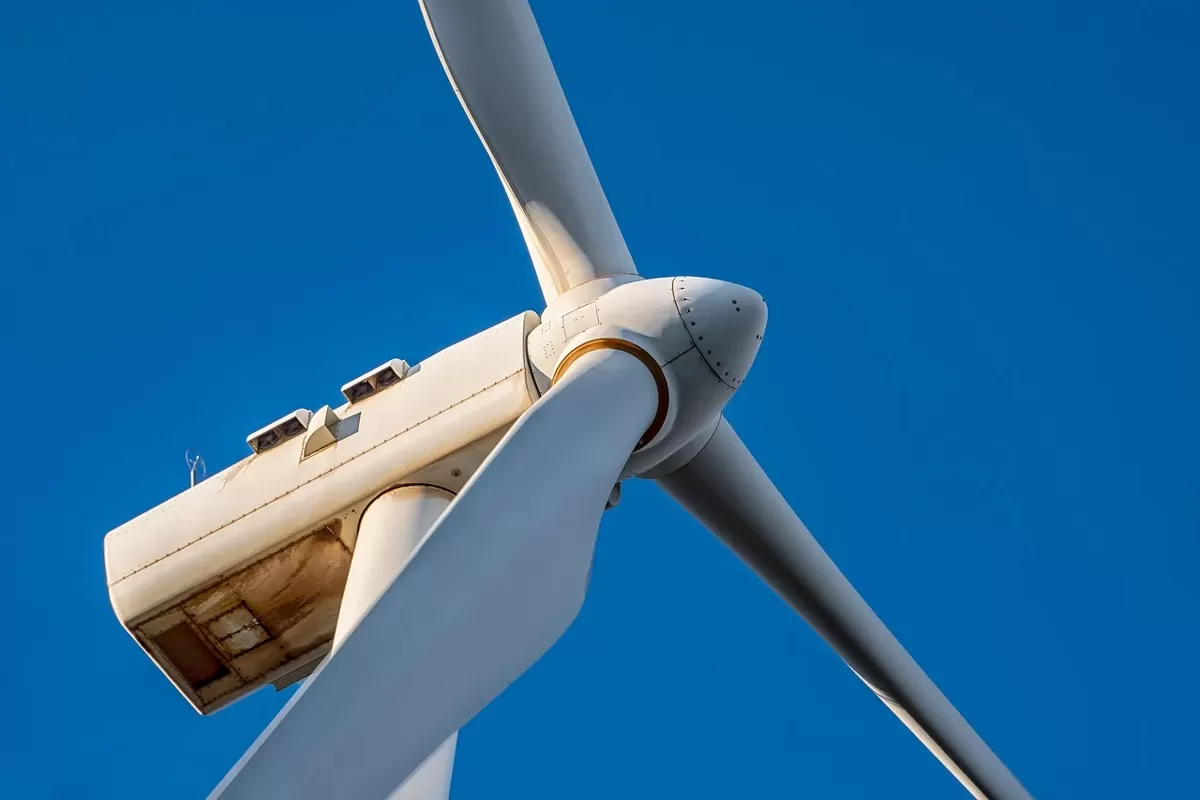
India has imposed stringent new rules on wind turbine equipment manufacturers, requiring them to locally source critical components and comply with strict data localisation regulations, according to a Ministry of New and Renewable Energy (MNRE) notification issued late Thursday.
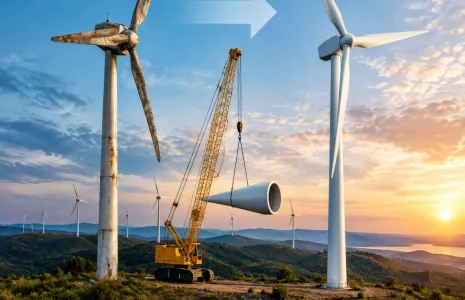
Manufacturers must now procure key components—including blades, towers, generators, gearboxes, and special bearings—from vendors listed in the upcoming Approved List of Models and Manufacturers (ALMM), which the ministry will issue separately.
A technical team set up by MNRE will conduct inspections, and a separate standard operating procedure will be released to guide compliance.
In addition, the directive mandates that all wind turbine operational data be stored within India, prohibits real-time transfer of such data overseas, and requires operational control and R&D centres to be located domestically within one year.
These measures aim to strengthen India’s domestic wind turbine manufacturing industry, which currently has an annual capacity of 20 GW. The policy aligns with India’s broader clean energy goal of achieving 500 GW of non-fossil fuel capacity—including hydro and nuclear—by 2030, up from the current 235.6 GW.
Some exemptions apply, including for already bid-out and near-term projects. New turbine models will be allowed up to 800 MW of exempted capacity over two years but must file quarterly progress updates.
The move is expected to benefit Indian wind equipment manufacturers such as Suzlon Energy, Inox Wind, and Adani Wind, while potentially curbing the expansion of foreign firms like China’s Envision Group, which has gained significant market share in recent years. 

India has imposed stringent new rules on wind turbine equipment manufacturers, requiring them to locally source critical components and comply with strict data localisation regulations, according to a Ministry of New and Renewable Energy (MNRE) notification issued late Thursday.Manufacturers must now procure key components—including blades, towers, generators, gearboxes, and special bearings—from vendors listed in the upcoming Approved List of Models and Manufacturers (ALMM), which the ministry will issue separately.A technical team set up by MNRE will conduct inspections, and a separate standard operating procedure will be released to guide compliance.In addition, the directive mandates that all wind turbine operational data be stored within India, prohibits real-time transfer of such data overseas, and requires operational control and R&D centres to be located domestically within one year.These measures aim to strengthen India’s domestic wind turbine manufacturing industry, which currently has an annual capacity of 20 GW. The policy aligns with India’s broader clean energy goal of achieving 500 GW of non-fossil fuel capacity—including hydro and nuclear—by 2030, up from the current 235.6 GW.Some exemptions apply, including for already bid-out and near-term projects. New turbine models will be allowed up to 800 MW of exempted capacity over two years but must file quarterly progress updates.The move is expected to benefit Indian wind equipment manufacturers such as Suzlon Energy, Inox Wind, and Adani Wind, while potentially curbing the expansion of foreign firms like China’s Envision Group, which has gained significant market share in recent years. 

Next Story
Infrastructure Transport

Chembur Metro to Boost East Mumbai Links

MMRDA is advancing eastern Mumbai’s urban mobility network, with the upcoming Chembur Metro Station set to emerge as a key interchange and the Mumbai Monorail preparing for relaunch.Dr Sanjay Mukherjee, Metropolitan Commissioner, MMRDA, conducted a site visit to Chembur Metro Station along with Kanhuraj Bagate, Managing Director, MMMOCL. He also visited the nearby VN Purav Monorail Station to review system preparedness and ease of interconnectivity.Once operational, the interchange is expected to offer commuters across the eastern suburbs quicker access, smoother transfers and seamless conne..

Next Story
Equipment

Herrenknecht TBMs Drive Thane–Borivali Tunnel Progress

Herrenknecht India has supplied two of the four tunnel boring machines (TBMs) required for the 11-km Thane–Borivali Twin Tunnel Project being developed by the Mumbai Metropolitan Region Development Authority (MMRDA). The project is expected to reduce travel time between Thane and Borivali from 60–90 minutes to around 15 minutes while easing congestion across the Mumbai Metropolitan Region.The first two Single Shield TBMs, named Nayak and Arjuna, feature 13.34-m cutterhead diameters and are designed for hard-rock excavation. They will be deployed to tunnel through the challenging geological..

Next Story
Resources

KBL Launches Smart Skid Mounted Fire Pump Set

Kirloskar Brothers (KBL) has launched its Smart Skid Mounted Fire Pump Set, an integrated fire protection solution designed to improve operational efficiency, remote monitoring and installation flexibility. The system was inaugurated by Ms Madhuritai Misal, Hon. Minister of State for Urban Development, Government of Maharashtra.The Smart Skid Mounted Fire Pump Set is a factory-tested, pre-packaged solution that combines FM/UL-certified motor and engine pump sets with IoT-enabled remote monitoring. Designed to deliver a flow rate of 170 m³/hr at a head of 100 metres, the system aims to provide..

Advertisement

Subscribe to Our Newsletter

Get daily newsletters around different themes from Construction world.

STAY CONNECTED

Advertisement

Advertisement

Advertisement

-->