India to Need 888 GWh of Energy Storage by 2035-36
POWER & RENEWABLE ENERGY

India to Need 888 GWh of Energy Storage by 2035-36

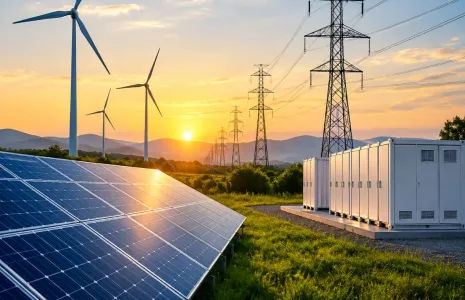
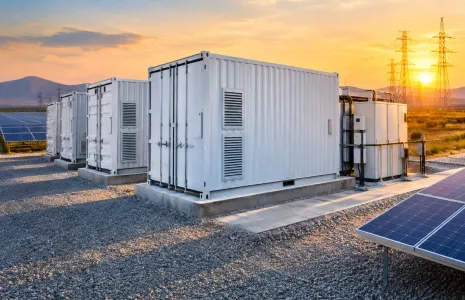
A new industry report by India Energy Storage Alliance (IESA) and Customized Energy Solutions (CES) says India will require 888 GWh of battery energy storage system (BESS) capacity by 2035-36, up from one GWh at present. The report was released at India Energy Storage Week (IESW) in New Delhi, where delegates from 15 countries attended the inaugural session. Organisers said the target positions storage as a core pillar for grid reliability and renewable integration. The event at Yashobhoomi brought over 200 exhibitors and more than 10,000 industry delegates for policy discussion and technical exchange.

The report noted that installed BESS capacity rose from 0.78 GWh in December 2025 to 8.7 GWh in the first half of 2026, an 11-fold increase, and that the country is on track to surpass 10 GWh by year end. It found that 47 GWh of tenders were floated in H1 2026, taking the total tender pipeline to 260 GWh. 18 BESS projects have been commissioned, with 70 per cent of recent capacity additions coming from merchant installations. Industry leaders described storage as indispensable infrastructure for making renewable generation dispatchable and stabilising the grid.

Manufacturing momentum was reported to be accelerating, with current lithium-ion battery cell capacity at around two GWh and announced targets of approximately 110 GWh by 2030. Cell and pack to container capacity is expected to reach 180 to 200 GWh by 2030. Despite global supply chain volatility and upward pressure on battery prices, the sector demonstrated resilience and is now regarded among the fastest growing markets worldwide. Several executives urged a domestic focus on owning the storage value chain and setting cost curves.

Speakers at the summit emphasised the need to integrate storage across generation, transmission, distribution and consumption to build a flexible resilient grid, and stressed that solar combined with BESS will play a central role in the clean energy transition. The report and summit outcomes are likely to inform policy and investment decisions as stakeholders move to scale capacity and manufacturing.

"Join industry leaders at RAHSTA Expo, India's premier platform for roads, highways and traffic infrastructure. Register now to explore innovations, network with experts and shape the future of mobility."

A new industry report by India Energy Storage Alliance (IESA) and Customized Energy Solutions (CES) says India will require 888 GWh of battery energy storage system (BESS) capacity by 2035-36, up from one GWh at present. The report was released at India Energy Storage Week (IESW) in New Delhi, where delegates from 15 countries attended the inaugural session. Organisers said the target positions storage as a core pillar for grid reliability and renewable integration. The event at Yashobhoomi brought over 200 exhibitors and more than 10,000 industry delegates for policy discussion and technical exchange. The report noted that installed BESS capacity rose from 0.78 GWh in December 2025 to 8.7 GWh in the first half of 2026, an 11-fold increase, and that the country is on track to surpass 10 GWh by year end. It found that 47 GWh of tenders were floated in H1 2026, taking the total tender pipeline to 260 GWh. 18 BESS projects have been commissioned, with 70 per cent of recent capacity additions coming from merchant installations. Industry leaders described storage as indispensable infrastructure for making renewable generation dispatchable and stabilising the grid. Manufacturing momentum was reported to be accelerating, with current lithium-ion battery cell capacity at around two GWh and announced targets of approximately 110 GWh by 2030. Cell and pack to container capacity is expected to reach 180 to 200 GWh by 2030. Despite global supply chain volatility and upward pressure on battery prices, the sector demonstrated resilience and is now regarded among the fastest growing markets worldwide. Several executives urged a domestic focus on owning the storage value chain and setting cost curves. Speakers at the summit emphasised the need to integrate storage across generation, transmission, distribution and consumption to build a flexible resilient grid, and stressed that solar combined with BESS will play a central role in the clean energy transition. The report and summit outcomes are likely to inform policy and investment decisions as stakeholders move to scale capacity and manufacturing.

Next Story
Infrastructure Transport

Bhogapuram Airport Set For Take Off After Licence Issued

Union Civil Aviation Minister Kinjarapu Ram Mohan Naidu announced that Alluri Sitharama Raju Bhogapuram International Airport has achieved 100 per cent completion following issuance of its aerodrome licence by the Ministry of Civil Aviation after an inspection with public representatives, district officials and GMR Group representatives. The licence was granted after extensive verification over the past month to ensure that safety and operational standards were met. The Chief Minister's Office has already contacted the Prime Minister's Office to finalise an inauguration date and commercial fli..

Next Story
Infrastructure Urban

Auto Sector To Grow 22-24 Per Cent In Q1 FY27

Credit Rating Information Services of India (Crisil) estimated that India's automobile sector is expected to report revenue growth of 22-24 per cent year-on-year in the first quarter of FY27 and to be among the largest contributors to corporate revenue growth in the quarter. The agency estimated overall corporate revenue to have grown 11-11.5 per cent year-on-year in the quarter ended 30 June 2026, the fastest pace in two years despite supply chain disruptions and higher input costs from the West Asia conflict. This compared with growth of 9.6 per cent in the preceding quarter. Crisil said the..

Next Story
Infrastructure Urban

Nomura Sees Q1 Pressure On Cement Margins; Backs Major Players

Nomura said cement margins will be under pressure in the June quarter as fuel and packaging costs rose, although volume growth is expected to remain healthy. The brokerage forecast six to seven per cent year-on-year organic volume growth for the Indian cement industry in the period, with Shree Cement identified as likely to post the highest growth at 15 per cent year-on-year. It noted that the West and North regions outperformed on pricing, aiding companies with greater exposure in those markets. Average trade prices improved three per cent sequentially to around Rs 326 per bag after price inc..

Advertisement

Subscribe to Our Newsletter

Get daily newsletters around different themes from Construction world.

STAY CONNECTED

Advertisement

Advertisement

Advertisement