India’s Energy Supply Grows 6% In 2024, Solar Leads With 24.5 GW Additions
POWER & RENEWABLE ENERGY

India’s Energy Supply Grows 6% In 2024, Solar Leads With 24.5 GW Additions

India's energy supply grew by 6% in 2024, bolstered by a 10% rise in the first half due to soaring summer demand, followed by a subdued 2% increase in the second half impacted by an above-normal monsoon, according to SBI Capital Markets' (SBICAPS) report "Utility Beyond Utilities: Harnessing Non-Utility Solar." The report noted that renewable energy capacity surpassed the 200 GW milestone, with solar energy driving the growth. 

Renewables recorded an 8% year-on-year rise in capacity in 2024, with solar contributing 24.5 GW and wind adding 3.2 GW. Solar installations more than doubled compared to 2023, and the sector is expected to add 50 GW across FY25 and FY26. However, thermal capacity additions slowed in the first nine months of FY25, raising concerns about meeting targets. 

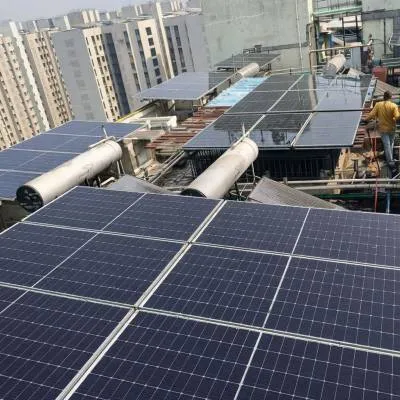
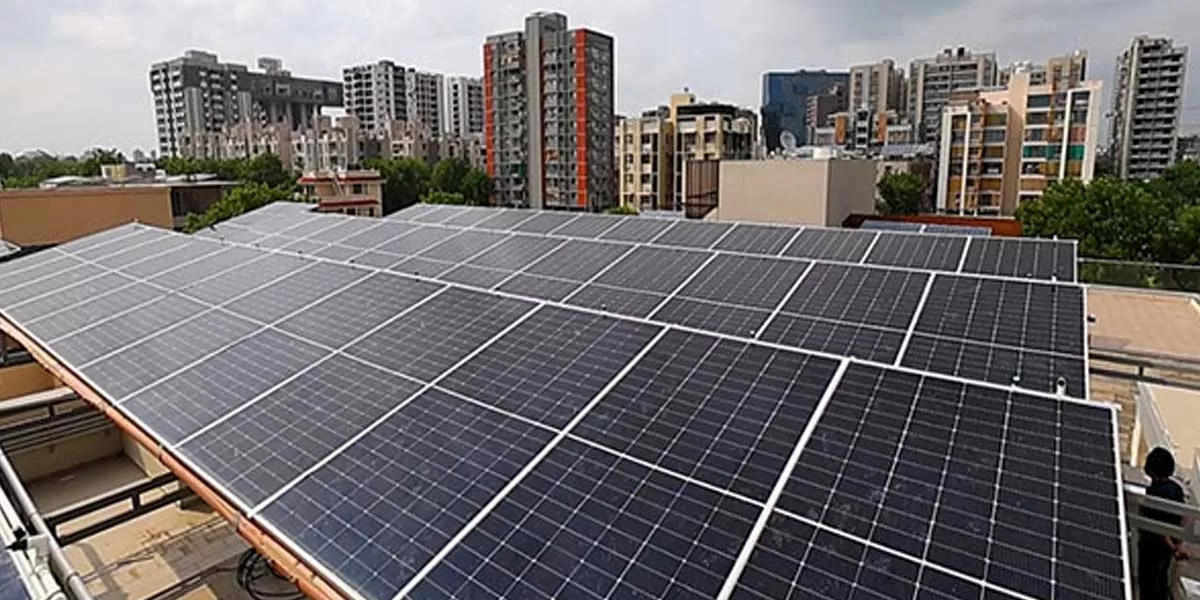
Non-utility solar accounted for 25% of total solar installations in 2024. Rooftop solar capacity rose by 4.6 GW, a 53% increase from 2023, while off-grid solar capacity surged by 197%. The C&I sector accounted for 75% of installed rooftop capacity, benefiting from reduced costs and favorable policies in states like Gujarat, Karnataka, Rajasthan, and Tamil Nadu. 

Residential rooftop solar is expected to become the largest segment under the PM Surya Ghar Muft Bijli Yojana, which targets 30 GW capacity and offers subsidies that reduce payback periods to 4-5 years. The scheme could generate a ?1.2 trillion ecosystem, benefiting manufacturers and project developers. 
The report projects annual non-utility solar additions to reach 20 GW by FY27, underscoring its critical role in achieving green energy security and reducing reliance on fossil fuels. 

India's energy supply grew by 6% in 2024, bolstered by a 10% rise in the first half due to soaring summer demand, followed by a subdued 2% increase in the second half impacted by an above-normal monsoon, according to SBI Capital Markets' (SBICAPS) report Utility Beyond Utilities: Harnessing Non-Utility Solar. The report noted that renewable energy capacity surpassed the 200 GW milestone, with solar energy driving the growth. Renewables recorded an 8% year-on-year rise in capacity in 2024, with solar contributing 24.5 GW and wind adding 3.2 GW. Solar installations more than doubled compared to 2023, and the sector is expected to add 50 GW across FY25 and FY26. However, thermal capacity additions slowed in the first nine months of FY25, raising concerns about meeting targets. Non-utility solar accounted for 25% of total solar installations in 2024. Rooftop solar capacity rose by 4.6 GW, a 53% increase from 2023, while off-grid solar capacity surged by 197%. The C&I sector accounted for 75% of installed rooftop capacity, benefiting from reduced costs and favorable policies in states like Gujarat, Karnataka, Rajasthan, and Tamil Nadu. Residential rooftop solar is expected to become the largest segment under the PM Surya Ghar Muft Bijli Yojana, which targets 30 GW capacity and offers subsidies that reduce payback periods to 4-5 years. The scheme could generate a ?1.2 trillion ecosystem, benefiting manufacturers and project developers. The report projects annual non-utility solar additions to reach 20 GW by FY27, underscoring its critical role in achieving green energy security and reducing reliance on fossil fuels. 

Next Story
Infrastructure Urban

India Expands Semiconductor Training To 500 Institutions

Under the Chips to Startups programme of the India Semiconductor Mission, the Union minister responsible for Railways, Information and Broadcasting, and Electronics and IT reported notable progress in talent development. He indicated that over the past four years substantial steps have been taken towards a 10-year target of training 85,000 engineers in semiconductor design. World-class EDA tools have been deployed in 315 academic institutions across the country to provide students with practical exposure to chip design. These EDA tools are supported by leading global firms and are accessible t..

Next Story
Infrastructure Urban

Delhi Institutions Support India Semiconductor Mission

The Government of India has prioritised talent development through training, upskilling and workforce development under the Chips to Startups initiative of the India Semiconductor Mission, with officials noting progress in four years towards a 10-year target of training 85,000 engineers in semiconductor design. Electronic design automation tools provided by Synopsys, Cadence, Siemens, Renesas, Ansys and AMD have been deployed in 315 academic institutions, enabling students to gain practical chip design experience. Chips have been fabricated and tested at the Semiconductor Laboratory, Mohali, a..

Next Story
Infrastructure Urban

NHA Announces Winners Of NHCX Hackathon At IIT Hyderabad

The National Health Authority (NHA) has concluded the NHCX Hackathon under the Ayushman Bharat Digital Mission (ABDM) to stimulate innovation around the National Health Claims Exchange (NHCX). The winning teams presented their solutions at the NHCX Innovation Meet held at IIT Hyderabad during a two-day event in March 2026 that also served as the hackathon grand finale. The hackathon itself ran from 22 to 28 February 2026 and aimed to accelerate paperless, transparent claims processing across India. The event was organised with a range of ecosystem partners, including the Insurance Regulatory a..

Advertisement

Subscribe to Our Newsletter

Get daily newsletters around different themes from Construction world.

STAY CONNECTED

Advertisement

Advertisement

Advertisement