+
India’s Power Grid Crosses 500,000 Circuit Kilometres
POWER & RENEWABLE ENERGY

India’s Power Grid Crosses 500,000 Circuit Kilometres

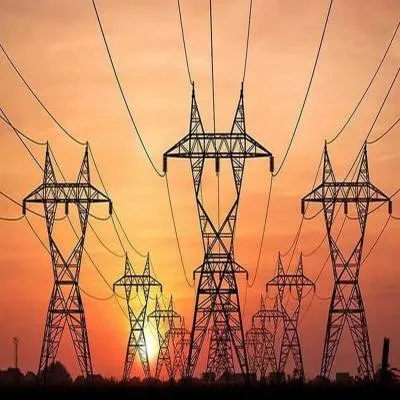
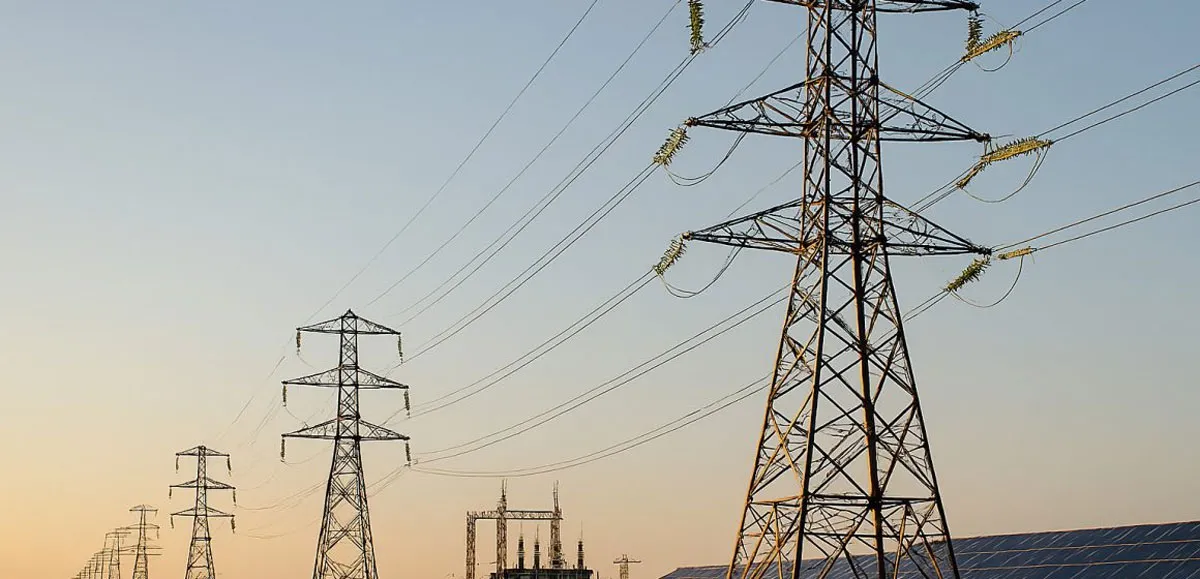
India’s national power transmission network has crossed a major milestone, surpassing 500,000 circuit kilometres of transmission lines at 220 kV and above, along with 1,407 GVA of transformation capacity. The achievement was recorded on 14 January 2026 with the commissioning of a 628 circuit kilometre 765 kV transmission line connecting the Bhadla II and Sikar II substations to evacuate renewable energy from Rajasthan’s Renewable Energy Zone.

With the commissioning of the new transmission line, an additional 1,100 MW of power can be evacuated from the Bhadla, Ramgarh and Fatehgarh solar power complexes, strengthening the integration of renewable energy into the national grid.

Since April 2014, India’s transmission network has expanded by 71.6 per cent with the addition of around 209,000 circuit kilometres of transmission lines at 220 kV and above. During the same period, transformation capacity has increased by 876 GVA, significantly enhancing the country’s ability to handle rising electricity demand.

India’s inter-regional power transfer capacity now stands at 120,340 MW, enabling seamless electricity flow across regions and supporting the vision of “One Nation – One Grid – One Frequency”. The expanded transmission infrastructure is expected to play a crucial role in evacuating growing non-fossil power generation, which India aims to scale up to 500 GW by 2030.

The milestone underscores India’s progress in strengthening its power infrastructure and accelerating the transition towards cleaner energy sources while ensuring grid stability and reliability.

India’s national power transmission network has crossed a major milestone, surpassing 500,000 circuit kilometres of transmission lines at 220 kV and above, along with 1,407 GVA of transformation capacity. The achievement was recorded on 14 January 2026 with the commissioning of a 628 circuit kilometre 765 kV transmission line connecting the Bhadla II and Sikar II substations to evacuate renewable energy from Rajasthan’s Renewable Energy Zone. With the commissioning of the new transmission line, an additional 1,100 MW of power can be evacuated from the Bhadla, Ramgarh and Fatehgarh solar power complexes, strengthening the integration of renewable energy into the national grid. Since April 2014, India’s transmission network has expanded by 71.6 per cent with the addition of around 209,000 circuit kilometres of transmission lines at 220 kV and above. During the same period, transformation capacity has increased by 876 GVA, significantly enhancing the country’s ability to handle rising electricity demand. India’s inter-regional power transfer capacity now stands at 120,340 MW, enabling seamless electricity flow across regions and supporting the vision of “One Nation – One Grid – One Frequency”. The expanded transmission infrastructure is expected to play a crucial role in evacuating growing non-fossil power generation, which India aims to scale up to 500 GW by 2030. The milestone underscores India’s progress in strengthening its power infrastructure and accelerating the transition towards cleaner energy sources while ensuring grid stability and reliability.

Next Story
Infrastructure Transport

Second Mountain Tunnel Breakthrough in Palghar Advances High Speed Rail

The Mumbai-Ahmedabad high speed rail (MAHSR) project reached a milestone with the breakthrough of a mountain tunnel in Palghar, Maharashtra. Mountain tunnel MT-six measures 454 metres long and 14.4 metres wide and will accommodate up and down tracks. The breakthrough follows MT-five near Saphale on second January 2026 and the MT-six excavation was completed from both ends using the New Austrian Tunnelling Method. The ministry reported that the tunnelling was completed within 12 months. The New Austrian Tunnelling Method is favoured for its flexibility in complex geology and irregular tunnel s..

Next Story
Infrastructure Transport

Modi Government Pushes Atmanirbhar Container Drive With BCSL MoU

The Union Government advanced a plan to create an integrated, domestically anchored container ecosystem with the signing of a Memorandum of Understanding to establish the Bharat Container Shipping Line (BCSL). The MoU was signed by key agencies including the Shipping Corporation of India and Container Corporation of India alongside major port authorities and Sagarmala Finance Corporation Limited under the Ministry of Ports, Shipping and Waterways, in the presence of senior ministers. The initiative aligns with the Container Manufacturing Assistance Scheme announced in the Union Budget 2026–2..

Next Story
Infrastructure Urban

Ministry Reports Gains In Mobility For Marginalised Communities

The Ministry of Social Justice and Empowerment is implementing skill development, education and rehabilitation schemes to promote socio-economic mobility and sustainable livelihoods for marginalised and disadvantaged communities across the country. Programmes target Scheduled Castes, Other Backward Classes, Economically Weaker Sections, De-notified Tribes and Safai Karamcharis through specialised implementing corporations and empanelled training institutes. Pradhan Mantri Dakshata Aur Kushalta Sampann Hitgrahi Yojana, or PM-DAKSH, provided skill training and placement support through the Nati..

Advertisement

Subscribe to Our Newsletter

Get daily newsletters around different themes from Construction world.

STAY CONNECTED

Advertisement

Advertisement

Advertisement

Open In App