IRENA Says Solar Wind And Battery Storage Deliver 24/7 Power
POWER & RENEWABLE ENERGY

IRENA Says Solar Wind And Battery Storage Deliver 24/7 Power

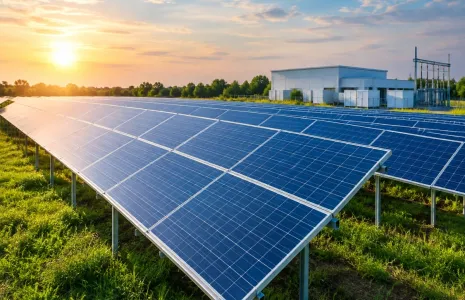
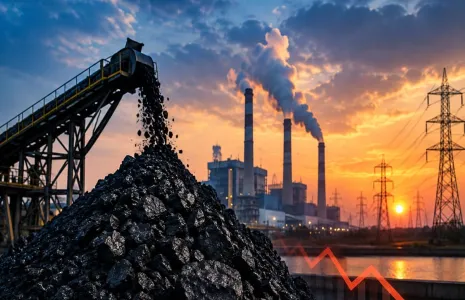
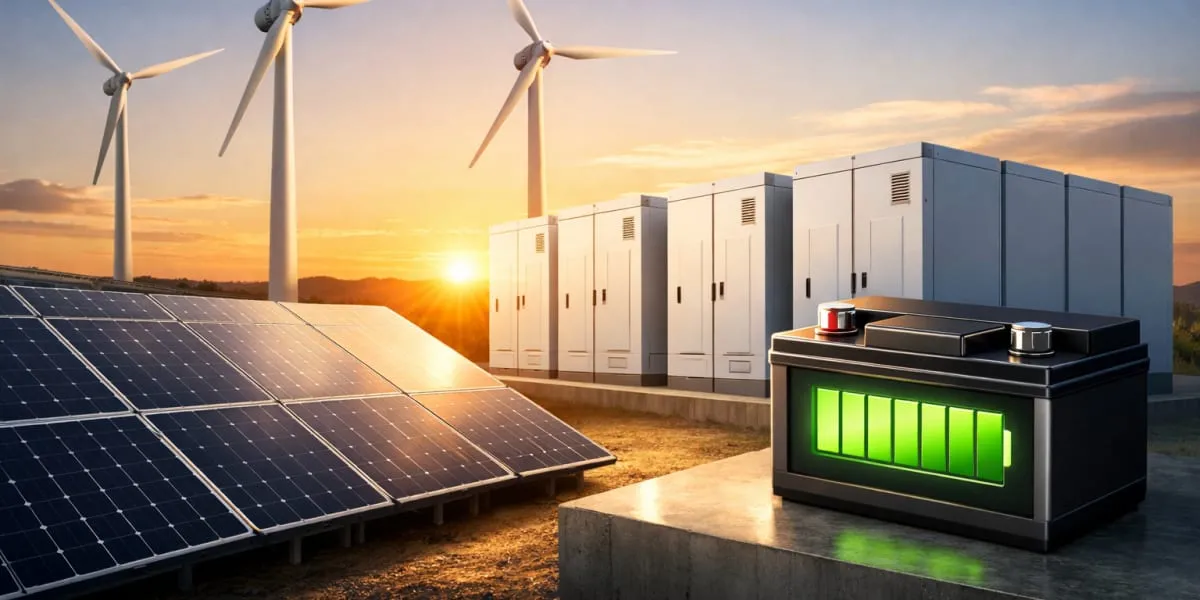
A new report by the International Renewable Energy Agency (IRENA) finds that solar and wind paired with battery storage can deliver reliable round-the-clock electricity at costs increasingly below those of fossil fuels. The study, titled 24/7 Renewables: The Economics of Firm Solar and Wind, shows firm levelised costs for solar-plus-storage ranging from USD 54 to USD 82 per megawatt-hour in high quality regions. New coal in China is cited at USD 70 to USD 85 per megawatt-hour while new gas projects often exceed USD 100 per megawatt-hour. The analysis links these shifts to rapid improvements in battery technology and falling storage costs that are transforming the economics of power generation.

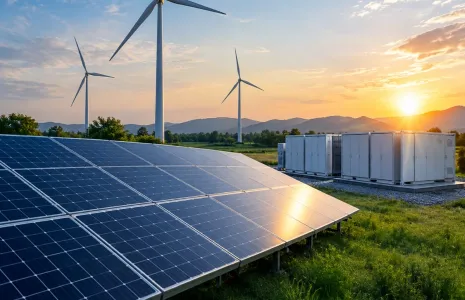
IRENA says hybrid systems combining solar, wind and battery storage are already able to supply continuous power in regions with strong resources, reducing exposure to fuel price swings. The agency records steep cost declines since 2010, with total installed costs for solar photovoltaic projects down by 87 per cent and onshore wind by 55 per cent, while battery storage costs have fallen by about 93 per cent. Project delivery has also accelerated, with many schemes built within one to two years.

The report emphasises that further manufacturing, supply chain and technology improvements will reduce costs further, with firm renewable costs projected to fall by around 30 per cent by 2030 and by nearly 40 per cent by 2035. In some top locations firm renewables could reach costs below USD 50 per megawatt-hour by 2035. Combining wind and solar improves cost efficiency because complementary generation lowers battery needs and enhances system reliability. These systems are expected to support energy intensive sectors such as artificial intelligence and data centres and to enable production of clean fuels for hard to abate industries.

The study notes the Al Dhafra project in the United Arab Emirates as an example, where solar PV plus storage delivers around one gigawatt of firm clean electricity at an estimated cost near USD 70 per megawatt-hour. Firm wind-plus-storage bids in 2025 ranged from about USD 59 per megawatt-hour in Inner Mongolia to roughly USD 88 to USD 94 per megawatt-hour in markets such as Brazil, Germany and Australia. IRENA presents firm renewables as a viable route to affordable, stable and low carbon power that can bolster energy security and the global decarbonisation agenda.

A new report by the International Renewable Energy Agency (IRENA) finds that solar and wind paired with battery storage can deliver reliable round-the-clock electricity at costs increasingly below those of fossil fuels. The study, titled 24/7 Renewables: The Economics of Firm Solar and Wind, shows firm levelised costs for solar-plus-storage ranging from USD 54 to USD 82 per megawatt-hour in high quality regions. New coal in China is cited at USD 70 to USD 85 per megawatt-hour while new gas projects often exceed USD 100 per megawatt-hour. The analysis links these shifts to rapid improvements in battery technology and falling storage costs that are transforming the economics of power generation. IRENA says hybrid systems combining solar, wind and battery storage are already able to supply continuous power in regions with strong resources, reducing exposure to fuel price swings. The agency records steep cost declines since 2010, with total installed costs for solar photovoltaic projects down by 87 per cent and onshore wind by 55 per cent, while battery storage costs have fallen by about 93 per cent. Project delivery has also accelerated, with many schemes built within one to two years. The report emphasises that further manufacturing, supply chain and technology improvements will reduce costs further, with firm renewable costs projected to fall by around 30 per cent by 2030 and by nearly 40 per cent by 2035. In some top locations firm renewables could reach costs below USD 50 per megawatt-hour by 2035. Combining wind and solar improves cost efficiency because complementary generation lowers battery needs and enhances system reliability. These systems are expected to support energy intensive sectors such as artificial intelligence and data centres and to enable production of clean fuels for hard to abate industries. The study notes the Al Dhafra project in the United Arab Emirates as an example, where solar PV plus storage delivers around one gigawatt of firm clean electricity at an estimated cost near USD 70 per megawatt-hour. Firm wind-plus-storage bids in 2025 ranged from about USD 59 per megawatt-hour in Inner Mongolia to roughly USD 88 to USD 94 per megawatt-hour in markets such as Brazil, Germany and Australia. IRENA presents firm renewables as a viable route to affordable, stable and low carbon power that can bolster energy security and the global decarbonisation agenda.

Next Story
Infrastructure Urban

Blue Dart posts revenue growth in FY26 on e-commerce and B2B demand

Blue Dart Express Limited, South Asia’s express air and integrated transportation and distribution company, has reported year-on-year growth in revenue for the financial year ended March 31, 2026, driven by strong momentum in e-commerce shipments and B2B surface express solutions.Announcing its financial results after the Board Meeting held in Mumbai, the company said revenue from operations rose to Rs 6,141 crore in FY2025–26, compared to Rs 5,720 crore in FY2024–25. Profit after tax for the year stood at Rs 240 crore.For the quarter ended March 31, 2026, Blue Dart reported revenue from..

Next Story
Infrastructure Urban

Terex launches TRAC vibration analysis system

Terex®, a global provider of specialised equipment solutions, has launched TRAC, a new vibration analysis system designed to deliver deeper insight into the performance, condition and long-term structural integrity of screening equipment.Announced in Hosur on May 11, 2026, the TRAC system is now available across screening equipment offered under Terex Materials Processing (MP) brands, including Powerscreen®, Finlay®, EvoQuip®, MDS®, Terex® Washing Systems, Terex® MPS (Cedarapids®, Simplicity®), MAGNA™ and Terex® Ecotec.Developed specifically for vibratory screening equipment by Ter..

Next Story
Infrastructure Urban

ADIO partners Motherson to set up large automotive components hub in KEZAD

The Abu Dhabi Investment Office (ADIO) has announced its support for Samvardhana Motherson International Limited’s (Motherson) new manufacturing hub in Abu Dhabi, marking a major step in strengthening the emirate’s position as a global centre for advanced manufacturing and automotive supply chains.ADIO said the partnership aligns with its strategy to accelerate high-value industrial investments and build resilient supply chains across priority sectors, further reinforcing Abu Dhabi’s competitiveness as a regional and global manufacturing and export hub.Under the partnership, a large-scal..

Advertisement

Subscribe to Our Newsletter

Get daily newsletters around different themes from Construction world.

STAY CONNECTED

Advertisement

Advertisement

Advertisement