JSL seeking partners to build 300 MW solar & wind capacities
POWER & RENEWABLE ENERGY

JSL seeking partners to build 300 MW solar & wind capacities

Jindal stainless (JSL) is taking a host of measures to reduce carbon emissions of its present and planned capacities, which includes setting up renewable energy capacities, Managing director Abhyuday Jindal said.

During FY22, JSL reduced its carbon emission by 3,100 metric tonnes and initiated a switch from a thermal energy intensive manufacturing setup to renewable energy alternatives such as solar and wind power. “Continuing forward, we are taking proactive steps to decarbonise and reduce carbon emission of our present and planned capacities. The move is aimed to support the government’s mission of carbon-neutrality,” he said.

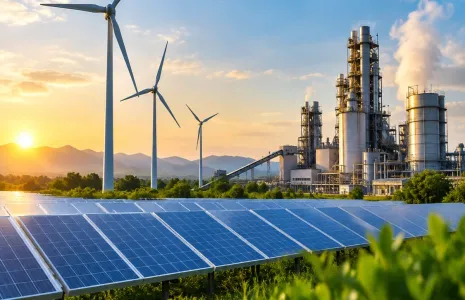
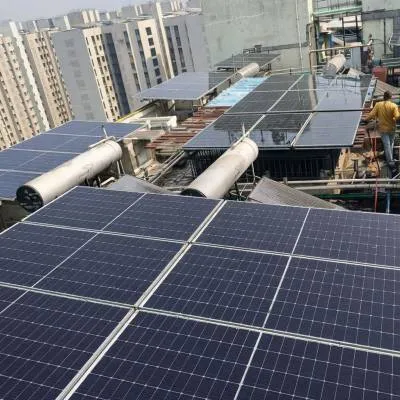
In the renewable energy space, JSL is looking for partners to set up 300 MW solar and wind capacities in states like Odisha, Haryana, Rajasthan, adding that the talks with a few players are already underway. The investment will be through joint ventures which will be formed post finalisation of the keen parties.

The company has also partnered with Hygenco India Private Limited to set up a green hydrogen plant. The unit plant will help the company to reduce its carbon emission by nearly 2,700 MT per annum, the MD said.

“we are the first and only stainless steel company in India to install a green hydrogen plant,” he said.

Besides, his company has partnered with EY India to solidify ESG (environmental, Social and Governance) goals.

As part of the partnership, JSL and EY will work seamlessly to carve out a strategic road map for achieving decarbonisation, evaluate continuous upgrades and adopt clean technologies strategy, improve ESG performance, embrace digitalization of business processes, initiate GHG (greenhouse gases) accounting etc.

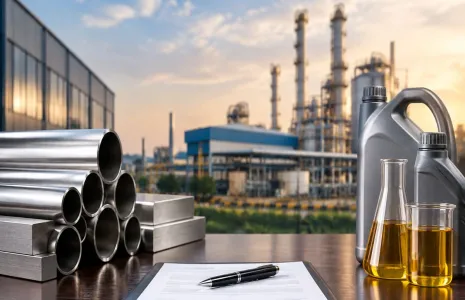
Jindal stainless has a stainless steel melting capacity of 1.9 million metric tonnes MMT at its Hisar and Jajpur manufacturing facilities. The company has planned a capacity expansion at its Jajpur facility by FY23 and take the total melting capacity to 2.9 MMT.

The energy generated from the solar, wind and hydrogen units will be used in various processes of stainless steel making the plants, he said.

“We firmly believe that efficient and immediate efforts towards sustainability, social upliftment, good governance, decarbonisation, waste management and digital prowess are inevitable to build long term value for all our stakeholders and achieve a circular economy,” Jindal added.

See also:
Jindal Stainless to set up green hydrogen plant
Jindal Stainless moving rapidly to achieve green goals
Hygenco enters into green hydrogen agreement with Jindal Stainless


Jindal stainless (JSL) is taking a host of measures to reduce carbon emissions of its present and planned capacities, which includes setting up renewable energy capacities, Managing director Abhyuday Jindal said. During FY22, JSL reduced its carbon emission by 3,100 metric tonnes and initiated a switch from a thermal energy intensive manufacturing setup to renewable energy alternatives such as solar and wind power. “Continuing forward, we are taking proactive steps to decarbonise and reduce carbon emission of our present and planned capacities. The move is aimed to support the government’s mission of carbon-neutrality,” he said. In the renewable energy space, JSL is looking for partners to set up 300 MW solar and wind capacities in states like Odisha, Haryana, Rajasthan, adding that the talks with a few players are already underway. The investment will be through joint ventures which will be formed post finalisation of the keen parties. The company has also partnered with Hygenco India Private Limited to set up a green hydrogen plant. The unit plant will help the company to reduce its carbon emission by nearly 2,700 MT per annum, the MD said. “we are the first and only stainless steel company in India to install a green hydrogen plant,” he said. Besides, his company has partnered with EY India to solidify ESG (environmental, Social and Governance) goals. As part of the partnership, JSL and EY will work seamlessly to carve out a strategic road map for achieving decarbonisation, evaluate continuous upgrades and adopt clean technologies strategy, improve ESG performance, embrace digitalization of business processes, initiate GHG (greenhouse gases) accounting etc. Jindal stainless has a stainless steel melting capacity of 1.9 million metric tonnes MMT at its Hisar and Jajpur manufacturing facilities. The company has planned a capacity expansion at its Jajpur facility by FY23 and take the total melting capacity to 2.9 MMT. The energy generated from the solar, wind and hydrogen units will be used in various processes of stainless steel making the plants, he said. “We firmly believe that efficient and immediate efforts towards sustainability, social upliftment, good governance, decarbonisation, waste management and digital prowess are inevitable to build long term value for all our stakeholders and achieve a circular economy,” Jindal added. See also: Jindal Stainless to set up green hydrogen plant Jindal Stainless moving rapidly to achieve green goalsHygenco enters into green hydrogen agreement with Jindal Stainless

Next Story
Infrastructure Urban

India Expands Semiconductor Training To 500 Institutions

Under the Chips to Startups programme of the India Semiconductor Mission, the Union minister responsible for Railways, Information and Broadcasting, and Electronics and IT reported notable progress in talent development. He indicated that over the past four years substantial steps have been taken towards a 10-year target of training 85,000 engineers in semiconductor design. World-class EDA tools have been deployed in 315 academic institutions across the country to provide students with practical exposure to chip design. These EDA tools are supported by leading global firms and are accessible t..

Next Story
Infrastructure Urban

Delhi Institutions Support India Semiconductor Mission

The Government of India has prioritised talent development through training, upskilling and workforce development under the Chips to Startups initiative of the India Semiconductor Mission, with officials noting progress in four years towards a 10-year target of training 85,000 engineers in semiconductor design. Electronic design automation tools provided by Synopsys, Cadence, Siemens, Renesas, Ansys and AMD have been deployed in 315 academic institutions, enabling students to gain practical chip design experience. Chips have been fabricated and tested at the Semiconductor Laboratory, Mohali, a..

Next Story
Infrastructure Urban

NHA Announces Winners Of NHCX Hackathon At IIT Hyderabad

The National Health Authority (NHA) has concluded the NHCX Hackathon under the Ayushman Bharat Digital Mission (ABDM) to stimulate innovation around the National Health Claims Exchange (NHCX). The winning teams presented their solutions at the NHCX Innovation Meet held at IIT Hyderabad during a two-day event in March 2026 that also served as the hackathon grand finale. The hackathon itself ran from 22 to 28 February 2026 and aimed to accelerate paperless, transparent claims processing across India. The event was organised with a range of ecosystem partners, including the Insurance Regulatory a..

Advertisement

Subscribe to Our Newsletter

Get daily newsletters around different themes from Construction world.

STAY CONNECTED

Advertisement

Advertisement

Advertisement