JSW Energy Acquires KSK Mahanadi Power Plant for Rs 159.85 Bn
POWER & RENEWABLE ENERGY

JSW Energy Acquires KSK Mahanadi Power Plant for Rs 159.85 Bn

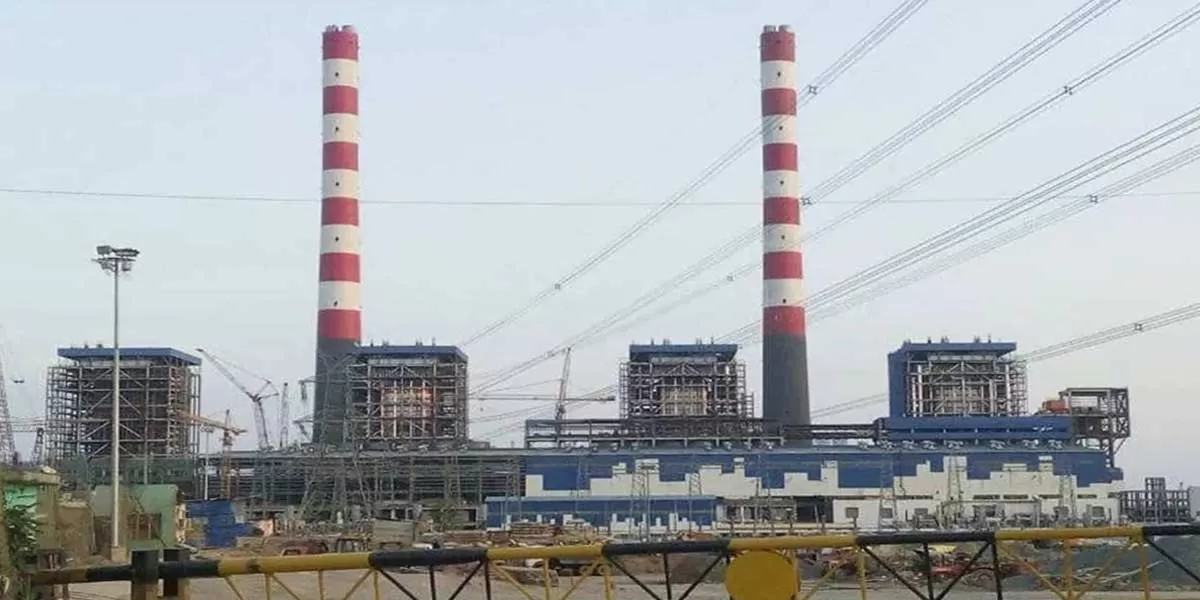
JSW Energy has successfully acquired the bankrupt KSK Mahanadi Power Company under the corporate insolvency resolution process of the Insolvency and Bankruptcy Code, 2016. The acquisition was finalised after JSW Energy offered Rs 15,985 crore to the company’s financial creditors, outbidding competitors Adani Power and NTPC. KSK Mahanadi, based in Chhattisgarh, operates a 3,600 MW thermal power plant, which uses domestic coal for generation. Currently, 1,800 MW (comprising three 600 MW units) is operational and fully contracted under long- and medium-term power purchase agreements (PPAs). An additional 1,800 MW (three 600 MW units) is under construction, with one unit 40% complete, and preparations are in place for the remaining 1,200 MW. The plant has secure arrangements for coal and water supply for the full 3,600 MW capacity.

KSK Mahanadi entered the debt resolution process in 2020 after defaulting on payments, with claims amounting to Rs 29,330 crore from its lenders. Various banks, including the State Bank of India, transferred their loans to asset reconstruction companies to recover their dues. The plant’s financial troubles were worsened by inadequate coal supplies. Following the acquisition, JSW Energy’s total thermal generation capacity now stands at 7.5 GW, with a total locked-in generation capacity of 28.2 GW. This acquisition places JSW Energy on track to meet its 20 GW target by 2030 and aligns with its commitment to achieving net-zero emissions by 2050.

JSW Energy has successfully acquired the bankrupt KSK Mahanadi Power Company under the corporate insolvency resolution process of the Insolvency and Bankruptcy Code, 2016. The acquisition was finalised after JSW Energy offered Rs 15,985 crore to the company’s financial creditors, outbidding competitors Adani Power and NTPC. KSK Mahanadi, based in Chhattisgarh, operates a 3,600 MW thermal power plant, which uses domestic coal for generation. Currently, 1,800 MW (comprising three 600 MW units) is operational and fully contracted under long- and medium-term power purchase agreements (PPAs). An additional 1,800 MW (three 600 MW units) is under construction, with one unit 40% complete, and preparations are in place for the remaining 1,200 MW. The plant has secure arrangements for coal and water supply for the full 3,600 MW capacity. KSK Mahanadi entered the debt resolution process in 2020 after defaulting on payments, with claims amounting to Rs 29,330 crore from its lenders. Various banks, including the State Bank of India, transferred their loans to asset reconstruction companies to recover their dues. The plant’s financial troubles were worsened by inadequate coal supplies. Following the acquisition, JSW Energy’s total thermal generation capacity now stands at 7.5 GW, with a total locked-in generation capacity of 28.2 GW. This acquisition places JSW Energy on track to meet its 20 GW target by 2030 and aligns with its commitment to achieving net-zero emissions by 2050.

Next Story
Infrastructure Transport

India Becomes First to Produce Bio-Bitumen for Roads

India has become the first country in the world to commercially produce bio-bitumen for use in road construction, according to Road, Transport and Highways Minister Nitin Gadkari. Bitumen, a black and viscous hydrocarbon derived from crude oil, is a key binding material in road building, and the bio-based alternative is expected to significantly improve the sector’s environmental footprint.Addressing the CSIR Technology Transfer Ceremony in New Delhi, Mr Gadkari congratulated Council of Scientific and Industrial Research on achieving the milestone, noting that the initiative would help curb ..

Next Story
Infrastructure Urban

HILT Policy Seen Boosting Telangana Revenue Sharply

The Hyderabad Industrial Land Transformation (HILT) Policy is expected to generate around Rs 1.08 billion in revenue for the Telangana state exchequer, according to Deputy Chief Minister Bhatti Vikramarka Mallu. Speaking in the Telangana Legislative Assembly, he said the policy would be implemented within a six-month timeframe in a transparent manner, with uniform rules applicable to all stakeholders. Mr Vikramarka noted that without the HILT Policy, the state would have earned only about Rs 1.2 million per acre. Under the new framework, however, revenue is projected to rise sharply to Rs 70 ..

Next Story
Infrastructure Urban

India Post, MoRD Tie Up to Boost Rural Inclusion

The Department of Posts and the Ministry of Rural Development have signed a Memorandum of Understanding to accelerate rural transformation and expand financial, digital and logistics services for Self-Help Groups (SHGs) and rural households across India. The agreement was signed in the presence of Union Minister of Communications and Development of North Eastern Region Jyotiraditya M. Scindia and Union Minister of Rural Development and Agriculture and Farmers’ Welfare Shivraj Singh Chouhan. The collaboration aligns with the government’s “Dak Sewa, Jan Sewa” vision and seeks to repositi..

Advertisement

Subscribe to Our Newsletter

Get daily newsletters around different themes from Construction world.

STAY CONNECTED

Advertisement

Advertisement

Advertisement

Advertisement

Open In App