Karnataka Milk Federation Invites Bids for 110 MW Solar Project
POWER & RENEWABLE ENERGY

Karnataka Milk Federation Invites Bids for 110 MW Solar Project

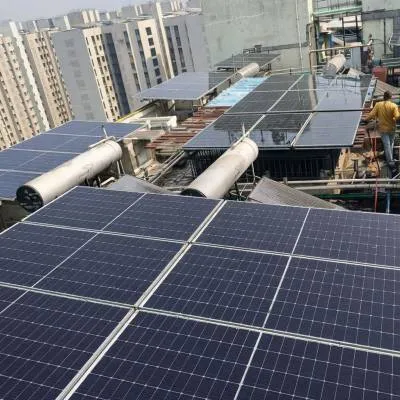
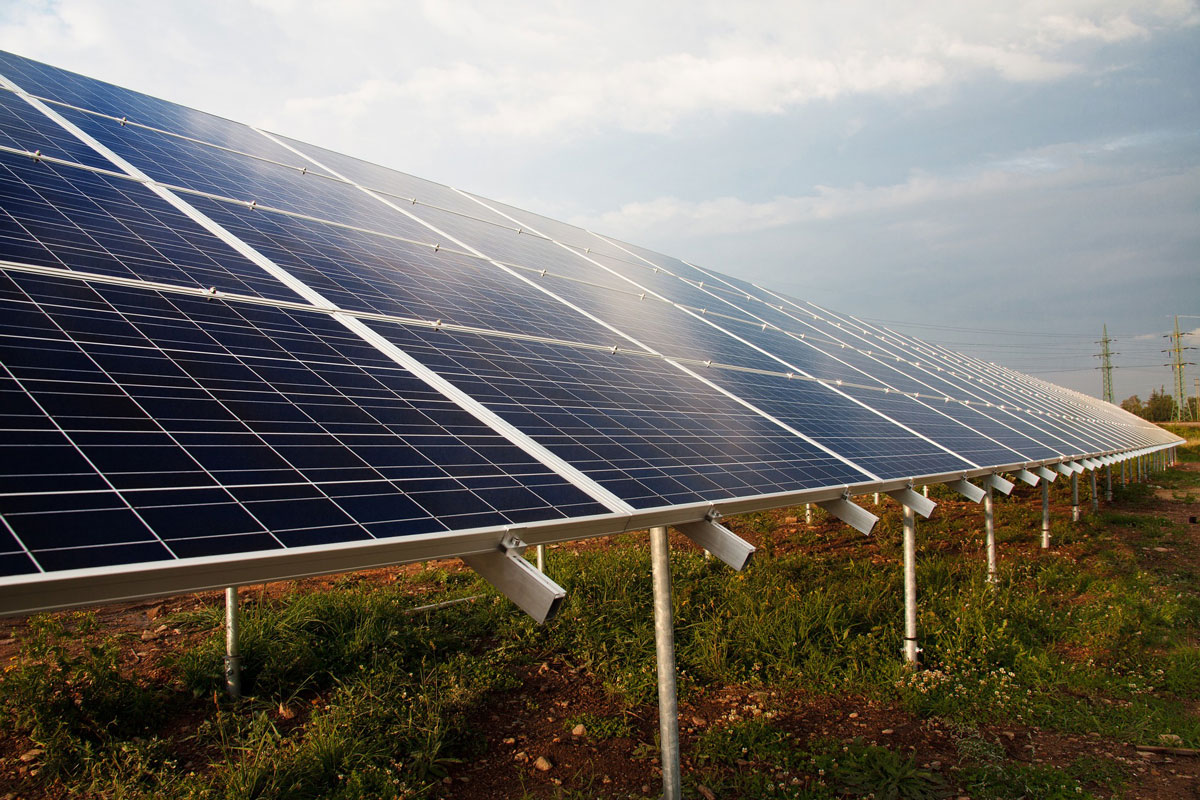
The Karnataka Cooperative Milk Producers’ Federation (KMF) has invited bids for the implementation of a 110 MW solar power project in group captive mode. The scope of the work includes design, finance, installation, and commissioning, along with operation and maintenance for 25 years. The last date for the submission of bids is February 24, 2023. Bids will be opened on February 27.

KMF expects to save about 30-35% on its electricity bills by implementing the solar project Bidders should submit an earnest money deposit of ₹43 million (~$522,263). The successful bidder must furnish a security deposit equivalent to 7.8% of the contract price. KMF will procure 80% of the contracted capacity from the power project set up by a special purpose vehicle annually throughout the 25 years of the power purchase agreement.

The project cost and the tariff should reflect the requisite capacity to meet the requirement of 132.22 million units (MU) of power for 25 years. The project capacity may vary from 110 MW, and the award will depend on the acceptability of the tariff by the member unions and the expected savings from the group captive open-access solar power project. KMF has stated that if it includes bulk milk chilling units, the project size may go up to 115 MW or 185 MUs before awarding the project.

In September 2022, KMF issued a request for proposal for project management consultancy services to assist the federation in setting up an approximately 100 MW group captive open-access solar power project. In the same month, the Tamil Nadu Cooperative Milk Producers Federation issued a tender to procure 20 GWh of solar power per year through open-access projects for five years.

Also Read
PWD suggest alternative proposal for Panhala road
Funding for national highway projects in Karnataka announced

The Karnataka Cooperative Milk Producers’ Federation (KMF) has invited bids for the implementation of a 110 MW solar power project in group captive mode. The scope of the work includes design, finance, installation, and commissioning, along with operation and maintenance for 25 years. The last date for the submission of bids is February 24, 2023. Bids will be opened on February 27. KMF expects to save about 30-35% on its electricity bills by implementing the solar project Bidders should submit an earnest money deposit of ₹43 million (~$522,263). The successful bidder must furnish a security deposit equivalent to 7.8% of the contract price. KMF will procure 80% of the contracted capacity from the power project set up by a special purpose vehicle annually throughout the 25 years of the power purchase agreement. The project cost and the tariff should reflect the requisite capacity to meet the requirement of 132.22 million units (MU) of power for 25 years. The project capacity may vary from 110 MW, and the award will depend on the acceptability of the tariff by the member unions and the expected savings from the group captive open-access solar power project. KMF has stated that if it includes bulk milk chilling units, the project size may go up to 115 MW or 185 MUs before awarding the project. In September 2022, KMF issued a request for proposal for project management consultancy services to assist the federation in setting up an approximately 100 MW group captive open-access solar power project. In the same month, the Tamil Nadu Cooperative Milk Producers Federation issued a tender to procure 20 GWh of solar power per year through open-access projects for five years. Also Read PWD suggest alternative proposal for Panhala road Funding for national highway projects in Karnataka announced

Next Story
Infrastructure Urban

India Expands Semiconductor Training To 500 Institutions

Under the Chips to Startups programme of the India Semiconductor Mission, the Union minister responsible for Railways, Information and Broadcasting, and Electronics and IT reported notable progress in talent development. He indicated that over the past four years substantial steps have been taken towards a 10-year target of training 85,000 engineers in semiconductor design. World-class EDA tools have been deployed in 315 academic institutions across the country to provide students with practical exposure to chip design. These EDA tools are supported by leading global firms and are accessible t..

Next Story
Infrastructure Urban

Delhi Institutions Support India Semiconductor Mission

The Government of India has prioritised talent development through training, upskilling and workforce development under the Chips to Startups initiative of the India Semiconductor Mission, with officials noting progress in four years towards a 10-year target of training 85,000 engineers in semiconductor design. Electronic design automation tools provided by Synopsys, Cadence, Siemens, Renesas, Ansys and AMD have been deployed in 315 academic institutions, enabling students to gain practical chip design experience. Chips have been fabricated and tested at the Semiconductor Laboratory, Mohali, a..

Next Story
Infrastructure Urban

NHA Announces Winners Of NHCX Hackathon At IIT Hyderabad

The National Health Authority (NHA) has concluded the NHCX Hackathon under the Ayushman Bharat Digital Mission (ABDM) to stimulate innovation around the National Health Claims Exchange (NHCX). The winning teams presented their solutions at the NHCX Innovation Meet held at IIT Hyderabad during a two-day event in March 2026 that also served as the hackathon grand finale. The hackathon itself ran from 22 to 28 February 2026 and aimed to accelerate paperless, transparent claims processing across India. The event was organised with a range of ecosystem partners, including the Insurance Regulatory a..

Advertisement

Subscribe to Our Newsletter

Get daily newsletters around different themes from Construction world.

STAY CONNECTED

Advertisement

Advertisement

Advertisement