Kerala Installs First Decentralised Solar-Powered BESS
POWER & RENEWABLE ENERGY

Kerala Installs First Decentralised Solar-Powered BESS

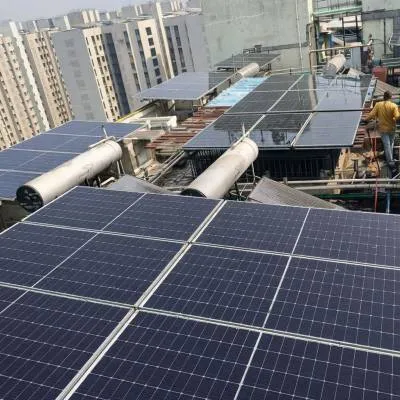
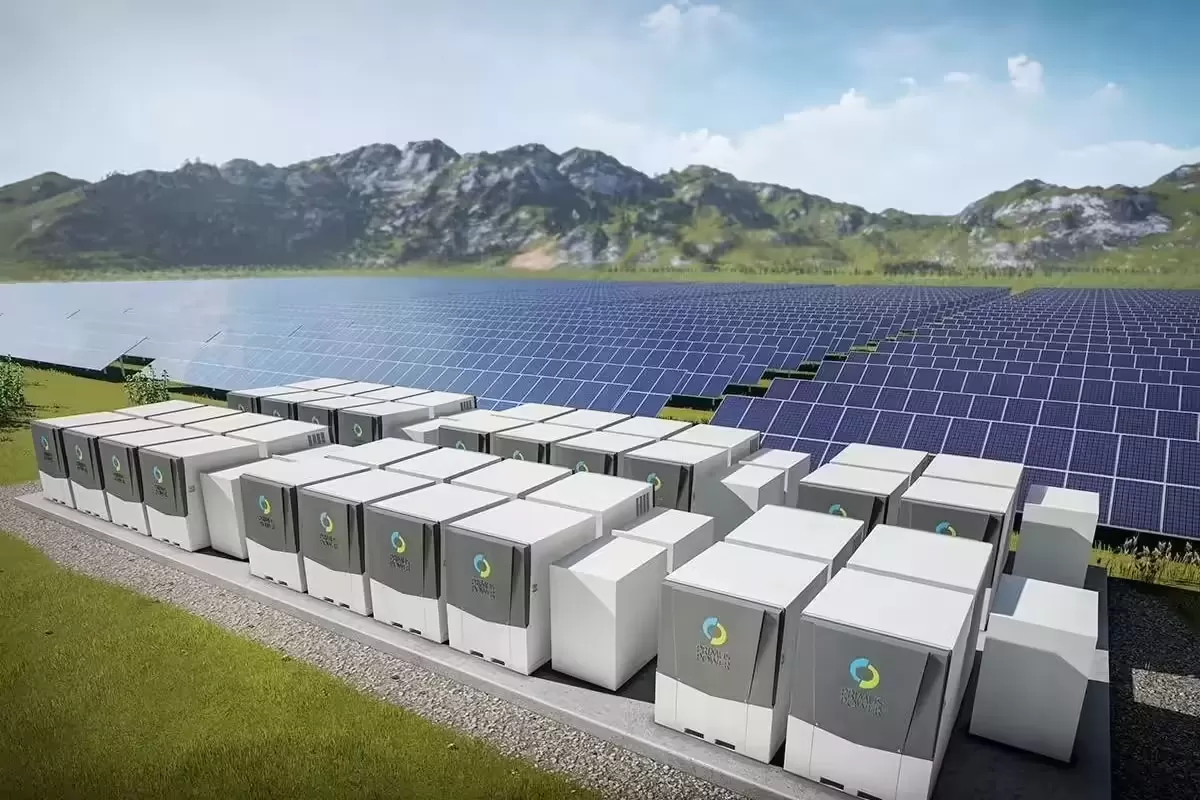
Kerala has taken a significant step towards energy resilience with the installation of its first decentralised, solar-powered, grid-interactive Battery Energy Storage System (BESS) at the PMG headquarters of the Agency for New and Renewable Energy Research and Technology (Anert).

The system is capable of powering loads of up to 100 kilowatts (kW) and is equipped with a 150 kilowatt-hour (kWh) battery bank. This enables uninterrupted power supply for up to 90 minutes at full load in the event of outages in solar generation or grid electricity.

The BESS unit was inaugurated by Electricity Minister K. Krishnankutty, alongside a demonstration of Vehicle-to-Grid (V2G) technology.

Features and Advantages
The prefabricated BESS module includes:
Power supply and distribution systems
Real-time monitoring and control
Fire protection and environmental control
Integrated Battery Management System (BMS) and Energy Management System (EMS)
Designed to replace diesel generators, the system ensures round-the-clock energy supply using only renewable sources and storage. It also enables energy export during peak hours and supports electric vehicle (EV) charging.
One of its key innovations is mobility—in an emergency, the BESS can be disconnected and transported to re-power another building or site.
During grid failures, the BESS switches to off-grid mode, maintaining uninterrupted operation. Once the grid is restored, the system reverts seamlessly to its original state.

State-wide Focus on Energy Storage
With Kerala witnessing a rapid increase in solar capacity, energy agencies including the Kerala State Electricity Board (KSEB) are ramping up efforts in BESS and pumped storage projects (PSPs).
A recent discussion paper from the Kerala State Electricity Regulatory Commission highlighted the growing relevance of BESS in storing excess solar energy generated during low-demand periods and releasing it during peak hours.

"Join industry leaders at RAHSTA Expo, India's premier platform for roads, highways and traffic infrastructure. Register now to explore innovations, network with experts and shape the future of mobility."

Kerala has taken a significant step towards energy resilience with the installation of its first decentralised, solar-powered, grid-interactive Battery Energy Storage System (BESS) at the PMG headquarters of the Agency for New and Renewable Energy Research and Technology (Anert).The system is capable of powering loads of up to 100 kilowatts (kW) and is equipped with a 150 kilowatt-hour (kWh) battery bank. This enables uninterrupted power supply for up to 90 minutes at full load in the event of outages in solar generation or grid electricity.The BESS unit was inaugurated by Electricity Minister K. Krishnankutty, alongside a demonstration of Vehicle-to-Grid (V2G) technology.Features and AdvantagesThe prefabricated BESS module includes:Power supply and distribution systemsReal-time monitoring and controlFire protection and environmental controlIntegrated Battery Management System (BMS) and Energy Management System (EMS)Designed to replace diesel generators, the system ensures round-the-clock energy supply using only renewable sources and storage. It also enables energy export during peak hours and supports electric vehicle (EV) charging.One of its key innovations is mobility—in an emergency, the BESS can be disconnected and transported to re-power another building or site.During grid failures, the BESS switches to off-grid mode, maintaining uninterrupted operation. Once the grid is restored, the system reverts seamlessly to its original state.State-wide Focus on Energy StorageWith Kerala witnessing a rapid increase in solar capacity, energy agencies including the Kerala State Electricity Board (KSEB) are ramping up efforts in BESS and pumped storage projects (PSPs).A recent discussion paper from the Kerala State Electricity Regulatory Commission highlighted the growing relevance of BESS in storing excess solar energy generated during low-demand periods and releasing it during peak hours.

Next Story
Real Estate

Pecan Realty Completes Rs 1.5 Billion Transactions

Pecan Realty has recently completed four institutional transactions worth over Rs 1.5 billion over the past two years, strengthening its position as an execution-led real estate platform. The deals include resolution-led acquisitions, structured finance transactions and capital partnerships across its development portfolio.The transactions covered acquisitions through the National Company Law Tribunal process and helped provide repayment or exits to both private and public sector lenders. The company said the deals demonstrate its ability to resolve complex project situations, work with instit..

Next Story
Real Estate

SNN Estates Expands North Bengaluru Housing Project

SNN Estates has announced an expansion of its SNN Estates Felicity residential project in North Bengaluru following strong buyer demand, with 75 per cent of the first-phase inventory sold within three days of launch.The developer will add 76 apartments in the new phase, taking the project's estimated revenue potential to around Rs 1,000 crore upon completion of Phase 2.Spread across 6.5 acres in Rachenahalli, near Manyata Tech Park, the project comprises 604 apartments in 1.5, 2, 2.5, 3 and 4 BHK configurations. The development includes a 50,000-sq-ft clubhouse with amenities such as sports co..

Next Story
Infrastructure Urban

SCG Drives ASEAN Industrial Transformation Strategy

SCG is strengthening its focus on ASEAN as a key growth region by advancing industrial transformation, enhancing competitiveness and building resilient regional value chains. Thammasak Sethaudom, President and Chief Executive Officer, SCG, highlighted the need for industries to continuously develop capabilities, strengthen resilience and deepen regional cooperation to achieve sustainable long-term growth.SCG views ASEAN as an important growth engine alongside China, supported by favourable demographics, trade connectivity and investment flows. With ASEAN’s GDP projected to grow by around 4.7..

Advertisement

Subscribe to Our Newsletter

Get daily newsletters around different themes from Construction world.

STAY CONNECTED

Advertisement

Advertisement

Advertisement