+
KPTCL Deploys Drones For High Voltage Transmission Maintenance
POWER & RENEWABLE ENERGY

KPTCL Deploys Drones For High Voltage Transmission Maintenance

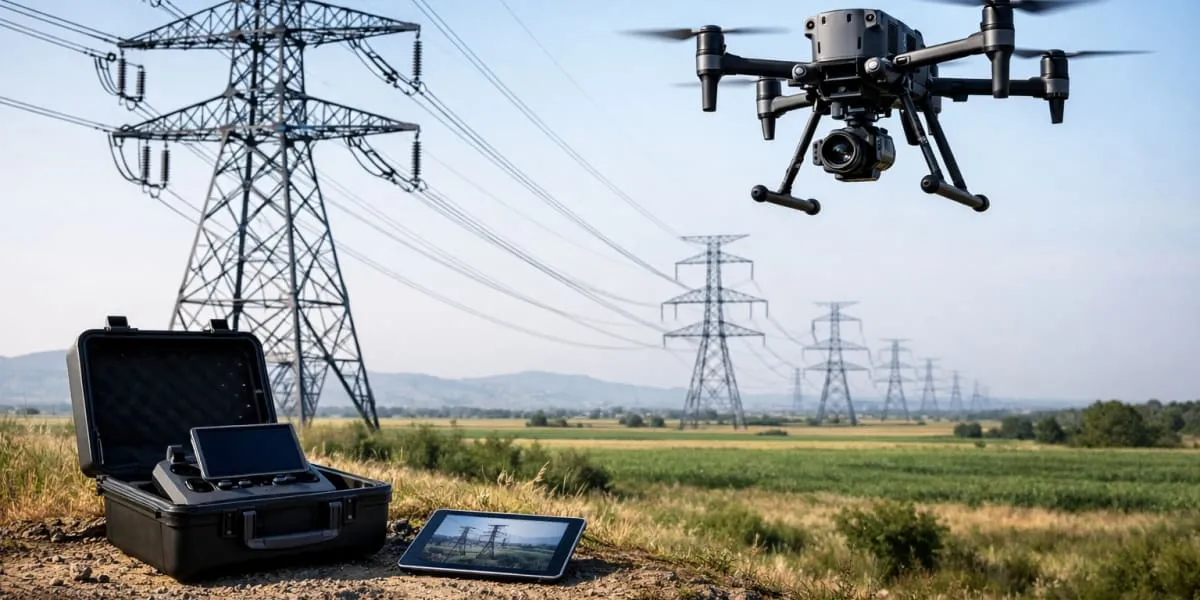
The Karnataka Power Transmission Corporation Limited (KPTCL) has deployed advanced drone technology to inspect high voltage and extra high voltage transmission corridors across the state. The initiative has enabled the inspection of more than 11,000 transmission towers and the identification and rectification of over 0.15 mn technical defects. It has also produced a reported 85 per cent reduction in transmission related power outages. The programme forms part of the utility's broader digital transformation drive.

Drones fitted with thermal imaging and LiDAR systems now conduct comprehensive 360 degree surveys of transmission assets in a fraction of the time taken by conventional methods. The enhanced imagery and scanning capability allow engineers to detect small defects that are invisible to the naked eye and to prioritise interventions. Remote sensing reduces the need for prolonged manual inspections on live lines. Inspection data is integrated into asset management systems to inform maintenance planning.

Energy Minister K J George noted that inspecting a vast transmission network spanning nearly 45,000 kilometres through conventional methods is time consuming and that the employment of technology is therefore vital. He described the drone deployment as enabling faster identification of faults and facilitating inspection led intervention across the grid. Achieving an 85 per cent reduction in outages through these measures was characterised by officials as a major milestone. The approach has supported more targeted repairs and improved operational oversight.

The programme is expected to continue expanding to cover additional corridors and to refine analytics for predictive maintenance. Faster inspections have reduced the duration of field campaigns and helped improve service reliability for consumers. The integration of drone inspection workflows with existing maintenance protocols has created efficiencies in scheduling and resource allocation. Officials said the initiative demonstrates how digital tools can enhance grid resilience and safety.

The Karnataka Power Transmission Corporation Limited (KPTCL) has deployed advanced drone technology to inspect high voltage and extra high voltage transmission corridors across the state. The initiative has enabled the inspection of more than 11,000 transmission towers and the identification and rectification of over 0.15 mn technical defects. It has also produced a reported 85 per cent reduction in transmission related power outages. The programme forms part of the utility's broader digital transformation drive. Drones fitted with thermal imaging and LiDAR systems now conduct comprehensive 360 degree surveys of transmission assets in a fraction of the time taken by conventional methods. The enhanced imagery and scanning capability allow engineers to detect small defects that are invisible to the naked eye and to prioritise interventions. Remote sensing reduces the need for prolonged manual inspections on live lines. Inspection data is integrated into asset management systems to inform maintenance planning. Energy Minister K J George noted that inspecting a vast transmission network spanning nearly 45,000 kilometres through conventional methods is time consuming and that the employment of technology is therefore vital. He described the drone deployment as enabling faster identification of faults and facilitating inspection led intervention across the grid. Achieving an 85 per cent reduction in outages through these measures was characterised by officials as a major milestone. The approach has supported more targeted repairs and improved operational oversight. The programme is expected to continue expanding to cover additional corridors and to refine analytics for predictive maintenance. Faster inspections have reduced the duration of field campaigns and helped improve service reliability for consumers. The integration of drone inspection workflows with existing maintenance protocols has created efficiencies in scheduling and resource allocation. Officials said the initiative demonstrates how digital tools can enhance grid resilience and safety.

Related Stories

Gold Stories

Next Story
Infrastructure Urban

KONE Opens India's First Digital Experience Centre in Pune

KONE, a global elevator and escalator manufacturer, has inaugurated its first Digital Experience Centre (DEC) in India, located in Pune. The facility aims to showcase how artificial intelligence (AI), connectivity and data-driven technologies can enhance customer experiences and improve building operations.The centre was inaugurated by Jussi Herlin, Executive Vice Chair, KONE Corporation; Philippe Delorme, President and CEO, KONE; and Nandan Nilekani, Co-founder and Chairman of the Board, Infosys.Designed as an interactive customer environment, the facility demonstrates digital solutions cover..

Next Story
Infrastructure Urban

CII GreenCo Launches Circularity Guidelines for Indian Industry

The Confederation of Indian Industry (CII) GreenCo Council has launched the CII GreenCo Circularity Guidelines – Pilot Version at the 17th CII GreenCo Waste & Resource Management Summit 2026 in Chennai. The initiative aims to strengthen resource efficiency, waste reduction and circular economy practices across Indian manufacturing and process industries.The guidelines introduce a structured framework with circularity indices covering raw materials, consumables, packaging and other resource inputs. These indicators will help industries assess existing practices, identify opportunities to ..

Next Story
Infrastructure Energy

Global Electronics Association Launches IPC-1783-CO2E Standard

The Global Electronics Association has introduced IPC-1783-CO2E, a new international standard aimed at improving consistency, transparency and comparability in product carbon footprint reporting across the electronics manufacturing industry.The standard, titled International Standard for Data Collection and Reporting of CO2 Equivalent (CO2e) Emissions for the Electronics Manufacturing Supply Chain, provides industry-specific guidance for collecting, estimating and reporting carbon emissions data.With increasing regulatory requirements and customer expectations, electronics manufacturers face c..

Advertisement

Subscribe to Our Newsletter

Get daily newsletters around different themes from Construction world.

STAY CONNECTED

Advertisement

SPECIAL OFFER
QR Code