Maruti Suzuki Adds 30MWp Solar at Two Key Plants
POWER & RENEWABLE ENERGY

Maruti Suzuki Adds 30MWp Solar at Two Key Plants

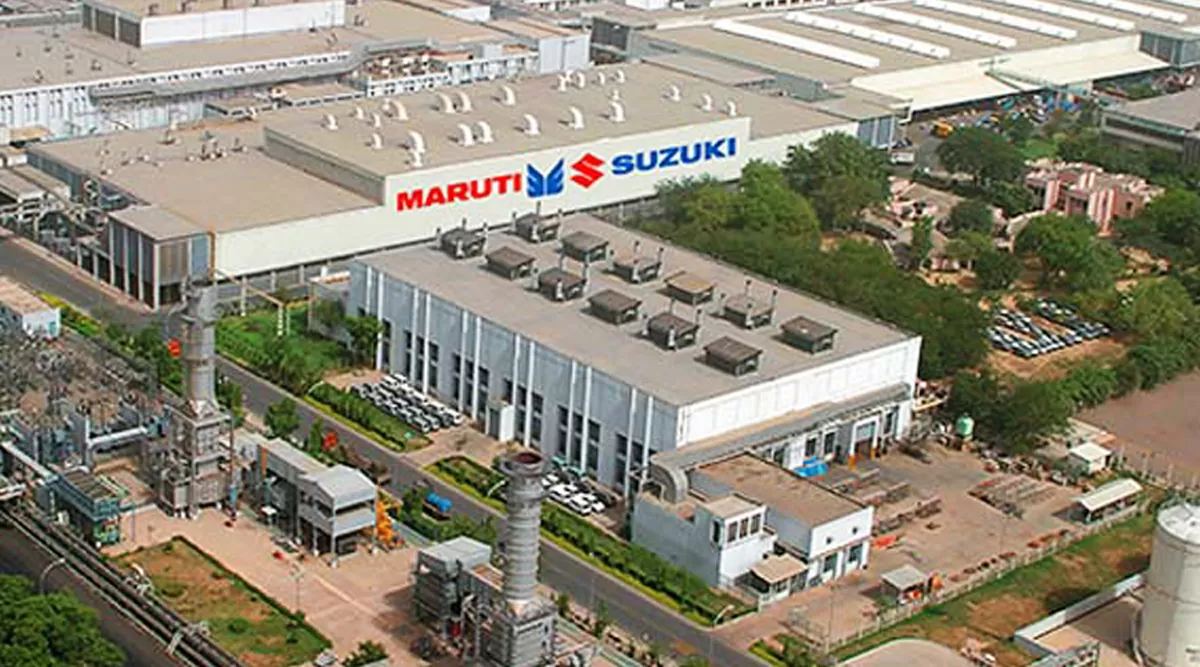
Maruti Suzuki India Limited (MSIL) has expanded its renewable energy footprint by commissioning a 20MWp solar power plant at its new Kharkhoda facility in Haryana and adding 10MWp at its existing Manesar plant, taking its total installed solar capacity from 49MWp to 79MWp within a year.
The company announced plans to ramp up its solar capacity to 319MWp by FY2030–31, supported by an investment of over Rs 9.25 billion, as part of its broader strategy to align with Suzuki Motor Corporation’s Environment Vision 2050 and India's national renewable energy goals.
“As we scale production towards four million units, our energy usage must follow the same sustainable path,” said Hisashi Takeuchi, Managing Director & CEO of Maruti Suzuki India Limited. “These solar initiatives mark a critical step in building a cleaner energy ecosystem for future-ready manufacturing.”
Maruti Suzuki also plans to increase its green power intake from state electricity boards. Through combined solar and green energy initiatives, the company expects renewable sources to account for 85 per cent of its total electricity consumption by FY2030–31.
This expansion reflects MSIL’s ongoing commitment to green manufacturing, aligning with the United Nations Sustainable Development Goal #7 on affordable and clean energy.

Maruti Suzuki India Limited (MSIL) has expanded its renewable energy footprint by commissioning a 20MWp solar power plant at its new Kharkhoda facility in Haryana and adding 10MWp at its existing Manesar plant, taking its total installed solar capacity from 49MWp to 79MWp within a year.The company announced plans to ramp up its solar capacity to 319MWp by FY2030–31, supported by an investment of over Rs 9.25 billion, as part of its broader strategy to align with Suzuki Motor Corporation’s Environment Vision 2050 and India's national renewable energy goals.“As we scale production towards four million units, our energy usage must follow the same sustainable path,” said Hisashi Takeuchi, Managing Director & CEO of Maruti Suzuki India Limited. “These solar initiatives mark a critical step in building a cleaner energy ecosystem for future-ready manufacturing.”Maruti Suzuki also plans to increase its green power intake from state electricity boards. Through combined solar and green energy initiatives, the company expects renewable sources to account for 85 per cent of its total electricity consumption by FY2030–31.This expansion reflects MSIL’s ongoing commitment to green manufacturing, aligning with the United Nations Sustainable Development Goal #7 on affordable and clean energy.

Next Story
Infrastructure Urban

Meghalaya And Assam Hold Talks To End Transport Stoppages In Garo Hills

Meghalaya and Assam have opened talks aimed at ending recent stoppages of commodity transport in the Garo Hills, officials said. The deputy chief minister, in charge of home affairs, reported that both state governments are coordinating to resolve disruptions and to restore normal movement of goods. He acknowledged that misunderstandings may have contributed to the incidents and that clarification between administrative units is under way. The discussions are intended to produce practical arrangements that will allow consignments to move without hindrance while respecting local procedures. The..

Next Story
Infrastructure Transport

Kochi Metro Records 1.375 mn Rise In Passengers In FY26

Kochi Metro recorded a marginal rise in ridership in the financial year 2025-26, carrying 1.375 mn more passengers than in the previous year. The service carried 36.8 million (mn) passengers in 2025-26 compared with 35.5 mn in 2024-25, representing a year-on-year increase of 3.9 per cent. The growth was described as distributed rather than concentrated in isolated spikes. A month-wise analysis shows steady gains across quarters. In the first quarter, ridership increased from 8.57 mn to 8.84 mn, while the second quarter rose from 9.13 mn to 9.51 mn. These trends indicated broad-based improvemen..

Next Story
Infrastructure Transport

Ghaziabad Plans 16km Metro Link To Delhi Via Hindon Airport

Ghaziabad authorities are pursuing a 16 km metro link to Delhi that will run via Hindon Airport, and a detailed project report is under way. The plan is intended to improve connectivity between Ghaziabad and the national capital and to provide an interchange with the airport. Officials said the project is being studied to assess alignments, station locations and cost estimates ahead of formal approvals and tendering. The announcement follows the inauguration of the Delhi?Faridabad metro extension, which will offer hassle free travel for around 0.2 mn daily commuters between the national capita..

Advertisement

Subscribe to Our Newsletter

Get daily newsletters around different themes from Construction world.

STAY CONNECTED

Advertisement

Advertisement

Advertisement