Morocco to expand energy capacity by 9 gigawatts; 6.5 for renewables
POWER & RENEWABLE ENERGY

Morocco to expand energy capacity by 9 gigawatts; 6.5 for renewables

Leila Benali, Energy Minister, Morroco, speaking at a conference on batteries in Rabat, revealed that out of the $7 billion investment planned by Morocco to expand its energy capacity by 9 gigawatts by 2027, 6.5 gigawatts would be attributed to renewables. Currently, renewable capacity stands at 4.5 gigawatts, comprising 37.6 % of the total capacity, as reported by the electricity regulator.

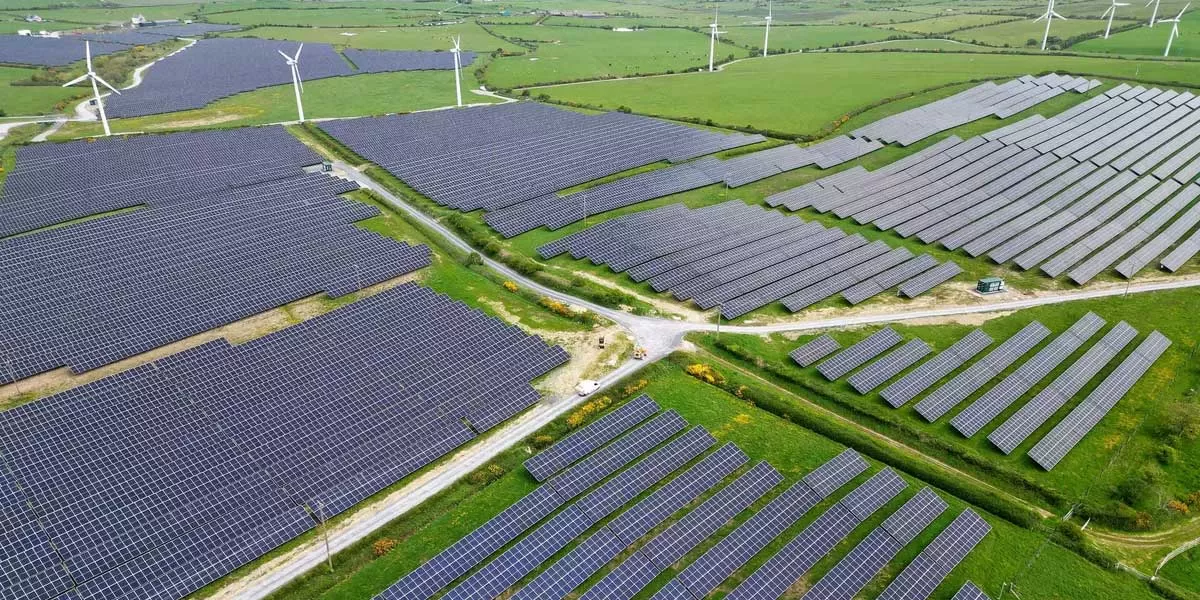
Since 2009, Morocco has allocated $6 billion to renewable projects, aiming to raise their share in the country's energy blend to 52% by 2050, primarily through investments in solar and wind energy. "We must invest more in areas like grids- to enhance development of renewables in our country - storage and batteries," Benali said.

Coal presently contributes around 70% to Morocco's electricity generation, whereas renewables made up 20% of the energy mix last year, according to official data. In March, the government announced plans to construct liquefied natural gas infrastructure in Nador's Mediterranean port, connecting it to a pipeline facilitating gas imports from Spanish LNG terminals. Minister Benali highlighted the importance of natural gas in the country's energy transition.

Earlier this year, the government introduced incentives and earmarked 1 million hectares for its green hydrogen initiative, aimed at attracting investors for both domestic consumption and exports. Green hydrogen, produced through electrolysis using renewable energy, is anticipated to play a vital role in decarbonising industries. (Source: ET Energy)

Leila Benali, Energy Minister, Morroco, speaking at a conference on batteries in Rabat, revealed that out of the $7 billion investment planned by Morocco to expand its energy capacity by 9 gigawatts by 2027, 6.5 gigawatts would be attributed to renewables. Currently, renewable capacity stands at 4.5 gigawatts, comprising 37.6 % of the total capacity, as reported by the electricity regulator. Since 2009, Morocco has allocated $6 billion to renewable projects, aiming to raise their share in the country's energy blend to 52% by 2050, primarily through investments in solar and wind energy. We must invest more in areas like grids- to enhance development of renewables in our country - storage and batteries, Benali said. Coal presently contributes around 70% to Morocco's electricity generation, whereas renewables made up 20% of the energy mix last year, according to official data. In March, the government announced plans to construct liquefied natural gas infrastructure in Nador's Mediterranean port, connecting it to a pipeline facilitating gas imports from Spanish LNG terminals. Minister Benali highlighted the importance of natural gas in the country's energy transition. Earlier this year, the government introduced incentives and earmarked 1 million hectares for its green hydrogen initiative, aimed at attracting investors for both domestic consumption and exports. Green hydrogen, produced through electrolysis using renewable energy, is anticipated to play a vital role in decarbonising industries. (Source: ET Energy)

Next Story
Infrastructure Urban

India Expands Semiconductor Training To 500 Institutions

Under the Chips to Startups programme of the India Semiconductor Mission, the Union minister responsible for Railways, Information and Broadcasting, and Electronics and IT reported notable progress in talent development. He indicated that over the past four years substantial steps have been taken towards a 10-year target of training 85,000 engineers in semiconductor design. World-class EDA tools have been deployed in 315 academic institutions across the country to provide students with practical exposure to chip design. These EDA tools are supported by leading global firms and are accessible t..

Next Story
Infrastructure Urban

Delhi Institutions Support India Semiconductor Mission

The Government of India has prioritised talent development through training, upskilling and workforce development under the Chips to Startups initiative of the India Semiconductor Mission, with officials noting progress in four years towards a 10-year target of training 85,000 engineers in semiconductor design. Electronic design automation tools provided by Synopsys, Cadence, Siemens, Renesas, Ansys and AMD have been deployed in 315 academic institutions, enabling students to gain practical chip design experience. Chips have been fabricated and tested at the Semiconductor Laboratory, Mohali, a..

Next Story
Infrastructure Urban

NHA Announces Winners Of NHCX Hackathon At IIT Hyderabad

The National Health Authority (NHA) has concluded the NHCX Hackathon under the Ayushman Bharat Digital Mission (ABDM) to stimulate innovation around the National Health Claims Exchange (NHCX). The winning teams presented their solutions at the NHCX Innovation Meet held at IIT Hyderabad during a two-day event in March 2026 that also served as the hackathon grand finale. The hackathon itself ran from 22 to 28 February 2026 and aimed to accelerate paperless, transparent claims processing across India. The event was organised with a range of ecosystem partners, including the Insurance Regulatory a..

Advertisement

Subscribe to Our Newsletter

Get daily newsletters around different themes from Construction world.

STAY CONNECTED

Advertisement

Advertisement

Advertisement