MSRDC to Power Samruddhi Expressway with Renewable Energy
POWER & RENEWABLE ENERGY

MSRDC to Power Samruddhi Expressway with Renewable Energy

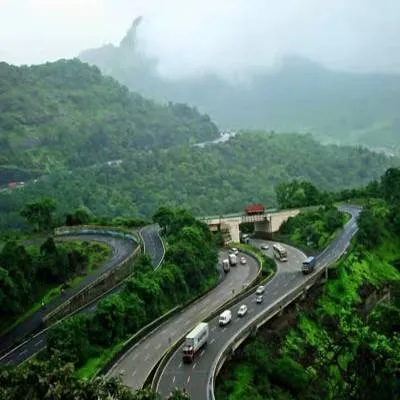
The Hindu Hrudaysamrat Balasaheb Thackeray Maharashtra Samruddhi Mahamarg (HHBTMSM), popularly known as the Samruddhi Expressway, is set to become more than a high-speed corridor between Mumbai and Nagpur. Soon, it will also double as a renewable energy hub.

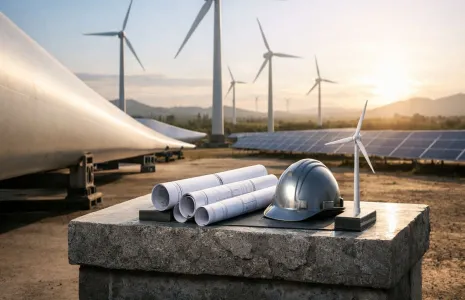
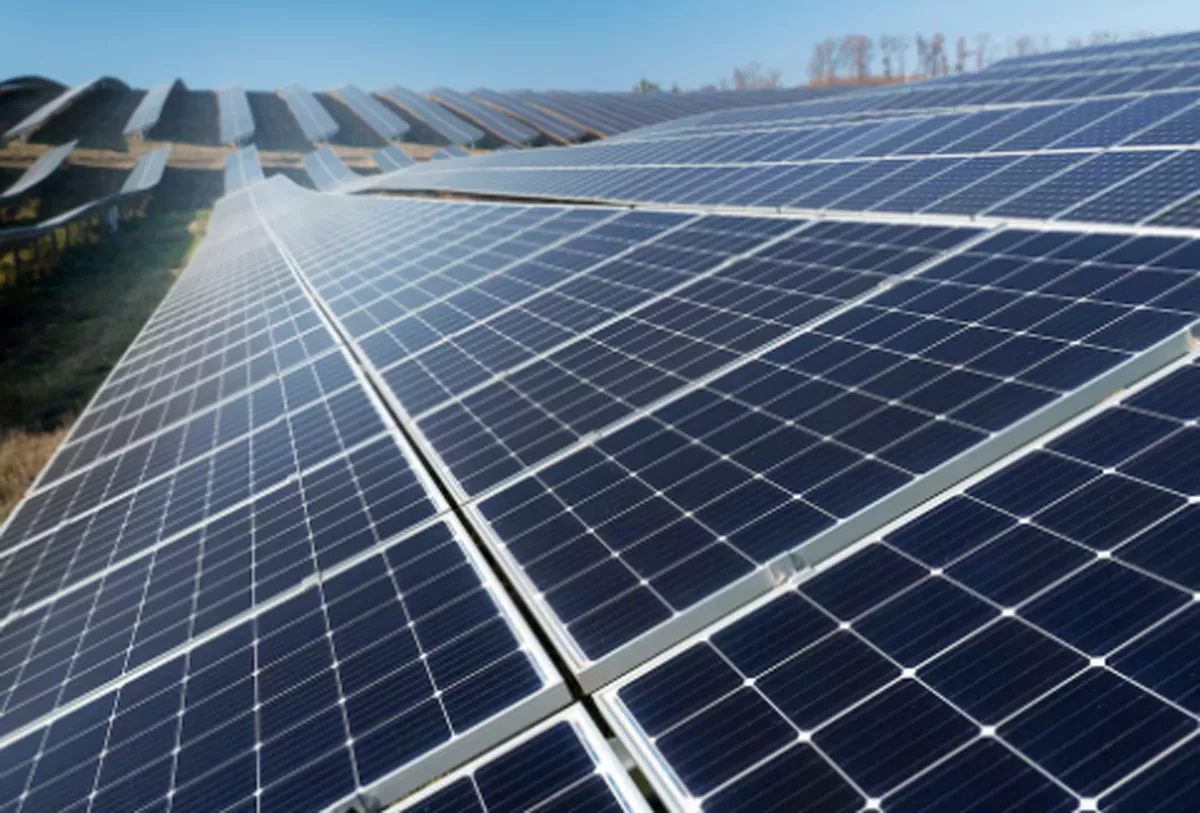
The Maharashtra State Road Development Corporation (MSRDC) has launched plans to install hybrid power systems—solar panels paired with wind turbines—along the 701-km stretch. A special purpose vehicle, Mahasamruddhi Renewable Energy Limited, has been incorporated to implement the project.

The initiative targets 150–200 MW of solar power generation, reducing electricity costs for expressway lighting, tunnels, and interchanges. It also advances the vision of transforming the highway into an energy-efficient green corridor while cutting the state’s carbon footprint.

Officials highlight that the expressway’s south-facing alignment from Nagpur to Mumbai offers optimal sunlight exposure for solar panels. Additionally, natural wind flow, combined with drafts created by fast-moving vehicles, can be tapped for wind energy.

The project will be executed under a Public-Private Partnership (PPP) model on a Build, Own, Operate, and Transfer (BOOT) basis. MSRDC has already initiated the process of appointing a renewable energy consultant to conduct feasibility studies, design layouts, and recommend cutting-edge technologies.

Unused land along the expressway’s embankments will be harnessed for the installations, setting an example of merging infrastructure with clean energy. “We want bidders to showcase innovative concepts that maximise energy generation and land use,” an MSRDC official said.

The Samruddhi Expressway, one of Maharashtra’s most ambitious infrastructure projects, was completed in four phases between December 2022 and June 2025, connecting Nagpur to the outskirts of Mumbai. Now, its transformation into a renewable energy corridor could make it a benchmark for sustainable infrastructure in India.

News source: Hindustan Times

The Hindu Hrudaysamrat Balasaheb Thackeray Maharashtra Samruddhi Mahamarg (HHBTMSM), popularly known as the Samruddhi Expressway, is set to become more than a high-speed corridor between Mumbai and Nagpur. Soon, it will also double as a renewable energy hub.The Maharashtra State Road Development Corporation (MSRDC) has launched plans to install hybrid power systems—solar panels paired with wind turbines—along the 701-km stretch. A special purpose vehicle, Mahasamruddhi Renewable Energy Limited, has been incorporated to implement the project.The initiative targets 150–200 MW of solar power generation, reducing electricity costs for expressway lighting, tunnels, and interchanges. It also advances the vision of transforming the highway into an energy-efficient green corridor while cutting the state’s carbon footprint.Officials highlight that the expressway’s south-facing alignment from Nagpur to Mumbai offers optimal sunlight exposure for solar panels. Additionally, natural wind flow, combined with drafts created by fast-moving vehicles, can be tapped for wind energy.The project will be executed under a Public-Private Partnership (PPP) model on a Build, Own, Operate, and Transfer (BOOT) basis. MSRDC has already initiated the process of appointing a renewable energy consultant to conduct feasibility studies, design layouts, and recommend cutting-edge technologies.Unused land along the expressway’s embankments will be harnessed for the installations, setting an example of merging infrastructure with clean energy. “We want bidders to showcase innovative concepts that maximise energy generation and land use,” an MSRDC official said.The Samruddhi Expressway, one of Maharashtra’s most ambitious infrastructure projects, was completed in four phases between December 2022 and June 2025, connecting Nagpur to the outskirts of Mumbai. Now, its transformation into a renewable energy corridor could make it a benchmark for sustainable infrastructure in India.News source: Hindustan Times

Next Story
Infrastructure Transport

Surya Roshni delivers customised lighting for NCRTC RRTS stations

Surya Roshni has supplied customised indoor lighting solutions for 18 elevated stations on the National Capital Region Transport Corporation's (NCRTC) Rapid Rail Transit System (RRTS), strengthening its presence in India's infrastructure lighting segment.The project involved the design and deployment of lighting systems for platforms, concourses, foot overbridges (FOBs) and back-of-house (BOH) areas. According to the company, the luminaires were developed specifically to meet NCRTC's design, operational and performance requirements rather than using standard products.Surya introduced two custo..

Next Story
Real Estate

Hilton debuts Tapestry Collection brand in Vietnam

Hilton has opened NHAAN Resort & Spa Hoi An, Tapestry Collection by Hilton, marking the debut of the Tapestry Collection brand in Vietnam and expanding its lifestyle hospitality portfolio in Southeast Asia.Located along the Co Co River in Cam Thanh village, the 174-key resort provides access to Hoi An Ancient Town, Cua Dai Beach and the Cam Thanh Nipa Forest. The property has been designed by Vietnamese architect Vo Trong Nghia, incorporating biophilic architecture, locally sourced materials and riverfront landscapes.The resort offers a mix of guest rooms and suites, including family-frien..

Next Story
Building Material

Electrent expands lithium energy storage system portfolio

Electrent Energy has expanded its lithium-based energy storage portfolio with the launch of the ESS 850 and ESS 1050, targeting compact and maintenance-free power backup solutions for Indian homes.The new systems integrate a Home UPS and a LiFePO4 lithium battery into a single unit, extending the company's product range following the launch of its ESS 1350 and ESS 2500 models.Designed for apartments and smaller homes, the ESS 850 provides up to 1 hour 15 minutes of backup, while the ESS 1050 offers up to 1 hour 45 minutes on a typical 400 W household load. The systems can power essential appli..

Advertisement

Subscribe to Our Newsletter

Get daily newsletters around different themes from Construction world.

STAY CONNECTED

Advertisement

Advertisement

Advertisement