+
NLCIL to Invest ?50,000 Cr in Renewable Expansion
POWER & RENEWABLE ENERGY

NLCIL to Invest ?50,000 Cr in Renewable Expansion

NLCIL's Investment Plans: NLC India Ltd (NLCIL) is set to invest ?50,000 crore to significantly increase its renewable energy capacity over the coming years. This move aligns with India's aggressive push towards clean energy and reducing its carbon footprint.

Doubling Renewable Capacity: The company aims to expand its renewable energy portfolio from its current capacity of 1.6 GW to 6 GW by 2030. This major investment will be directed towards developing solar and wind energy projects, helping NLCIL emerge as a key player in India’s clean energy sector.

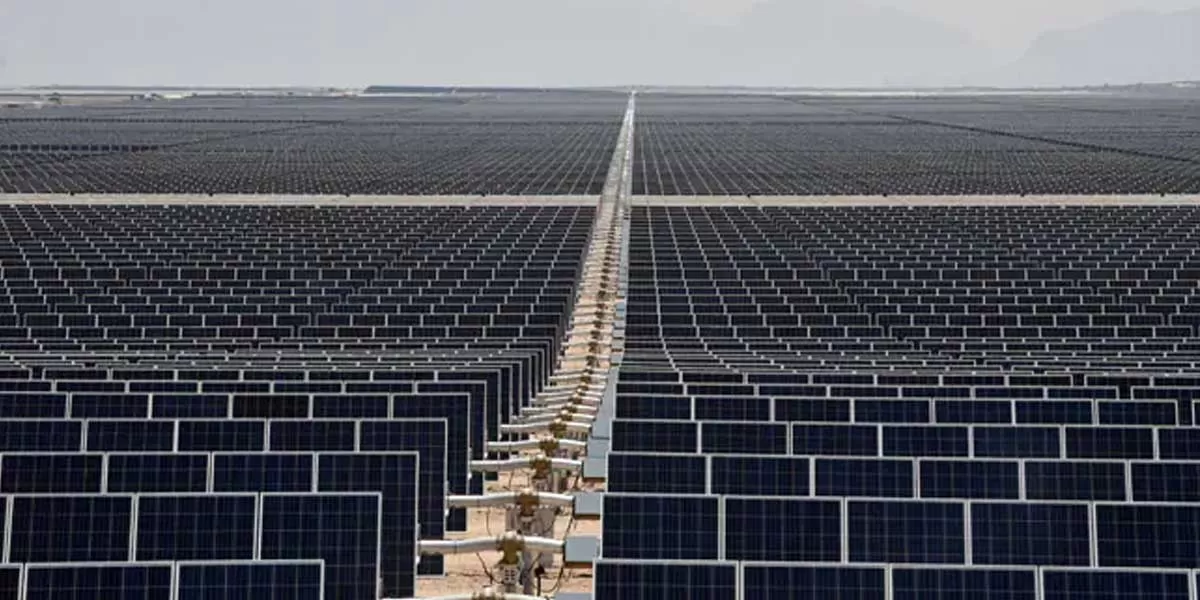
Green Energy Projects: The majority of the investment will go into the creation of solar power plants and offshore wind farms. NLCIL is already engaged in several solar power projects across states like Tamil Nadu and Rajasthan, and these new funds will accelerate the pace of existing and upcoming projects.

Collaboration with Other Entities: NLCIL is exploring joint ventures and partnerships with both public and private sector companies to leverage their expertise and resources in renewable energy. This includes collaborating with NTPC and other major energy players to co-develop large-scale solar and wind projects.

Transitioning from Fossil Fuels: Traditionally known for its lignite mining and thermal power generation, NLCIL is now making a deliberate shift towards renewable energy. This transition is part of the broader national strategy to reduce dependency on coal and increase the share of non-fossil fuel energy in the power generation mix.

Supporting India’s Climate Goals: The investment comes as India continues its efforts to meet its climate change commitments. By increasing its renewable energy capacity, NLCIL aims to support India’s goal of achieving 500 GW of renewable energy capacity by 2030 as part of the Paris Agreement commitments.

Employment and Economic Impact: The ambitious expansion is expected to generate significant employment opportunities and boost economic development, particularly in regions where large-scale renewable energy infrastructure will be set up. Additionally, the company anticipates reduced operational costs over time as the proportion of renewables in its portfolio increases.

Future Renewable Projects: NLCIL is also working on energy storage solutions, which will help stabilize energy supply from intermittent renewable sources like wind and solar. Battery storage projects and other innovative technologies are part of its long-term vision.

Government Support and Policy Alignment: The company’s expansion aligns with the Indian government’s policies, including PLI (Production-Linked Incentive) schemes for renewable energy manufacturers. NLCIL's investment in clean energy projects is bolstered by favorable policies promoting sustainable infrastructure development.

Commitment to Decarbonization: By focusing on renewable capacity, NLCIL is committed to playing a significant role in India’s decarbonization efforts. The company is not only reducing emissions but also ensuring a sustainable energy future for the country.

Conclusion: NLCIL's ?50,000 crore investment in renewable energy reflects a bold commitment to decarbonization and the expansion of India’s clean energy capacity. This initiative supports both national climate goals and the country’s shift towards a sustainable energy future.

NLCIL's Investment Plans: NLC India Ltd (NLCIL) is set to invest ?50,000 crore to significantly increase its renewable energy capacity over the coming years. This move aligns with India's aggressive push towards clean energy and reducing its carbon footprint. Doubling Renewable Capacity: The company aims to expand its renewable energy portfolio from its current capacity of 1.6 GW to 6 GW by 2030. This major investment will be directed towards developing solar and wind energy projects, helping NLCIL emerge as a key player in India’s clean energy sector. Green Energy Projects: The majority of the investment will go into the creation of solar power plants and offshore wind farms. NLCIL is already engaged in several solar power projects across states like Tamil Nadu and Rajasthan, and these new funds will accelerate the pace of existing and upcoming projects. Collaboration with Other Entities: NLCIL is exploring joint ventures and partnerships with both public and private sector companies to leverage their expertise and resources in renewable energy. This includes collaborating with NTPC and other major energy players to co-develop large-scale solar and wind projects. Transitioning from Fossil Fuels: Traditionally known for its lignite mining and thermal power generation, NLCIL is now making a deliberate shift towards renewable energy. This transition is part of the broader national strategy to reduce dependency on coal and increase the share of non-fossil fuel energy in the power generation mix. Supporting India’s Climate Goals: The investment comes as India continues its efforts to meet its climate change commitments. By increasing its renewable energy capacity, NLCIL aims to support India’s goal of achieving 500 GW of renewable energy capacity by 2030 as part of the Paris Agreement commitments. Employment and Economic Impact: The ambitious expansion is expected to generate significant employment opportunities and boost economic development, particularly in regions where large-scale renewable energy infrastructure will be set up. Additionally, the company anticipates reduced operational costs over time as the proportion of renewables in its portfolio increases. Future Renewable Projects: NLCIL is also working on energy storage solutions, which will help stabilize energy supply from intermittent renewable sources like wind and solar. Battery storage projects and other innovative technologies are part of its long-term vision. Government Support and Policy Alignment: The company’s expansion aligns with the Indian government’s policies, including PLI (Production-Linked Incentive) schemes for renewable energy manufacturers. NLCIL's investment in clean energy projects is bolstered by favorable policies promoting sustainable infrastructure development. Commitment to Decarbonization: By focusing on renewable capacity, NLCIL is committed to playing a significant role in India’s decarbonization efforts. The company is not only reducing emissions but also ensuring a sustainable energy future for the country. Conclusion: NLCIL's ?50,000 crore investment in renewable energy reflects a bold commitment to decarbonization and the expansion of India’s clean energy capacity. This initiative supports both national climate goals and the country’s shift towards a sustainable energy future.

Related Stories

Gold Stories

Next Story
Infrastructure Urban

KONE Opens India's First Digital Experience Centre in Pune

KONE, a global elevator and escalator manufacturer, has inaugurated its first Digital Experience Centre (DEC) in India, located in Pune. The facility aims to showcase how artificial intelligence (AI), connectivity and data-driven technologies can enhance customer experiences and improve building operations.The centre was inaugurated by Jussi Herlin, Executive Vice Chair, KONE Corporation; Philippe Delorme, President and CEO, KONE; and Nandan Nilekani, Co-founder and Chairman of the Board, Infosys.Designed as an interactive customer environment, the facility demonstrates digital solutions cover..

Next Story
Infrastructure Urban

CII GreenCo Launches Circularity Guidelines for Indian Industry

The Confederation of Indian Industry (CII) GreenCo Council has launched the CII GreenCo Circularity Guidelines – Pilot Version at the 17th CII GreenCo Waste & Resource Management Summit 2026 in Chennai. The initiative aims to strengthen resource efficiency, waste reduction and circular economy practices across Indian manufacturing and process industries.The guidelines introduce a structured framework with circularity indices covering raw materials, consumables, packaging and other resource inputs. These indicators will help industries assess existing practices, identify opportunities to ..

Next Story
Infrastructure Energy

Global Electronics Association Launches IPC-1783-CO2E Standard

The Global Electronics Association has introduced IPC-1783-CO2E, a new international standard aimed at improving consistency, transparency and comparability in product carbon footprint reporting across the electronics manufacturing industry.The standard, titled International Standard for Data Collection and Reporting of CO2 Equivalent (CO2e) Emissions for the Electronics Manufacturing Supply Chain, provides industry-specific guidance for collecting, estimating and reporting carbon emissions data.With increasing regulatory requirements and customer expectations, electronics manufacturers face c..

Advertisement

Subscribe to Our Newsletter

Get daily newsletters around different themes from Construction world.

STAY CONNECTED

Advertisement

SPECIAL OFFER
QR Code