NTPC Green Energy's Rs 100 Bn IPO likely in November first week
POWER & RENEWABLE ENERGY

NTPC Green Energy's Rs 100 Bn IPO likely in November first week

NTPC Green Energy, a subsidiary of the state-owned power company NTPC, was reportedly planning to launch its initial public offering (IPO) to raise Rs 100 billion in the first week of November, according to a source. The previous week, the company had filed preliminary documents with the capital markets regulator, Sebi, to raise the same amount through the IPO.

The source indicated that the IPO was expected to be launched in early November. Additionally, the company had planned to conduct roadshows in India, particularly in Mumbai, as well as abroad, with a focus on Singapore.

According to the draft red herring prospectus (DRHP), the IPO would consist entirely of a fresh issue of equity shares, without any offer-for-sale (OFS) component. The company specified that Rs 75 billion of the proceeds would be used to repay or prepay part or all of the outstanding loans of its subsidiary, NTPC Renewable Energy Ltd (NREL), while a portion would go towards general corporate purposes.

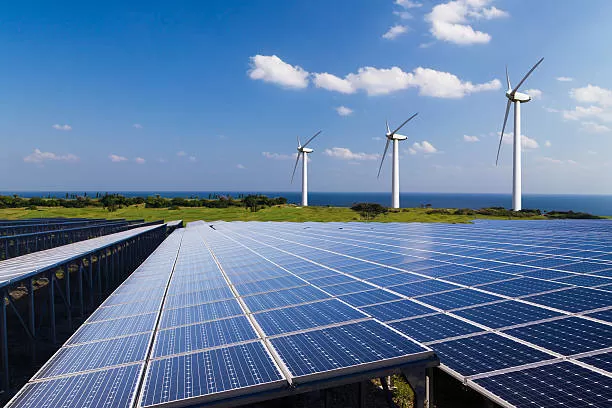
The filing came at a time when India's IPO market was seeing significant activity, with around 60 main board companies having launched their IPOs so far this year. NTPC Green Energy, a 'Maharatna' central public sector enterprise, has a renewable energy portfolio that includes solar and wind power assets across more than six states.

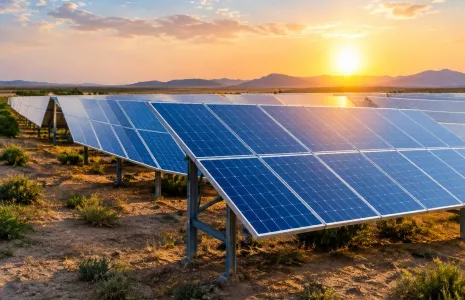
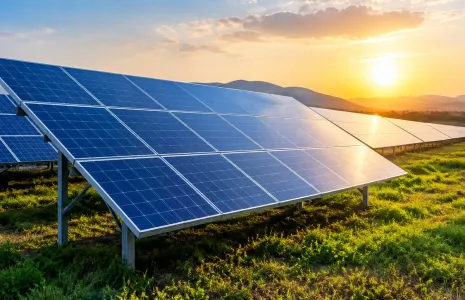
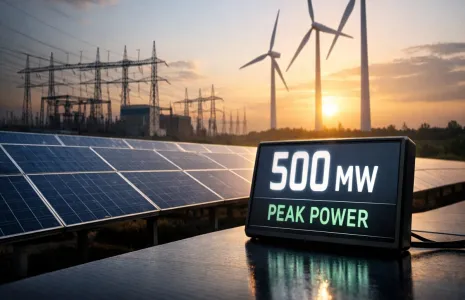
As of August 2024, the company’s operational capacity included 3,071 MW from solar projects and 100 MW from wind projects. The NTPC group as a whole aims to reach 60 GW of renewable energy capacity by 2032, with 3.5 GW already installed and over 28 GW under development.

India’s renewable energy sector was reported to be growing rapidly. Globally, India was ranked fourth in clean energy capacity, particularly in wind and solar installations, as cited in the draft paper based on a Crisil report. The country’s installed renewable energy capacity had increased from 63 GW in FY12 to 123 GW in FY21, reaching approximately 191 GW by March 2024, including large hydro. By that time, renewable energy accounted for nearly 43% of India’s total power generation capacity, with solar energy leading this growth.

NTPC Green Energy, a subsidiary of the state-owned power company NTPC, was reportedly planning to launch its initial public offering (IPO) to raise Rs 100 billion in the first week of November, according to a source. The previous week, the company had filed preliminary documents with the capital markets regulator, Sebi, to raise the same amount through the IPO. The source indicated that the IPO was expected to be launched in early November. Additionally, the company had planned to conduct roadshows in India, particularly in Mumbai, as well as abroad, with a focus on Singapore. According to the draft red herring prospectus (DRHP), the IPO would consist entirely of a fresh issue of equity shares, without any offer-for-sale (OFS) component. The company specified that Rs 75 billion of the proceeds would be used to repay or prepay part or all of the outstanding loans of its subsidiary, NTPC Renewable Energy Ltd (NREL), while a portion would go towards general corporate purposes. The filing came at a time when India's IPO market was seeing significant activity, with around 60 main board companies having launched their IPOs so far this year. NTPC Green Energy, a 'Maharatna' central public sector enterprise, has a renewable energy portfolio that includes solar and wind power assets across more than six states. As of August 2024, the company’s operational capacity included 3,071 MW from solar projects and 100 MW from wind projects. The NTPC group as a whole aims to reach 60 GW of renewable energy capacity by 2032, with 3.5 GW already installed and over 28 GW under development. India’s renewable energy sector was reported to be growing rapidly. Globally, India was ranked fourth in clean energy capacity, particularly in wind and solar installations, as cited in the draft paper based on a Crisil report. The country’s installed renewable energy capacity had increased from 63 GW in FY12 to 123 GW in FY21, reaching approximately 191 GW by March 2024, including large hydro. By that time, renewable energy accounted for nearly 43% of India’s total power generation capacity, with solar energy leading this growth.

Next Story
Infrastructure Urban

Centre Clears Power Distribution Upgrade for Uttar Pradesh

The Central Government has approved power distribution projects worth Rs 407.39 billion for Uttar Pradesh under the Revamped Distribution Sector Scheme (RDSS). The investment will be used to modernise the state's electricity distribution infrastructure and strengthen network capacity across urban and rural areas. The package targets one of the country's largest distribution networks as the state experiences rapid urbanisation and rising electricity consumption. Planned interventions include the strengthening of distribution lines, modernisation of substations, replacement of ageing electrical ..

Next Story
Infrastructure Energy

India Data Centres To Consume 191 TWh By 2040 Driving Renewables

A Wood Mackenzie report says India's operational data centre capacity is projected to increase more than fivefold to 12 gigawatt (GW) by 2030 from 2.2 GW in 2025 as artificial intelligence (AI) and cloud computing drive demand. It projects electricity consumption to rise from 10 terawatt-hour (TWh) in 2025 to 191 TWh by 2040. The study forecasts a compound annual growth rate of around 40 per cent and notes AI-dedicated capacity will surge nearly 24-fold from 275 megawatt (MW) in 2025 to 6,546 MW by 2030. The report places India's digital economy at Rs 32 trillion (tn) in 2025 and says it contr..

Next Story
Infrastructure Transport

Hydrogen Train Completes 1,200 Kilometres Of Trials

India's first hydrogen train was flagged off between Jind and Sonipat on July 17 and has travelled over 1,200 kilometres in trials, saving diesel consumption of more than 3,200 litres, a Railway Ministry press release said. The deployment marks the introduction of a zero-emission fuel cell train into route testing and represents a milestone in domestic rail innovation. The train generates electricity onboard through a chemical reaction between hydrogen and oxygen, producing electricity to propel the vehicle while emitting only water vapour as a by-product. There is no smoke and no tailpipe car..

Advertisement

Subscribe to Our Newsletter

Get daily newsletters around different themes from Construction world.

STAY CONNECTED

Advertisement

Advertisement

Advertisement