Pugalur-Madakkathara power corridor is finally reaching completion
POWER & RENEWABLE ENERGY

Pugalur-Madakkathara power corridor is finally reaching completion

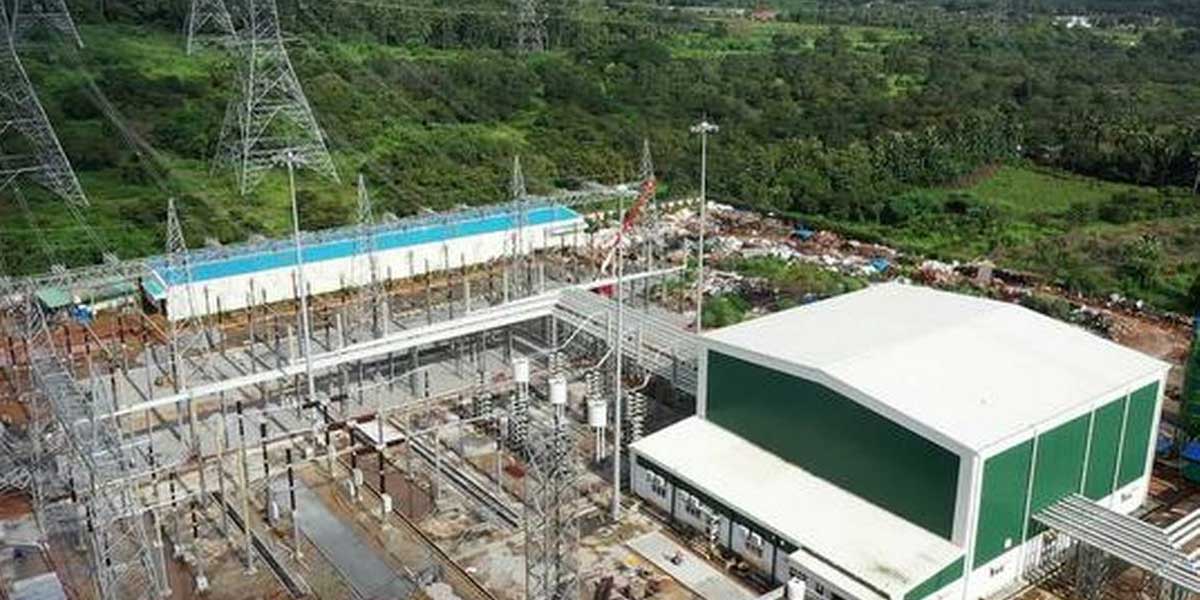
The Pugalur-Madakkathara power corridor is set to go live this month. Covering a distance of 165 km, the line begins at Pugalur, Tamil Nadu, and ends at Madakkathara, Kerala. The line is the first High Voltage Direct Current Technology (HVDC) system that is the first transmission network in the country to be established on the latest voltage source converter based system that minimizes any loss of transmission.

The line has been designed to increase the power importing potential of the state and will be bringing in 360 KV 2,000 MW electricity from Chattisgarh to Tamil Nadu. Also at the Kerala state government’s request, this line acts as a continuation of the 800 KV 6000 MW, 1,765 km long Raigarh to Pugalur DC line.

The project was initiated by the Power Grid Corporation of India (PGCIL), which is part of the central public sector. The main idea of the project was to help neutralise the high increase of power shortage within the southern hemisphere of the country due to the peak load of power. The project includes both 138 km of an overhead line and the remaining 27 km of the line underground. The project was only possible after ensuring that adequate compensation was made towards the owners of the land the line runs through. This was to avoid any impediments that may have been caused.

According to a press release given, a total of Rs.1,474 crore was provided to cover the entire cost of the project. The project began in 2005, but due to many protests that occurred in regards to placing the line between Nedumon to Kochi in Kerala, the projects were dragged out. However, after reaching a mutual decision, the state’s Chief Minister Pinarayi Vijayan had announced the completion of the line on the Kerala side in November 2019.

Many residential and commercial users will stand to benefit from this new arrangement, as there will be an increase in the flow of power supply. This will help avoid any disruption that they may face in their daily lives. Among further news, the government had stated that they are facilitating “uninterrupted power supply to industrial ventures” that are being set up as part of the Kochi-Bengaluru industrial corridor. They went on to add that the project had entered the final stage and will soon be completed. Using the restrictions that were placed on travel and traffic during the lockdown, cables were laid along the side of the national highway of Thrissur, including the Kuthiran tunnel.

The Kerala State Electricity Board (KSEB) had designated a special task force to ensure the completion of the project on time in May 2018. The State government had also announced a special package to purchase the lands required to prevent any more delays. The Pugalur–Madakkathara power corridor line will create and increase the usage of power as well as help prevent any loss of transfer from one place to another.

The Pugalur-Madakkathara power corridor is set to go live this month. Covering a distance of 165 km, the line begins at Pugalur, Tamil Nadu, and ends at Madakkathara, Kerala. The line is the first High Voltage Direct Current Technology (HVDC) system that is the first transmission network in the country to be established on the latest voltage source converter based system that minimizes any loss of transmission. The line has been designed to increase the power importing potential of the state and will be bringing in 360 KV 2,000 MW electricity from Chattisgarh to Tamil Nadu. Also at the Kerala state government’s request, this line acts as a continuation of the 800 KV 6000 MW, 1,765 km long Raigarh to Pugalur DC line. The project was initiated by the Power Grid Corporation of India (PGCIL), which is part of the central public sector. The main idea of the project was to help neutralise the high increase of power shortage within the southern hemisphere of the country due to the peak load of power. The project includes both 138 km of an overhead line and the remaining 27 km of the line underground. The project was only possible after ensuring that adequate compensation was made towards the owners of the land the line runs through. This was to avoid any impediments that may have been caused. According to a press release given, a total of Rs.1,474 crore was provided to cover the entire cost of the project. The project began in 2005, but due to many protests that occurred in regards to placing the line between Nedumon to Kochi in Kerala, the projects were dragged out. However, after reaching a mutual decision, the state’s Chief Minister Pinarayi Vijayan had announced the completion of the line on the Kerala side in November 2019. Many residential and commercial users will stand to benefit from this new arrangement, as there will be an increase in the flow of power supply. This will help avoid any disruption that they may face in their daily lives. Among further news, the government had stated that they are facilitating “uninterrupted power supply to industrial ventures” that are being set up as part of the Kochi-Bengaluru industrial corridor. They went on to add that the project had entered the final stage and will soon be completed. Using the restrictions that were placed on travel and traffic during the lockdown, cables were laid along the side of the national highway of Thrissur, including the Kuthiran tunnel. The Kerala State Electricity Board (KSEB) had designated a special task force to ensure the completion of the project on time in May 2018. The State government had also announced a special package to purchase the lands required to prevent any more delays. The Pugalur–Madakkathara power corridor line will create and increase the usage of power as well as help prevent any loss of transfer from one place to another.

Next Story
Resources

Jyoti Structures Launches Heat Safety Drive Across Sites

Jyoti Structures (JSL) has strengthened heat safety measures across its project sites and manufacturing facilities as temperatures rise across India. The company has implemented a Summer Safety Plan covering all transmission line projects to address risks related to heat stress, dehydration and worker fatigue.The initiative includes rescheduling work away from peak afternoon temperatures, provision of drinking water, ORS and lemon-salt solutions, and installation of rest shelters near work areas. Daily toolbox talks, worker health monitoring, first-aid preparedness, emergency transport arrange..

Next Story
Real Estate

MHADA Declares 82 Buildings Most Dangerous in Central and South Mumbai

The Maharashtra Housing and Area Development Authority (MHADA) has declared 82 buildings as most dangerous across Central and South Mumbai and has appealed to residents to vacate immediately. The list, prepared after structural assessments by the authority, identifies buildings judged to pose imminent risk to occupants and to passersby. Local civic bodies have been asked to coordinate evacuations and to make arrangements for temporary shelter and rehabilitation for displaced households. Officials said the authority prioritised buildings with visible structural distress, severe cracking, tiltin..

Next Story
Infrastructure Transport

Damage Reported At Halwara Airport Terminal After First Rains

Severe damage was reported at the terminal of Halwara Airport during the first major rain spell of the season, prompting immediate concern among aviation and local authorities. Images from the site showed water ingress and visible deterioration of the terminal interior, affecting passenger areas and ancillary services. The airport authority suspended certain operations temporarily to assess structural safety and ensure passenger wellbeing. Preliminary inspections have prioritised electrical systems and roof seals to prevent further water ingress. State aviation officials ordered a formal inqui..

Advertisement

Subscribe to Our Newsletter

Get daily newsletters around different themes from Construction world.

STAY CONNECTED

Advertisement

Advertisement

Advertisement