+
Rajasthan government targets 30 GW solar power by FY25
POWER & RENEWABLE ENERGY

Rajasthan government targets 30 GW solar power by FY25

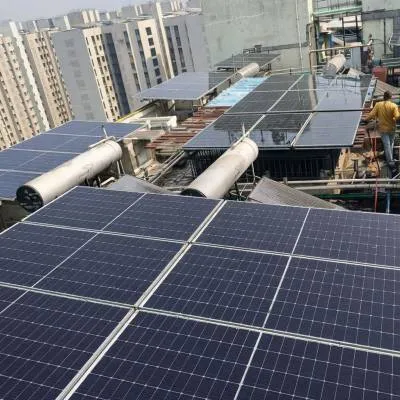
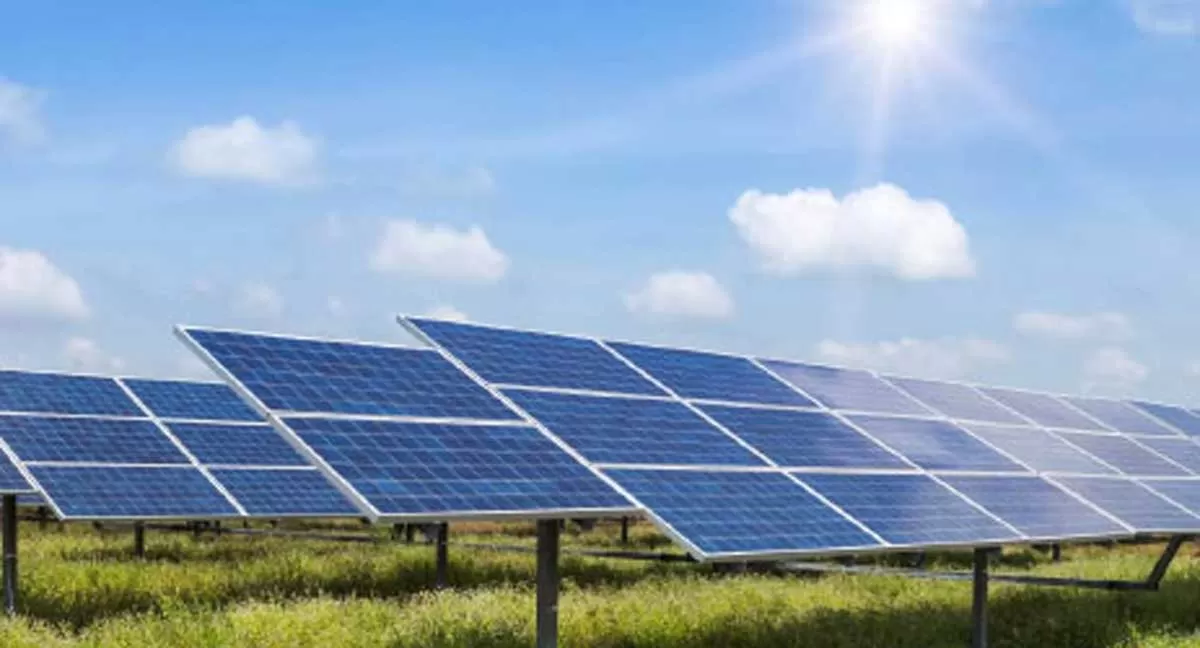
The Rajasthan government has set a target to produce 30 gigawatt (Gw) of solar power by the end of FY25 in order to achieve self-reliance in the power and energy sector, according to an official. The objective, as stated by CM Bhajan Lal Sharma, aims to bolster the state's energy security by reducing dependence on imported fuels and supporting the vision of a self-reliant India.

Recently, the government has approved land for four major solar projects with the goal of positioning the state as a leader in energy self-sufficiency. These projects, including three solar parks in Bikaner totalling 2,450 Mw and a 500 Mw project in Phalodi, are expected to attract investments worth Rs 100 billion and promote sustainable development, the official added.

Rajasthan, a leading state in solar energy production with an estimated output of 142 Gw, faces increasing electricity demand rising by 8-10 per cent annually. Consequently, the government aims to meet 43 per cent of the power consumption from solar energy by 2030. Last year, the state saw the installation of 15,195 Mw solar power plants.

The state is enhancing the PM Kusum Solar pump plant to facilitate the installation of solar pumps in over 50,000 farms and generate 200 Mw of electricity in the coming years. This initiative is intended to accelerate the adoption of renewable energy and support agricultural development in the state through the deployment of solar pumps.

The Rajasthan government has set a target to produce 30 gigawatt (Gw) of solar power by the end of FY25 in order to achieve self-reliance in the power and energy sector, according to an official. The objective, as stated by CM Bhajan Lal Sharma, aims to bolster the state's energy security by reducing dependence on imported fuels and supporting the vision of a self-reliant India. Recently, the government has approved land for four major solar projects with the goal of positioning the state as a leader in energy self-sufficiency. These projects, including three solar parks in Bikaner totalling 2,450 Mw and a 500 Mw project in Phalodi, are expected to attract investments worth Rs 100 billion and promote sustainable development, the official added. Rajasthan, a leading state in solar energy production with an estimated output of 142 Gw, faces increasing electricity demand rising by 8-10 per cent annually. Consequently, the government aims to meet 43 per cent of the power consumption from solar energy by 2030. Last year, the state saw the installation of 15,195 Mw solar power plants. The state is enhancing the PM Kusum Solar pump plant to facilitate the installation of solar pumps in over 50,000 farms and generate 200 Mw of electricity in the coming years. This initiative is intended to accelerate the adoption of renewable energy and support agricultural development in the state through the deployment of solar pumps.

Related Stories

Gold Stories

Next Story
Infrastructure Urban

Infrastructure Opportunity Outlook by IMPACCT.Info

India’s infrastructure pipeline is witnessing dynamic activity across stages — from immediate bidding to future planning. IMPACCT segments these into three categories: Immediate, 3–6 Month, and Future Opportunities, enabling businesses to identify, prepare, and participate in high-value tenders and projects across sectors.To read full article Click Here ..

Next Story
Real Estate

Glass, Reframed!

Glass façades, quintessential aesthetic building envelopes globally, have been widely adopted in India as well. But when the focus is high-performance building systems that deliver energy efficiency, comfort and architectural identity, glass isn’t the only preference. Combination solutions, involving glass and some other material, improve façade outcomes. Some combinations come at comparable prices, some at a higher price. Here is a selection of performance-oriented solutions...To read the full story Click Here ..

Next Story
Infrastructure Urban

Beyond Building Faster

India’s cities are expanding at an unprecedented pace, bringing new infrastructure and development opportunities while also intensifying challenges around mobility, public spaces, liveability and supporting infrastructure. The question, therefore, is not simply whether India can build faster, but whether it can build cities that work better.At a CW webinar, Are We Designing Better Cities – or Just Building Faster?, moderator Ar. Samir Shaikh, Founding Principal, AR&UD Studio, brought together perspectives from design, development, master planning and technology...To read the full artic..

Advertisement

Subscribe to Our Newsletter

Get daily newsletters around different themes from Construction world.

STAY CONNECTED

Advertisement

SPECIAL OFFER
QR Code