+
Rajasthan Reaches 3,000 MW Under PM-KUSUM Scheme
POWER & RENEWABLE ENERGY

Rajasthan Reaches 3,000 MW Under PM-KUSUM Scheme

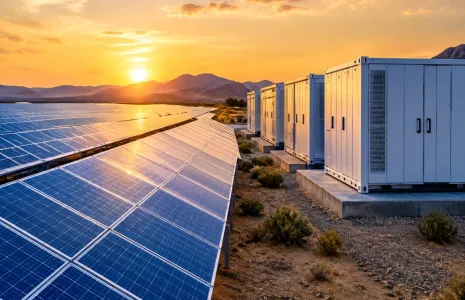
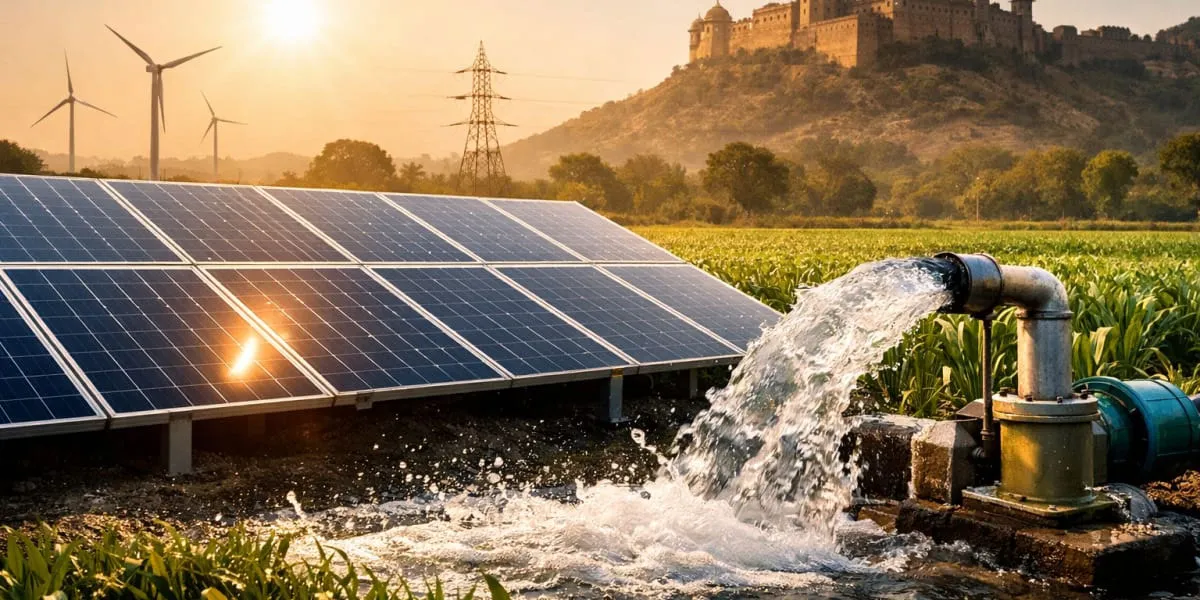
Rajasthan has achieved a major milestone by installing 3,000 megawatt (MW) of renewable energy capacity under the Prime Minister Kisan Urja Suraksha evam Utthaan Mahabhiyan (PM-KUSUM) scheme, positioning the state as a national leader in decentralised solar power for agriculture. The milestone reflects sustained efforts to empower farmers through clean energy and to integrate distributed generation into rural power systems. The achievement is presented as a step towards reducing dependence on conventional electricity sources for irrigation and related needs.

The PM-KUSUM programme supports farmers to install standalone solar pumps or develop small grid connected solar plants, offering options to displace diesel consumption and reduce irrigation costs. Farmers are enabled to connect surplus generation to local distribution networks and to sell power, creating an additional income stream and improving farm resilience to rising input prices. Implementation combines central guidelines with state-level policy measures and subsidy frameworks to encourage rapid deployment.

Rajasthan's geographic and climatic advantages, including high solar irradiation and large tracts of arid and semi arid land, have accelerated uptake of the scheme. Proactive state-level implementation and streamlined procedures are said to have reduced project lead times and transaction costs, enabling faster commissioning. The shift of agricultural load onto solar generation has eased pressure on distribution utilities and contributed to lower subsidy requirements and improved grid efficiency.

Environmental benefits include substantial reductions in greenhouse gas emissions through replacement of diesel pumps and lower combustion related pollution, aligning with national climate commitments. The programme has also created employment opportunities in rural areas in installation, operation and maintenance of solar assets, supporting local skill development and a growing clean energy workforce. Rajasthan's experience is presented as a replicable model for other states seeking to scale decentralised renewable solutions while advancing sustainable agriculture and energy security.

Rajasthan has achieved a major milestone by installing 3,000 megawatt (MW) of renewable energy capacity under the Prime Minister Kisan Urja Suraksha evam Utthaan Mahabhiyan (PM-KUSUM) scheme, positioning the state as a national leader in decentralised solar power for agriculture. The milestone reflects sustained efforts to empower farmers through clean energy and to integrate distributed generation into rural power systems. The achievement is presented as a step towards reducing dependence on conventional electricity sources for irrigation and related needs. The PM-KUSUM programme supports farmers to install standalone solar pumps or develop small grid connected solar plants, offering options to displace diesel consumption and reduce irrigation costs. Farmers are enabled to connect surplus generation to local distribution networks and to sell power, creating an additional income stream and improving farm resilience to rising input prices. Implementation combines central guidelines with state-level policy measures and subsidy frameworks to encourage rapid deployment. Rajasthan's geographic and climatic advantages, including high solar irradiation and large tracts of arid and semi arid land, have accelerated uptake of the scheme. Proactive state-level implementation and streamlined procedures are said to have reduced project lead times and transaction costs, enabling faster commissioning. The shift of agricultural load onto solar generation has eased pressure on distribution utilities and contributed to lower subsidy requirements and improved grid efficiency. Environmental benefits include substantial reductions in greenhouse gas emissions through replacement of diesel pumps and lower combustion related pollution, aligning with national climate commitments. The programme has also created employment opportunities in rural areas in installation, operation and maintenance of solar assets, supporting local skill development and a growing clean energy workforce. Rajasthan's experience is presented as a replicable model for other states seeking to scale decentralised renewable solutions while advancing sustainable agriculture and energy security.

Next Story
Infrastructure Urban

Hafele Begins Local Manufacturing in Maharashtra

Hafele recently commenced operations at a new local production facility in Maharashtra, marking a significant step in the company’s long-term localisation strategy and reinforcing its commitment to the Government of India’s ‘Make in India’ initiative. The development is aimed at building a future-ready manufacturing ecosystem in the country while enabling local value creation and scalable operations.The India production initiative builds on Hafele’s established global manufacturing and supply chain network, which includes production facilities across Europe. By expanding manufacturin..

Next Story
Infrastructure Energy

Jyoti Structures Commissions 400 kV Line in Karnataka

Jyoti Structures Limited (JSL), an engineering, procurement and construction company specialising in power transmission infrastructure, recently announced the commissioning of the 400 kV Gadag–II Transmission Line project for ReNew Power in Karnataka.The project comprises 100 circuit kilometres (CKM) of twin HTLS transmission lines connecting Gadag Power Station and Koppal Power Station. The line passes through the districts of Gadag and Koppal, where the project team addressed challenging terrain, right-of-way constraints and difficult soil conditions, including stretches of black cotton so..

Next Story
Equipment

Lingong Group Debuts Electric Equipment at CONEXPO 2026

Lingong Group recently presented its latest electric and intelligent equipment at CONEXPO-CON/AGG 2026, marking the company’s global debut as a consolidated brand. The event, held from March 3–7 at the Las Vegas Convention Center, featured core subsidiaries Shandong Lingong Construction Machinery (SDLG) and Lingong Heavy Machinery (LGMG), along with multiple product launches and the introduction of LGMG’s global service brand, LGMG ProCare.At the exhibition, Lingong Group showcased new product lines across loaders, aerial work platforms and industrial vehicles. Several models incorporate..

Advertisement

Subscribe to Our Newsletter

Get daily newsletters around different themes from Construction world.

STAY CONNECTED

Advertisement

Advertisement

Advertisement

Open In App