+
REC Releases Vendor Operations Framework for PM Surya Ghar Initiative
POWER & RENEWABLE ENERGY

REC Releases Vendor Operations Framework for PM Surya Ghar Initiative

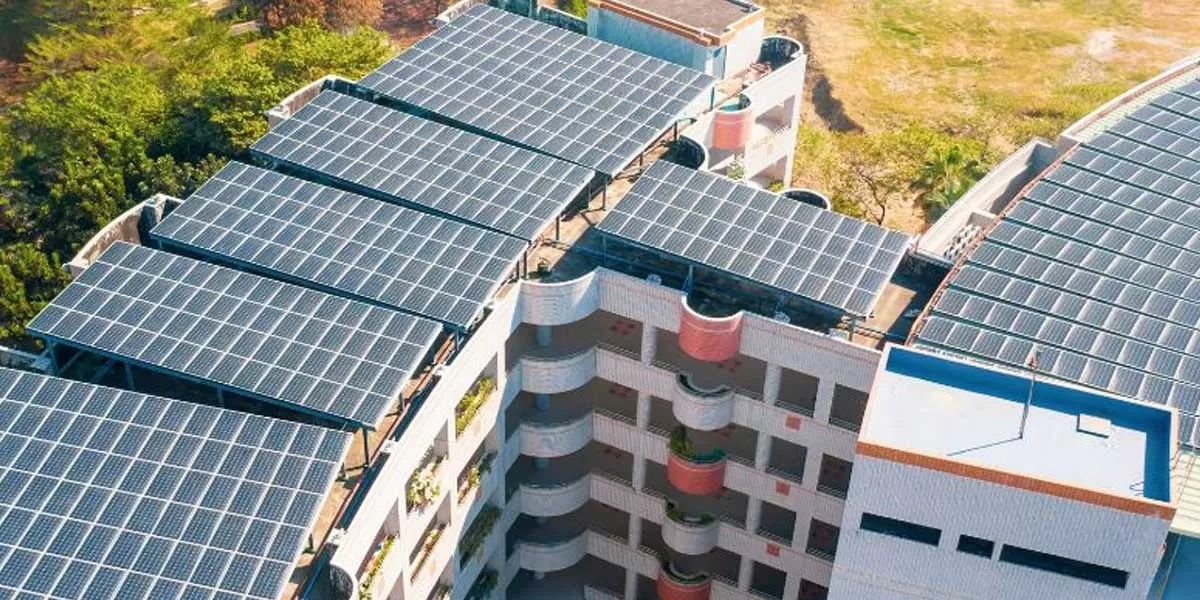
REC has issued a guidance framework for vendor operations under the PM Surya Ghar: Muft Bijli Yojna to facilitate the seamless implementation of the rooftop solar program.

The Ministry of New and Renewable Energy (MNRE) designated REC as the national registering authority and the primary implementing agency for the program.

Vendors are required to provide accurate and comprehensive details during the registration process. Applications with false or incomplete information will be rejected.

Vendors must ensure that all rooftop solar systems installed under the program comply with the minimum technical specifications and quality standards established by MNRE. Distribution companies (DISCOMs) will verify compliance during inspections.

To avoid delays, vendors should complete installations promptly and conduct safety checks before handing over the system to the consumer. Additionally, pricing details, including all applicable charges, taxes, and fees, must be communicated transparently, with no hidden costs or discrepancies.

Vendors are also responsible for educating consumers on system maintenance, safety protocols, and operational guidelines to ensure proper usage and understanding.

Post-installation, vendors are obligated to provide free repair and maintenance services for at least five years. This service period includes repairing or replacing malfunctioning components and monitoring system performance.

Any issues in rooftop solar systems that hinder the disbursal of central financial assistance (CFA) or delay commissioning due to quality issues must be promptly addressed by the vendor. Consumers must also receive system warranty certifications guaranteeing coverage for five years from the commissioning date.

REC, DISCOM, or MNRE may conduct inspections at any stage to evaluate system quality, compliance with program guidelines, and overall performance. If systems fail to meet required standards, are non-functional due to poor installation, or violate program guidelines, the registering authority may de-register the vendor and impose penalties, following due notification.

Registered vendors will be rated based on various criteria, including the size and scale of installations, equipment quality, workmanship, and service standards.

The guidelines also require vendors to establish post-installation service helplines for addressing maintenance and service-related issues. Vendors must clearly communicate timelines for resolving complaints to consumers.

REC has issued a guidance framework for vendor operations under the PM Surya Ghar: Muft Bijli Yojna to facilitate the seamless implementation of the rooftop solar program. The Ministry of New and Renewable Energy (MNRE) designated REC as the national registering authority and the primary implementing agency for the program. Vendors are required to provide accurate and comprehensive details during the registration process. Applications with false or incomplete information will be rejected. Vendors must ensure that all rooftop solar systems installed under the program comply with the minimum technical specifications and quality standards established by MNRE. Distribution companies (DISCOMs) will verify compliance during inspections. To avoid delays, vendors should complete installations promptly and conduct safety checks before handing over the system to the consumer. Additionally, pricing details, including all applicable charges, taxes, and fees, must be communicated transparently, with no hidden costs or discrepancies. Vendors are also responsible for educating consumers on system maintenance, safety protocols, and operational guidelines to ensure proper usage and understanding. Post-installation, vendors are obligated to provide free repair and maintenance services for at least five years. This service period includes repairing or replacing malfunctioning components and monitoring system performance. Any issues in rooftop solar systems that hinder the disbursal of central financial assistance (CFA) or delay commissioning due to quality issues must be promptly addressed by the vendor. Consumers must also receive system warranty certifications guaranteeing coverage for five years from the commissioning date. REC, DISCOM, or MNRE may conduct inspections at any stage to evaluate system quality, compliance with program guidelines, and overall performance. If systems fail to meet required standards, are non-functional due to poor installation, or violate program guidelines, the registering authority may de-register the vendor and impose penalties, following due notification. Registered vendors will be rated based on various criteria, including the size and scale of installations, equipment quality, workmanship, and service standards. The guidelines also require vendors to establish post-installation service helplines for addressing maintenance and service-related issues. Vendors must clearly communicate timelines for resolving complaints to consumers.

Related Stories

Gold Stories

Next Story
Infrastructure Urban

Infrastructure Opportunity Outlook by IMPACCT.Info

India’s infrastructure pipeline is witnessing dynamic activity across stages — from immediate bidding to future planning. IMPACCT segments these into three categories: Immediate, 3–6 Month, and Future Opportunities, enabling businesses to identify, prepare, and participate in high-value tenders and projects across sectors.To read full article Click Here ..

Next Story
Real Estate

Glass, Reframed!

Glass façades, quintessential aesthetic building envelopes globally, have been widely adopted in India as well. But when the focus is high-performance building systems that deliver energy efficiency, comfort and architectural identity, glass isn’t the only preference. Combination solutions, involving glass and some other material, improve façade outcomes. Some combinations come at comparable prices, some at a higher price. Here is a selection of performance-oriented solutions...To read the full story Click Here ..

Next Story
Infrastructure Urban

Beyond Building Faster

India’s cities are expanding at an unprecedented pace, bringing new infrastructure and development opportunities while also intensifying challenges around mobility, public spaces, liveability and supporting infrastructure. The question, therefore, is not simply whether India can build faster, but whether it can build cities that work better.At a CW webinar, Are We Designing Better Cities – or Just Building Faster?, moderator Ar. Samir Shaikh, Founding Principal, AR&UD Studio, brought together perspectives from design, development, master planning and technology...To read the full artic..

Advertisement

Subscribe to Our Newsletter

Get daily newsletters around different themes from Construction world.

STAY CONNECTED

Advertisement

SPECIAL OFFER
QR Code