Renewable Energy Vital for Climate-Resilient Agriculture: Joshi
POWER & RENEWABLE ENERGY

Renewable Energy Vital for Climate-Resilient Agriculture: Joshi

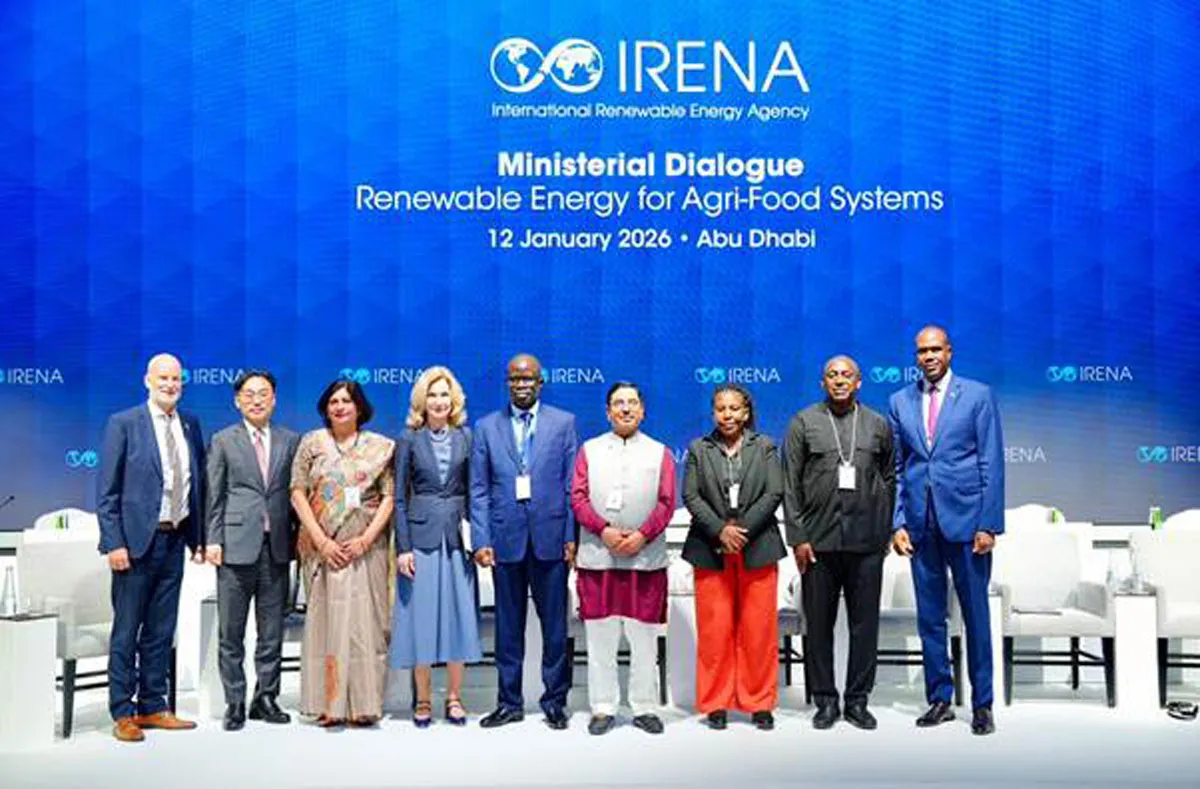
Union Minister for New and Renewable Energy Pralhad Joshi underscored the critical role of renewable energy in building climate-resilient agriculture, strengthening rural livelihoods and enhancing energy security, while addressing the Inter-ministerial Dialogue on Scaling Renewable Energy in Agrifood Systems. The dialogue was jointly convened by the International Renewable Energy Agency (IRENA) and the Food and Agriculture Organization (FAO).

Addressing the gathering, Joshi said that when India speaks on global platforms, it represents nearly one-sixth of humanity, some of the world’s largest food security programmes and one of the fastest-growing renewable energy markets. Emphasising the country’s agrarian ethos, he noted that Indian farmers, traditionally revered as Annadata, are increasingly becoming Urjadata by contributing to both food production and clean energy generation through distributed renewable energy solutions.

The Minister said renewable energy offers a comprehensive solution to the interconnected challenges of energy access, climate action, agricultural productivity and rural livelihoods. India’s strategy, he added, is driven by ambitious targets supported by strong policy frameworks, decentralised implementation, inclusive programme design and effective inter-ministerial coordination.

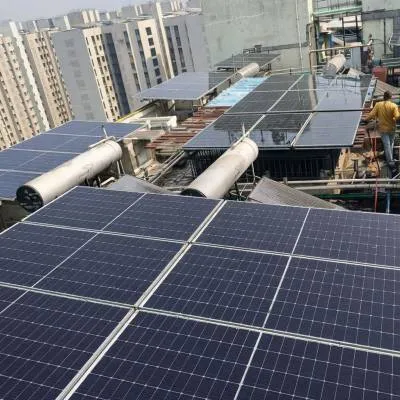
Highlighting flagship initiatives, Joshi referred to the PM-KUSUM scheme, launched in 2019, which integrates solar energy into agriculture through standalone solar pumps, solarisation of grid-connected pumps and decentralised solar power plants. As of late 2025, nearly one million standalone solar pumps have been installed and more than 1.1 million grid-connected pumps solarised, adding over 10,200 MW of capacity. The scheme has reduced diesel dependence, stabilised irrigation costs, lowered emissions and shifted support towards long-term asset creation.

The Minister also highlighted initiatives such as surplus solar power sale by farmers, the National Bioenergy Programme and the PM Surya Ghar Muft Bijli Yojana, which have improved rural incomes and energy security. Looking ahead, he announced plans for PM-KUSUM 2.0, with a focus on decentralised solar solutions and agri-photovoltaics, enabling agriculture and solar power generation to coexist.

On the sidelines of the 16th IRENA Assembly, Joshi also met Elín Rós, Director General, International Development Cooperation, Ministry for Foreign Affairs of Iceland, to discuss strengthening cooperation on geothermal energy deployment in India.

Union Minister for New and Renewable Energy Pralhad Joshi underscored the critical role of renewable energy in building climate-resilient agriculture, strengthening rural livelihoods and enhancing energy security, while addressing the Inter-ministerial Dialogue on Scaling Renewable Energy in Agrifood Systems. The dialogue was jointly convened by the International Renewable Energy Agency (IRENA) and the Food and Agriculture Organization (FAO).Addressing the gathering, Joshi said that when India speaks on global platforms, it represents nearly one-sixth of humanity, some of the world’s largest food security programmes and one of the fastest-growing renewable energy markets. Emphasising the country’s agrarian ethos, he noted that Indian farmers, traditionally revered as Annadata, are increasingly becoming Urjadata by contributing to both food production and clean energy generation through distributed renewable energy solutions.The Minister said renewable energy offers a comprehensive solution to the interconnected challenges of energy access, climate action, agricultural productivity and rural livelihoods. India’s strategy, he added, is driven by ambitious targets supported by strong policy frameworks, decentralised implementation, inclusive programme design and effective inter-ministerial coordination.Highlighting flagship initiatives, Joshi referred to the PM-KUSUM scheme, launched in 2019, which integrates solar energy into agriculture through standalone solar pumps, solarisation of grid-connected pumps and decentralised solar power plants. As of late 2025, nearly one million standalone solar pumps have been installed and more than 1.1 million grid-connected pumps solarised, adding over 10,200 MW of capacity. The scheme has reduced diesel dependence, stabilised irrigation costs, lowered emissions and shifted support towards long-term asset creation.The Minister also highlighted initiatives such as surplus solar power sale by farmers, the National Bioenergy Programme and the PM Surya Ghar Muft Bijli Yojana, which have improved rural incomes and energy security. Looking ahead, he announced plans for PM-KUSUM 2.0, with a focus on decentralised solar solutions and agri-photovoltaics, enabling agriculture and solar power generation to coexist.On the sidelines of the 16th IRENA Assembly, Joshi also met Elín Rós, Director General, International Development Cooperation, Ministry for Foreign Affairs of Iceland, to discuss strengthening cooperation on geothermal energy deployment in India.

Next Story
Infrastructure Urban

PM Modi Engages Youth at Viksit Bharat Young Leaders Dialogue 2026

Prime Minister Narendra Modi addressed the concluding session of the second edition of the Viksit Bharat Young Leaders Dialogue (VBYLD) 2026 at Bharat Mandapam, New Delhi, marking the culmination of the four-day event on National Youth Day. The programme coincided with the birth anniversary of Swami Vivekananda and witnessed enthusiastic participation from young leaders across the country.Interacting with the youth, the Prime Minister said that many participants were not yet born when he first took oath as Chief Minister, and were still children when he assumed office as Prime Minister in 2014..

Next Story
Infrastructure Urban

India’s Skilling System Shifts to Unified, Outcome-Led Framework

Union Minister of State (Independent Charge) for Skill Development and Entrepreneurship and Minister of State for Education Jayant Chaudhary chaired the first General Body Meeting of the National Council for Vocational Education and Training (NCVET) at Kaushal Bhawan, New Delhi. Addressing the meeting, the Minister said that India’s skilling ecosystem is undergoing a paradigm shift from fragmented systems to a unified, outcome-oriented framework aligned with education, industry and future technologies, with NCVET playing a central role in making the transition credible, transparent and learn..

Next Story
Infrastructure Transport

25th All India Major Port Cultural Meet Concludes at Paradip

The 25th All India Major Port Cultural Meet 2025–26 concluded on a grand note on January 11 at Jayadev Sadan, Paradip Port, after four days of vibrant cultural performances and artistic celebrations. The event was organised by the Paradip Port Authority (PPA) in association with the Major Ports Sports Control Board and brought together cultural talent from major ports across the country.The valedictory ceremony was graced by P L Haranadh, Chairman, Paradip Port Authority, as the Chief Guest. Addressing the gathering, Shri Haranadh congratulated all participating artistes for their captivatin..

Advertisement

Subscribe to Our Newsletter

Get daily newsletters around different themes from Construction world.

STAY CONNECTED

Advertisement

Advertisement

Advertisement

Advertisement

Open In App