Renewables and Electrification to Cut India’s Energy Import Dependence
POWER & RENEWABLE ENERGY

Renewables and Electrification to Cut India’s Energy Import Dependence

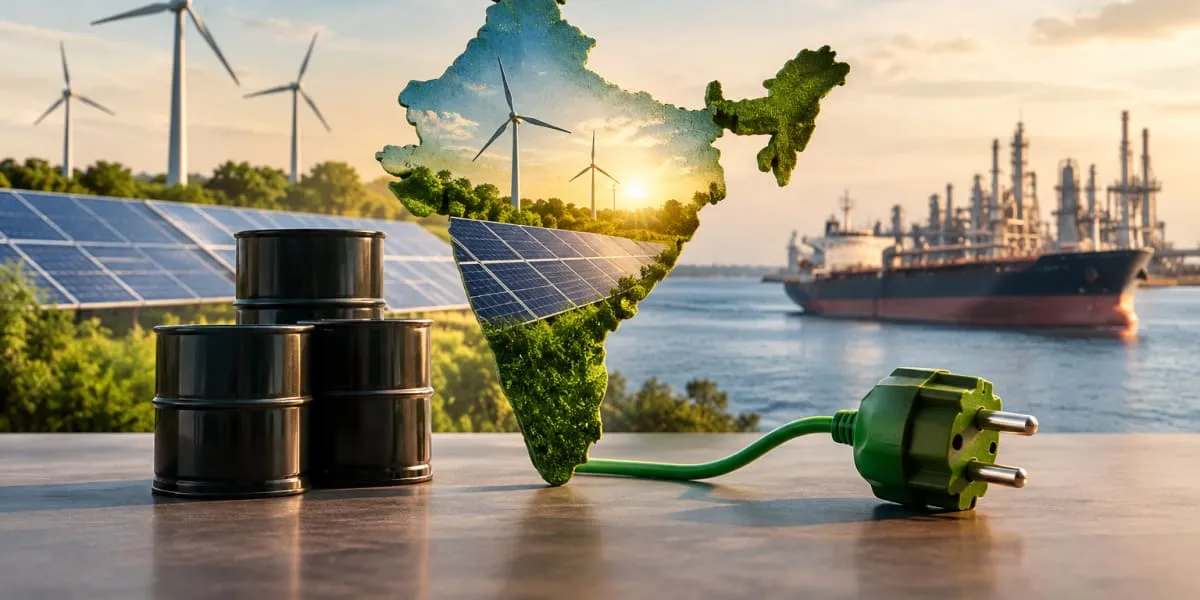
India’s energy demand is expected to grow more over the next decade than that of any other country or region, but rising electrification and the expansion of renewable energy could help it reduce dependence on imported fossil fuels, according to the International Energy Agency (IEA).

The assessment, published in the IEA’s World Energy Outlook, said India aims to achieve energy independence by 2047. At present, imports meet 40 per cent of the country’s energy demand, leaving it exposed to supply disruptions and wider geopolitical tensions, including those linked to the crisis in West Asia.

The report projected rapid growth in energy-intensive activity over the coming decade. India is expected to add 12,000 cars a day, while built-up space is set to rise by 33 per cent. The country is also expected to add 200 mn air conditioners and increase production of iron, steel and cement, all of which will raise demand for energy and electricity.

The IEA said India’s energy landscape was evolving as electricity replaced fossil fuels in more areas of consumption. This transition is being supported by a higher share of low-emissions sources in the power-generation mix, with solar photovoltaic technology accounting for half of India’s capacity additions over the past decade.

India reached its target of having half of its installed power capacity come from non-fossil sources in 2025, five years ahead of schedule, the report said. The achievement reflects the rapid expansion of renewable power and provides a foundation for further electrification across transport, buildings and industry.

The agency’s assessment indicated that continued investment in clean generation, electricity networks and efficient technologies would be important for managing the country’s rising demand. These measures could strengthen energy security while supporting India’s longer-term objective of reducing import dependence by 2047.

India’s energy demand is expected to grow more over the next decade than that of any other country or region, but rising electrification and the expansion of renewable energy could help it reduce dependence on imported fossil fuels, according to the International Energy Agency (IEA). The assessment, published in the IEA’s World Energy Outlook, said India aims to achieve energy independence by 2047. At present, imports meet 40 per cent of the country’s energy demand, leaving it exposed to supply disruptions and wider geopolitical tensions, including those linked to the crisis in West Asia. The report projected rapid growth in energy-intensive activity over the coming decade. India is expected to add 12,000 cars a day, while built-up space is set to rise by 33 per cent. The country is also expected to add 200 mn air conditioners and increase production of iron, steel and cement, all of which will raise demand for energy and electricity. The IEA said India’s energy landscape was evolving as electricity replaced fossil fuels in more areas of consumption. This transition is being supported by a higher share of low-emissions sources in the power-generation mix, with solar photovoltaic technology accounting for half of India’s capacity additions over the past decade. India reached its target of having half of its installed power capacity come from non-fossil sources in 2025, five years ahead of schedule, the report said. The achievement reflects the rapid expansion of renewable power and provides a foundation for further electrification across transport, buildings and industry. The agency’s assessment indicated that continued investment in clean generation, electricity networks and efficient technologies would be important for managing the country’s rising demand. These measures could strengthen energy security while supporting India’s longer-term objective of reducing import dependence by 2047.

Related Stories

Gold Stories
Next Story
Infrastructure Urban

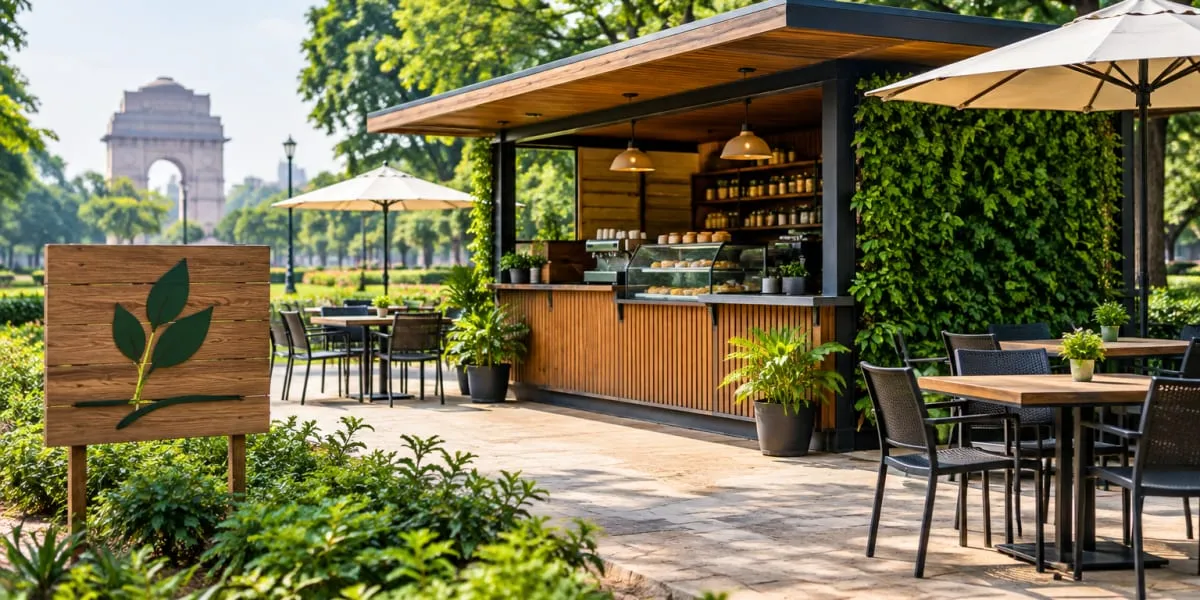
NDMC Approves Five Prakriti Cafés in Three Delhi Parks

The New Delhi Municipal Council (NDMC) approved the setting up of five Prakriti Cafés across three prominent parks in the capital during its council meeting on Tuesday. The locations include Lodhi Garden, Nehru Park and BRICS Garden on Shanti Path. Two cafés will be developed in Lodhi Garden, while two others will come up in Nehru Park. The remaining café is planned for BRICS Garden. The council granted in-principle approval to explore the project under the Build-Operate-Transfer (BOT) model. Under the proposed arrangement, the selected agency will develop the cafés at its own cost and man..
Next Story
Infrastructure Transport

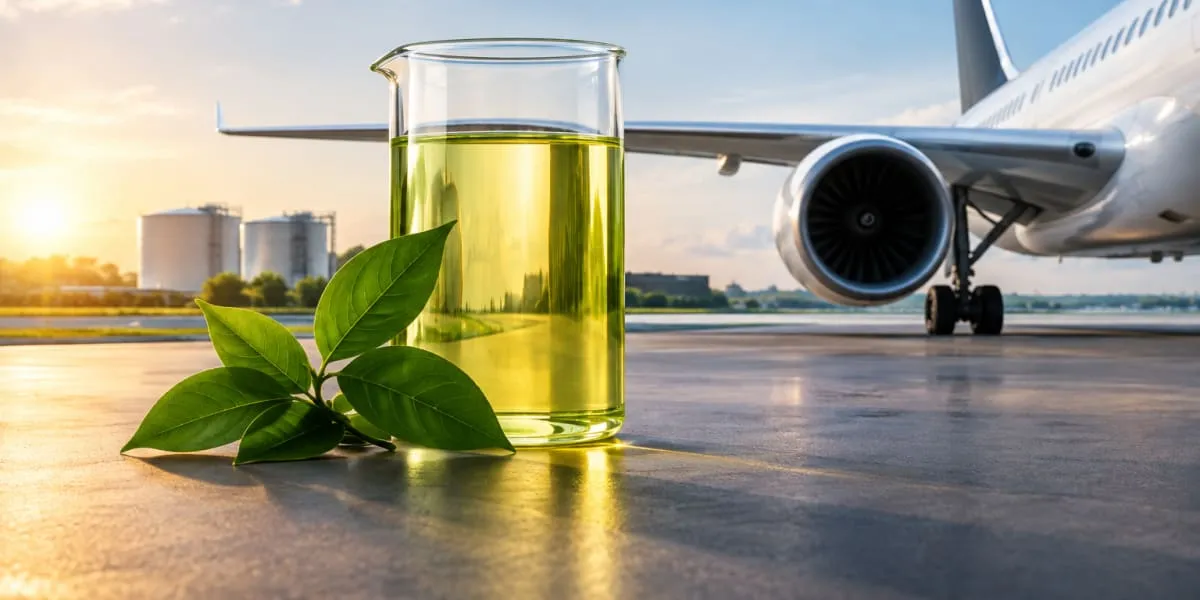
Air India and Airbus to Build India's First Corporate SAF Programme

Air India and Airbus have partnered to develop a framework for India’s first voluntary corporate Sustainable Aviation Fuel (SAF) programme. The feasibility study will examine how businesses can reduce lifecycle emissions associated with air travel by voluntarily supporting the procurement and use of SAF. Jürgen Westermeier, President and Managing Director of Airbus India and South Asia, and P Balaji, Group Head of Governance, Risk and Compliance and Corporate Affairs at Air India, signed the Feasibility Study Agreement. The signing took place in the presence of Rammohan Naidu Kinjarapu, Min..
Next Story
Infrastructure Energy

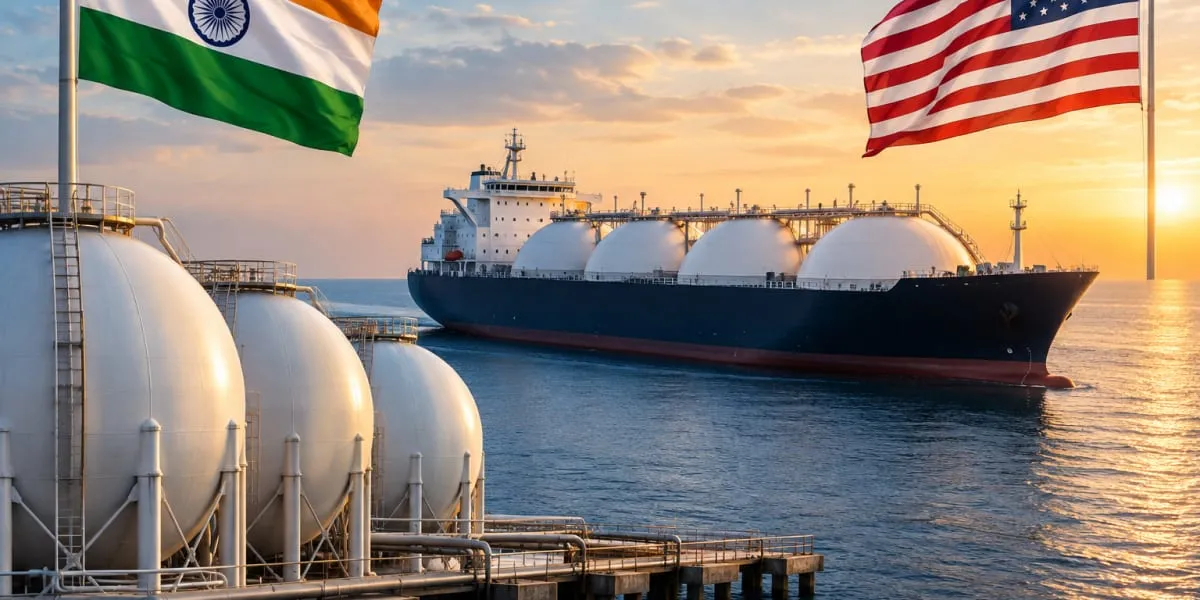
Indian Companies to Buy US LPG from Four Firms in 2027

Indian state-run oil companies have awarded a joint tender to Saudi Aramco, Chevron, TotalEnergies Trading SA (Totsa) and Vitol for the import of about 2.75 mn t of US liquefied petroleum gas (LPG) in 2027. The contracts are intended to diversify supplies and reduce India’s reliance on the Middle East. Indian Oil, Bharat Petroleum and Hindustan Petroleum floated the tender in September. They sought four very large gas carrier (VLGC) cargoes each month on a delivered basis and one cargo each month on a free-on-board basis from the US. A VLGC typically carries about 46,000 t of LPG, which cons..

Advertisement

Subscribe to Our Newsletter

Get daily newsletters around different themes from Construction world.

STAY CONNECTED

Advertisement

SPECIAL OFFER
QR Code