Scania unveils battery-electric bus platform at Busworld Europe
POWER & RENEWABLE ENERGY

Scania unveils battery-electric bus platform at Busworld Europe

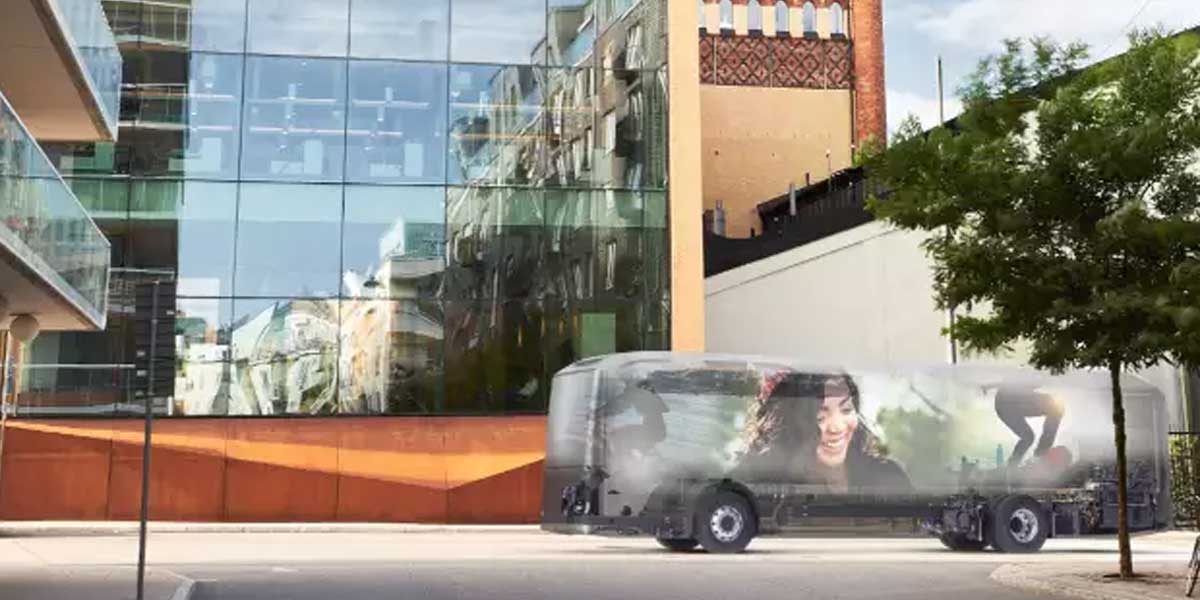
The new Scania battery-electric bus platform, which is a part of the company's comprehensive e-mobility solutions encompassing vehicles, services, and systems, made its debut at Busworld, Europe. It introduced low-entry 4x2 buses equipped with sustainably sourced and built batteries offering an extensive energy storage capacity of up to 520 kWh. These batteries, specifically designed for heavy commercial vehicles, enable a range of over 500 km under optimal conditions.

Scania's journey toward electrification began with field tests of hybrid electric buses in 2007. Presently, with the launch of the new Scania battery-electric bus platform and complementary e-mobility solutions, Scania is progressing along its electrification roadmap.

The goal is to achieve Science-Based Targets for CO2 reduction and to provide quiet, zero-emission transportation for people and communities globally.

According to a statement released by the company, Scania's e-mobility offerings include various services such as site energy and operational analysis, charging units, financing, installation, and more. These services guide organisations throughout the implementation process, ensuring reliable and efficient operations.

The new Scania battery-electric bus platform, which is a part of the company's comprehensive e-mobility solutions encompassing vehicles, services, and systems, made its debut at Busworld, Europe. It introduced low-entry 4x2 buses equipped with sustainably sourced and built batteries offering an extensive energy storage capacity of up to 520 kWh. These batteries, specifically designed for heavy commercial vehicles, enable a range of over 500 km under optimal conditions. Scania's journey toward electrification began with field tests of hybrid electric buses in 2007. Presently, with the launch of the new Scania battery-electric bus platform and complementary e-mobility solutions, Scania is progressing along its electrification roadmap. The goal is to achieve Science-Based Targets for CO2 reduction and to provide quiet, zero-emission transportation for people and communities globally. According to a statement released by the company, Scania's e-mobility offerings include various services such as site energy and operational analysis, charging units, financing, installation, and more. These services guide organisations throughout the implementation process, ensuring reliable and efficient operations.

Next Story
Infrastructure Urban

Implementation Status of Jal Jeevan Mission

Since August 2019 the Government has implemented Jal Jeevan Mission to provide assured potable water through household tap connections in rural India. At the start of the mission only 32.3 million (mn) rural households, representing 16.7 per cent, were reported to have tap water connections. States and union territories have reported that 125.8 mn additional rural households have since been provided with tap connections. As a result, of about 193.6 mn rural households roughly 158.2 mn, or 81.71 per cent, are reported to have tap water supply at home.\n\nThe State, district and village level st..

Next Story
Infrastructure Urban

Jal Jeevan Mission Reaches Eighty One Per Cent Rural Coverage

The Government reported substantial progress under the Jal Jeevan Mission, launched in August 2019 to provide tap water to every rural household. At launch only 32.3 million (mn) rural households had tap connections and states and Union territories reported provision of 125.8 mn additional households by March 2026. Consequently, out of about 193.6 mn rural households around 158.2 mn, or 81.71 per cent, are reported to have tap water at home. The Finance Minister announced extension of the mission until 2028 in the 2025-26 budget speech. The Swachh Bharat Mission Grameen, launched in October 20..

Next Story
Infrastructure Urban

Empowering Local Governance for Sustainable Rural Water Supply

The Ministry of Jal Shakti has aligned the Jal Jeevan Mission (JJM) with the 73rd Amendment to strengthen village level planning and community ownership of water supply. Gram Panchayats, village water and sanitation committees and Pani Samitis are to plan, implement, manage and maintain piped water systems, with gram sabha processes formalising handover and oversight. Implementation support agencies including non government organisations, community based organisations and self help groups have been empanelled to train local committees and promote women participation. Under JJM, the department ..

Advertisement

Subscribe to Our Newsletter

Get daily newsletters around different themes from Construction world.

STAY CONNECTED

Advertisement

Advertisement

Advertisement