Second largest PV facility receives LEED Gold certification
POWER & RENEWABLE ENERGY

Second largest PV facility receives LEED Gold certification

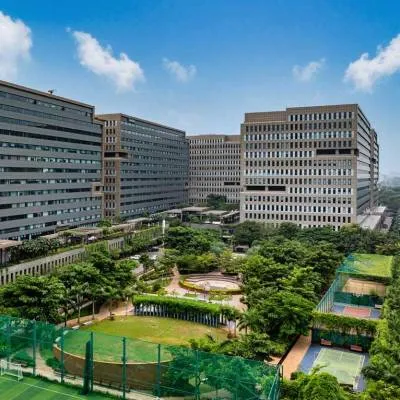
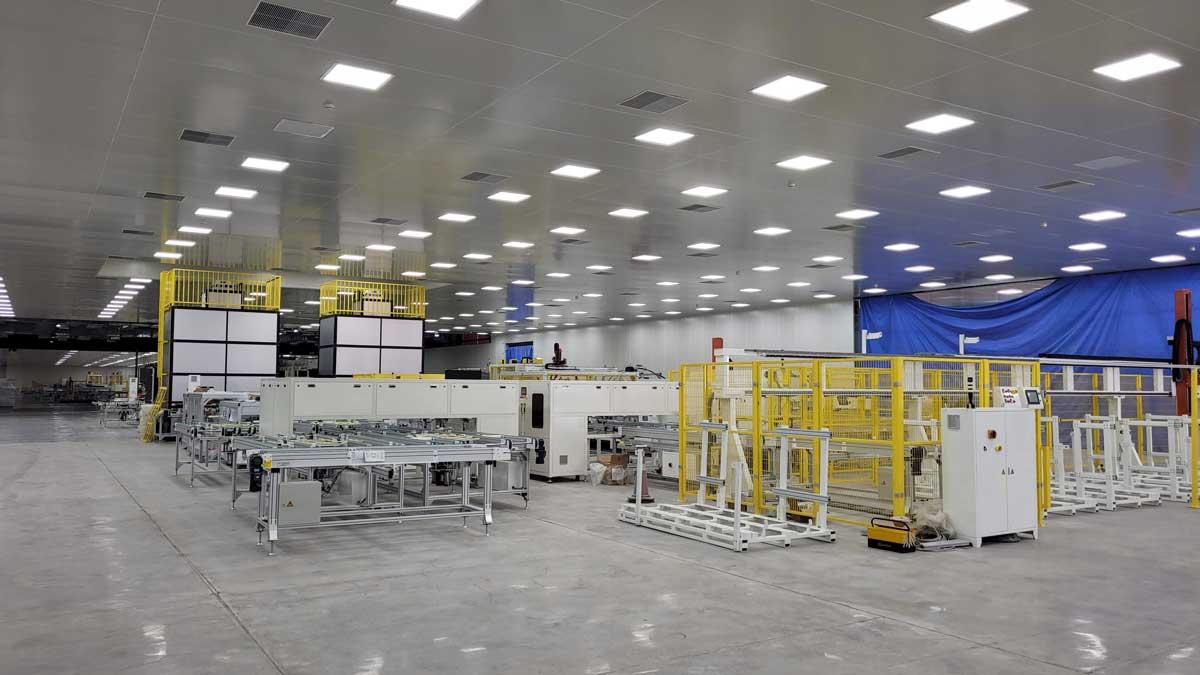
The Premier Energies photovoltaic facility at Electronic City in Telangana is a state-of-the-art facility for manufacturing solar modules and solar cells. This is the second largest facility in India and the largest in South India. This facility is spread over 25 acre with 250,000 sq ft of manufacturing area including a 80,000 sq ft clean room and a host of utilities including a gas, chemical and water treatment plant.

This facility has become the first solar cell and module manufacturing facility in India to be awarded the LEED Gold certification. Sudhir Reddy, Director, Premier Energies, tells CWDB more.

During construction

The construction of this plant had started just before COVID-19 in 2020 – it finished in 2021. This was the most difficult period and quite a challenge.

The entire construction is based on the PEB construction technique. The structure has been optimised for natural air ventilation and designed to be highly water and energy-efficient and minimise the industrial waste generated. Additionally, we identified recyclers and industries that use construction waste in their projects. We worked with recyclers to dispose of cement bags for alternate use. Packing material was given to specific paper and cardboard recyclers.

Sustainable interventions

Solar energy is one of the cleanest energy options available and, thus, a plant manufacturing solar panels should adhere to the best sustainable practices. With this in mind, Premier embarked on creating a sustainable and environment-friendly industrial setup. The plant consumes roughly about 750 kld water and is equipped with a zero liquid discharge system that provides 90 per cent recovery. We have a 5,000 kl rainwater storage tank that is used to store rainwater and use it in place of raw water from the municipality.

To read more about the project, CLICK HERE.

The Premier Energies photovoltaic facility at Electronic City in Telangana is a state-of-the-art facility for manufacturing solar modules and solar cells. This is the second largest facility in India and the largest in South India. This facility is spread over 25 acre with 250,000 sq ft of manufacturing area including a 80,000 sq ft clean room and a host of utilities including a gas, chemical and water treatment plant. This facility has become the first solar cell and module manufacturing facility in India to be awarded the LEED Gold certification. Sudhir Reddy, Director, Premier Energies, tells CWDB more. During construction The construction of this plant had started just before COVID-19 in 2020 – it finished in 2021. This was the most difficult period and quite a challenge. The entire construction is based on the PEB construction technique. The structure has been optimised for natural air ventilation and designed to be highly water and energy-efficient and minimise the industrial waste generated. Additionally, we identified recyclers and industries that use construction waste in their projects. We worked with recyclers to dispose of cement bags for alternate use. Packing material was given to specific paper and cardboard recyclers. Sustainable interventions Solar energy is one of the cleanest energy options available and, thus, a plant manufacturing solar panels should adhere to the best sustainable practices. With this in mind, Premier embarked on creating a sustainable and environment-friendly industrial setup. The plant consumes roughly about 750 kld water and is equipped with a zero liquid discharge system that provides 90 per cent recovery. We have a 5,000 kl rainwater storage tank that is used to store rainwater and use it in place of raw water from the municipality. To read more about the project, CLICK HERE.

Next Story
Infrastructure Urban

Implementation Status of Jal Jeevan Mission

Since August 2019 the Government has implemented Jal Jeevan Mission to provide assured potable water through household tap connections in rural India. At the start of the mission only 32.3 million (mn) rural households, representing 16.7 per cent, were reported to have tap water connections. States and union territories have reported that 125.8 mn additional rural households have since been provided with tap connections. As a result, of about 193.6 mn rural households roughly 158.2 mn, or 81.71 per cent, are reported to have tap water supply at home.\n\nThe State, district and village level st..

Next Story
Infrastructure Urban

Jal Jeevan Mission Reaches Eighty One Per Cent Rural Coverage

The Government reported substantial progress under the Jal Jeevan Mission, launched in August 2019 to provide tap water to every rural household. At launch only 32.3 million (mn) rural households had tap connections and states and Union territories reported provision of 125.8 mn additional households by March 2026. Consequently, out of about 193.6 mn rural households around 158.2 mn, or 81.71 per cent, are reported to have tap water at home. The Finance Minister announced extension of the mission until 2028 in the 2025-26 budget speech. The Swachh Bharat Mission Grameen, launched in October 20..

Next Story
Infrastructure Urban

Empowering Local Governance for Sustainable Rural Water Supply

The Ministry of Jal Shakti has aligned the Jal Jeevan Mission (JJM) with the 73rd Amendment to strengthen village level planning and community ownership of water supply. Gram Panchayats, village water and sanitation committees and Pani Samitis are to plan, implement, manage and maintain piped water systems, with gram sabha processes formalising handover and oversight. Implementation support agencies including non government organisations, community based organisations and self help groups have been empanelled to train local committees and promote women participation. Under JJM, the department ..

Advertisement

Subscribe to Our Newsletter

Get daily newsletters around different themes from Construction world.

STAY CONNECTED

Advertisement

Advertisement

Advertisement