+
Southern railway seeks bids for 1.2 MW rooftop solar in Chennai
POWER & RENEWABLE ENERGY

Southern railway seeks bids for 1.2 MW rooftop solar in Chennai

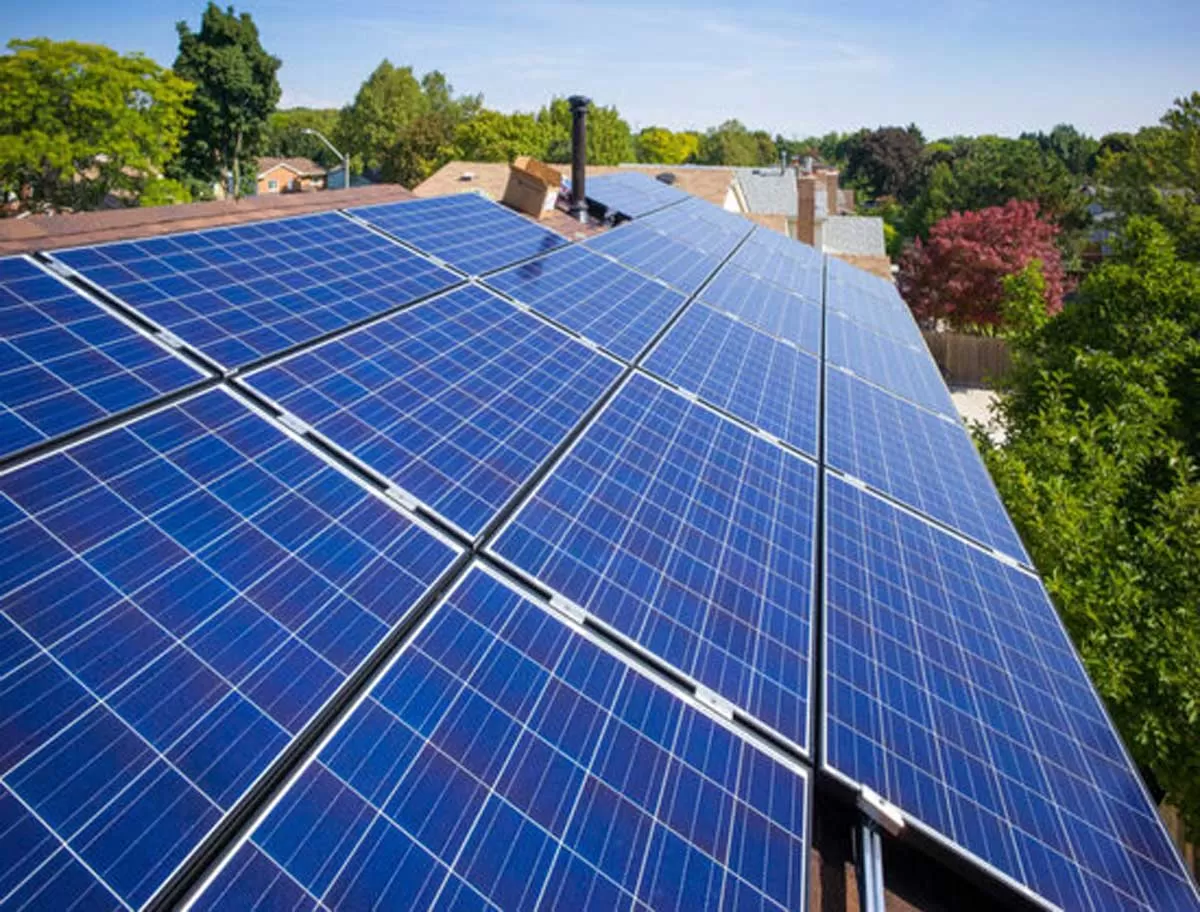
The Southern Railway announced an invitation for bids regarding the installation of 1.2 MW rooftop solar projects at various locations in Perambur, Chennai, under the renewable energy service company (RESCO) model. It was mentioned that the bids would commence on May 7, 2024, and the deadline for submission of bids was set for May 21, 2024.

It was stated that the project, estimated at Rs 169.8 million, forms a part of the Indian Railways? strategy to utilize renewable energy sources for its operations. The responsibilities encompassing the design, engineering, procurement, construction, installation, testing, commissioning of the rooftop solar PV system, and its operation would fall upon the successful bidder.

Potential bidders were informed that the cost of the tender document stood at Rs 34,810, while a required earnest money deposit of Rs 1.28 million was necessary. Eligibility criteria were detailed, with bidders needing to demonstrate an average annual turnover of at least Rs 15 million over the past three financial years, along with maintaining a positive net worth during that period. Additionally, they were required to have installed either a minimum of 200 kWp of grid-connected rooftop solar systems or 1,000 kWp of any grid-connected systems.

The announcement allowed joint venture firms to participate, with bids being ranked from lowest to highest based on the tariff rate quoted by the bidders. It was emphasized that tariff rates should be exclusive of taxes and levies, such as self-generation tax, network charges, and potential future taxes, which would be borne by the Railways.

The successful bidder was obligated to complete the project within 240 days from the date of contract award.

In a related development, the South Eastern Railway had recently invited bids to empanel agencies for the establishment of 8.383 MW of grid-connected rooftop solar power projects in Odisha, Jharkhand, and West Bengal through public-private partnerships, following a design, build, finance, operate, and transfer approach.

Furthermore, the Asansol Division of the Eastern Railway in West Bengal had previously invited bids from solar developers for the installation of 1 MW grid-connected rooftop solar projects, also following a design, build, finance, operate, and transfer basis.

The Southern Railway announced an invitation for bids regarding the installation of 1.2 MW rooftop solar projects at various locations in Perambur, Chennai, under the renewable energy service company (RESCO) model. It was mentioned that the bids would commence on May 7, 2024, and the deadline for submission of bids was set for May 21, 2024. It was stated that the project, estimated at Rs 169.8 million, forms a part of the Indian Railways? strategy to utilize renewable energy sources for its operations. The responsibilities encompassing the design, engineering, procurement, construction, installation, testing, commissioning of the rooftop solar PV system, and its operation would fall upon the successful bidder. Potential bidders were informed that the cost of the tender document stood at Rs 34,810, while a required earnest money deposit of Rs 1.28 million was necessary. Eligibility criteria were detailed, with bidders needing to demonstrate an average annual turnover of at least Rs 15 million over the past three financial years, along with maintaining a positive net worth during that period. Additionally, they were required to have installed either a minimum of 200 kWp of grid-connected rooftop solar systems or 1,000 kWp of any grid-connected systems. The announcement allowed joint venture firms to participate, with bids being ranked from lowest to highest based on the tariff rate quoted by the bidders. It was emphasized that tariff rates should be exclusive of taxes and levies, such as self-generation tax, network charges, and potential future taxes, which would be borne by the Railways. The successful bidder was obligated to complete the project within 240 days from the date of contract award. In a related development, the South Eastern Railway had recently invited bids to empanel agencies for the establishment of 8.383 MW of grid-connected rooftop solar power projects in Odisha, Jharkhand, and West Bengal through public-private partnerships, following a design, build, finance, operate, and transfer approach. Furthermore, the Asansol Division of the Eastern Railway in West Bengal had previously invited bids from solar developers for the installation of 1 MW grid-connected rooftop solar projects, also following a design, build, finance, operate, and transfer basis.

Related Stories

Gold Stories

Next Story
Infrastructure Urban

KONE Opens India's First Digital Experience Centre in Pune

KONE, a global elevator and escalator manufacturer, has inaugurated its first Digital Experience Centre (DEC) in India, located in Pune. The facility aims to showcase how artificial intelligence (AI), connectivity and data-driven technologies can enhance customer experiences and improve building operations.The centre was inaugurated by Jussi Herlin, Executive Vice Chair, KONE Corporation; Philippe Delorme, President and CEO, KONE; and Nandan Nilekani, Co-founder and Chairman of the Board, Infosys.Designed as an interactive customer environment, the facility demonstrates digital solutions cover..

Next Story
Infrastructure Urban

CII GreenCo Launches Circularity Guidelines for Indian Industry

The Confederation of Indian Industry (CII) GreenCo Council has launched the CII GreenCo Circularity Guidelines – Pilot Version at the 17th CII GreenCo Waste & Resource Management Summit 2026 in Chennai. The initiative aims to strengthen resource efficiency, waste reduction and circular economy practices across Indian manufacturing and process industries.The guidelines introduce a structured framework with circularity indices covering raw materials, consumables, packaging and other resource inputs. These indicators will help industries assess existing practices, identify opportunities to ..

Next Story
Infrastructure Energy

Global Electronics Association Launches IPC-1783-CO2E Standard

The Global Electronics Association has introduced IPC-1783-CO2E, a new international standard aimed at improving consistency, transparency and comparability in product carbon footprint reporting across the electronics manufacturing industry.The standard, titled International Standard for Data Collection and Reporting of CO2 Equivalent (CO2e) Emissions for the Electronics Manufacturing Supply Chain, provides industry-specific guidance for collecting, estimating and reporting carbon emissions data.With increasing regulatory requirements and customer expectations, electronics manufacturers face c..

Advertisement

Subscribe to Our Newsletter

Get daily newsletters around different themes from Construction world.

STAY CONNECTED

Advertisement

SPECIAL OFFER
QR Code