State Energy Efficiency Index 2020: Rajasthan secures second spot
POWER & RENEWABLE ENERGY

State Energy Efficiency Index 2020: Rajasthan secures second spot

Rajasthan has secured the second spot after Karnataka in the State Energy Efficiency Index (SEEI) 2020, released by the Ministry of Power.

Dr Subodh Agarwal, ACS Energy, Rajasthan government, told the media that it is a significant leap for the state and has been possible due to the focused approach and policy initiatives of the state government.

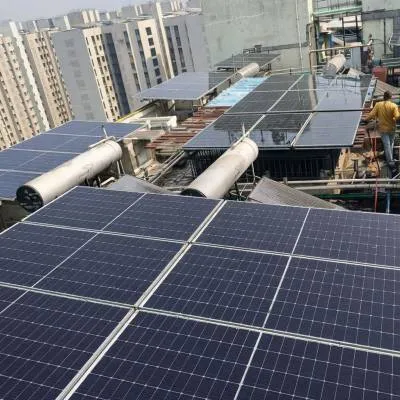
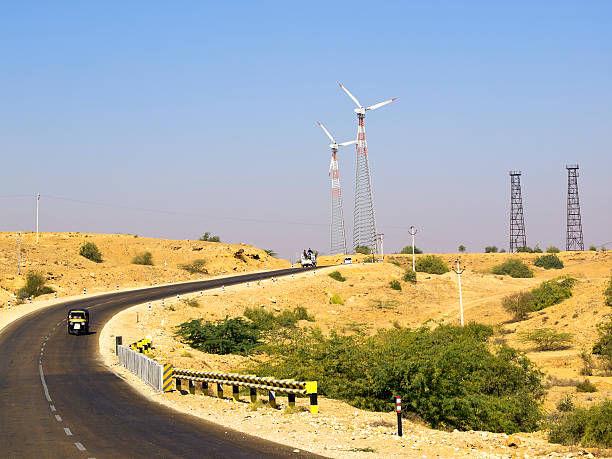
The Solar Energy Policy 2019 and the Wind and Hybrid Energy Policy 2019 have developed as a significant facilitator for providing the natural benefit Rajasthan holds in the renewable energy sector.

In the recent report, Rajasthan has recorded 61 points, which is a tremendous growth from 18.5 points at the past year index, SEEI 2019.

Rajasthan bagged second place after Karnataka this year.

The SEE index evaluates the states in four levels of Aspirant with a score below 30 points, Contenders with a score between 30-50, Achievers with a score of 50-60 and the Frontrunners with more than 60 points score. SEEI 2020 has evaluated the performance of 36 states and Union territories in energy efficiency (EE) utilising 68 qualitative, quantitative, and outcome-based indicators adding to a maximum score of 100 across six sectors.

The energy minister of the Rajasthan government, BD Kalla has been closely observing the execution of policies and implementation of needed procedures, said an official release.

Rajasthan, the second-highest performer, is the only state to have developed an ECBC cell in its Public Works Department (PWD). The cell supported by the state fund works under the control of the Chief Architect, PWD. The SEEI 2020 report additionally makes a note of energy-saving initiatives taken by the state in water and sewerage, street lighting and non-PAT industries.

Rajasthan has selected dedicated firms to carry out periodic energy audits of street lighting, water and sewerage infrastructure, and water treatment systems. It is also among the few states that recorded a measurement, reporting, and verification (MRV) mechanism for assessing DSM programmes.

The Rajasthan State Development Authority plans the Rajasthan Energy Conservation Awards (RECA) every year for five sectors and fifty sub-sectors.

Image Source

Rajasthan has secured the second spot after Karnataka in the State Energy Efficiency Index (SEEI) 2020, released by the Ministry of Power. Dr Subodh Agarwal, ACS Energy, Rajasthan government, told the media that it is a significant leap for the state and has been possible due to the focused approach and policy initiatives of the state government. The Solar Energy Policy 2019 and the Wind and Hybrid Energy Policy 2019 have developed as a significant facilitator for providing the natural benefit Rajasthan holds in the renewable energy sector. In the recent report, Rajasthan has recorded 61 points, which is a tremendous growth from 18.5 points at the past year index, SEEI 2019. Rajasthan bagged second place after Karnataka this year. The SEE index evaluates the states in four levels of Aspirant with a score below 30 points, Contenders with a score between 30-50, Achievers with a score of 50-60 and the Frontrunners with more than 60 points score. SEEI 2020 has evaluated the performance of 36 states and Union territories in energy efficiency (EE) utilising 68 qualitative, quantitative, and outcome-based indicators adding to a maximum score of 100 across six sectors. The energy minister of the Rajasthan government, BD Kalla has been closely observing the execution of policies and implementation of needed procedures, said an official release. Rajasthan, the second-highest performer, is the only state to have developed an ECBC cell in its Public Works Department (PWD). The cell supported by the state fund works under the control of the Chief Architect, PWD. The SEEI 2020 report additionally makes a note of energy-saving initiatives taken by the state in water and sewerage, street lighting and non-PAT industries. Rajasthan has selected dedicated firms to carry out periodic energy audits of street lighting, water and sewerage infrastructure, and water treatment systems. It is also among the few states that recorded a measurement, reporting, and verification (MRV) mechanism for assessing DSM programmes. The Rajasthan State Development Authority plans the Rajasthan Energy Conservation Awards (RECA) every year for five sectors and fifty sub-sectors. Image Source

Next Story
Infrastructure Transport

Dhalbhumgarh Airport Faces 150-km Rule Hurdle

The issue has resurfaced following a recent statement by Union Civil Aviation Minister Ram Mohan Naidu, who said that under existing aviation policy, a new greenfield airport is generally not permitted within an aerial distance of 150 kilometres of an operational civilian airport. He added, however, that if a formal proposal is submitted, its impact on the existing airport can be examined and relaxations may be considered on a case-by-case basis. While the clarification has revived some hope for Dhalbhumgarh, it has also underlined the scale of the technical challenge facing the project. Unde..

Next Story
Infrastructure Transport

Stakeholders Seek Parallel Ops For Vizag Airports

With road and metro rail links to Bhogapuram still several years away, stakeholders in north Andhra Pradesh have renewed demands to continue civil operations at INS Dega even after the commissioning of Bhogapuram International Airport. The new airport is expected to begin commercial operations from June. Officials said close to 80 per cent of the airport infrastructure at Bhogapuram, including the terminal building and internal approach roads, has already been completed. However, inadequate external connectivity remains a key concern. Making a case for parallel operations, Andhra Pradesh Air ..

Next Story
Infrastructure Transport

Govt To Roll Out V2V Tech To Cut Road Crashes

In an effort to curb road accidents, particularly in low-visibility conditions such as dense fog, the government is set to roll out vehicle-to-vehicle (V2V) communication technology that will allow cars to exchange real-time data and alert drivers to potential dangers. The announcement was made by Union Road Transport and Highways Minister Nitin Gadkari after the 43rd meeting of the Transport Development Council. The technology involves installing an on-board unit (OBU) in vehicles, enabling wireless data exchange between nearby cars. This will allow vehicles to share information such as spee..

Advertisement

Subscribe to Our Newsletter

Get daily newsletters around different themes from Construction world.

STAY CONNECTED

Advertisement

Advertisement

Advertisement

Advertisement

Open In App