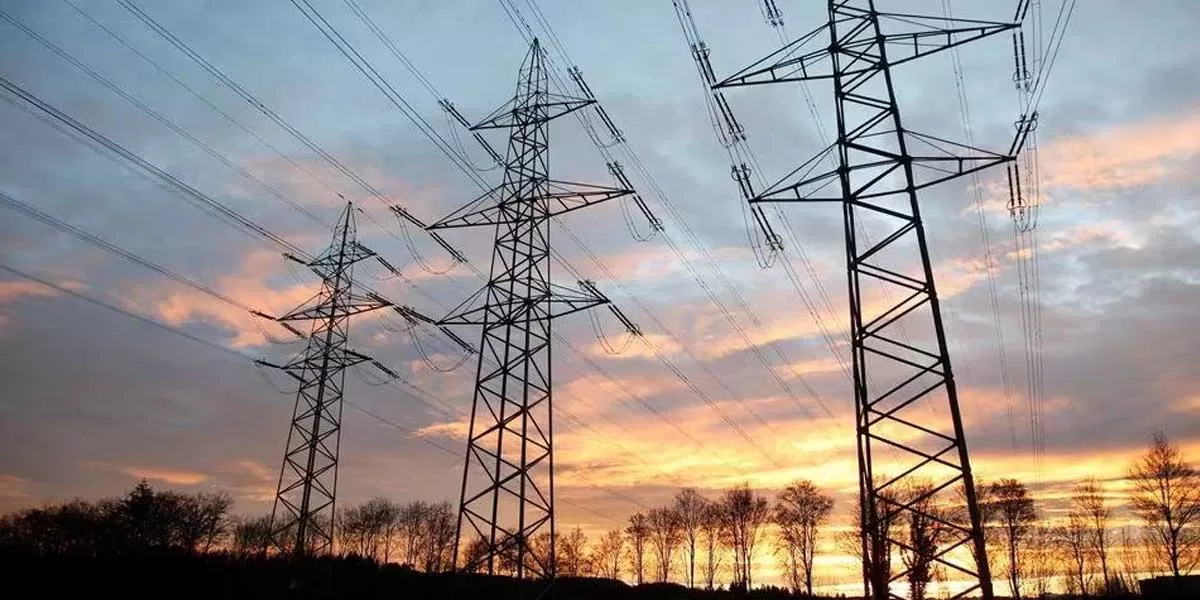
Tamil Nadu Explores PPP Route for Rs 4,500 Crore Power Transmission Project
POWER & RENEWABLE ENERGY

Tamil Nadu Explores PPP Route for Rs 4,500 Crore Power Transmission Project

In a pioneering move, the Tamil Nadu Transmission Corporation (Tantransco) is venturing into the tariff-based competitive bidding (TBCB) model to develop a new greenfield 765/400 kV substation in the Coimbatore region. This initiative, part of a larger power transmission project worth Rs 4,500 crore, also includes the development of 240 kilometers of transmission lines extending from Ariyalur to Tirupur, where the new facility will be established. This decision marks a significant shift from traditional state-funded projects to public-private partnership (PPP) models.

The 765 kV substation, located in Uthukuli, Tirupur, will be built on a 100-acre site, with the acquisition of an additional 32 acres currently in progress. The project’s core objective is to enhance the state’s existing transmission infrastructure, reduce power loss during long-distance transmission, and ensure the smooth flow of electricity to various load centers across Tamil Nadu. The new substation will specifically cater to Coimbatore, a crucial load center, by facilitating the export of power from the North Chennai Pooling Station via the Ariyalur 765 kV substation.

This massive power infrastructure project is a key part of Tantransco’s broader plan to develop a robust 765 kV transmission network that will improve efficiency across the state. The new substation will connect with various 230 kV substations, including OK Mandabam, Ponnapuram, Selvapuram, and Palladam, through 47 kilometers of sanctioned 400 kV feeder lines. The feeder lines will further connect to the Edayarpalayam 400 kV substation, ensuring efficient power supply across the region.

A significant advantage of the TBCB route is the avoidance of upfront investment costs by the State utility, making it a more financially viable option. The Tamil Nadu Infrastructure Development Board (TIDB) has issued a tender for appointing a transaction advisor who will oversee the competitive bidding process. Once the advisor is appointed, a subsidiary company will be created to manage the project’s execution, acting as the transmission service provider.

This 765 kV transmission network is also linked to several other crucial energy infrastructure projects. The North Chennai Pooling Station (NCPS) is already operational and plays an important role in evacuating power from the newly commissioned 800 MW North Chennai Thermal Power Station (NCTPS) Stage III. In the future, it will also support the power evacuation from the proposed 1,320 MW Ennore Special Economic Zone (SEZ) Thermal Power Plant and the 660 MW Expansion of the Ennore Thermal Power Station (ETPS). Both of these developments are expected to further bolster the state’s power supply and contribute to energy security in Tamil Nadu.

Additionally, the Tantransco project has broader implications for the state’s energy landscape, including supporting the increased demand for power as urbanization expands and industrial activity accelerates. The successful implementation of this PPP-based power transmission initiative will likely set a precedent for similar projects in the future, transforming the state’s energy infrastructure and attracting private investment in the sector.

In a pioneering move, the Tamil Nadu Transmission Corporation (Tantransco) is venturing into the tariff-based competitive bidding (TBCB) model to develop a new greenfield 765/400 kV substation in the Coimbatore region. This initiative, part of a larger power transmission project worth Rs 4,500 crore, also includes the development of 240 kilometers of transmission lines extending from Ariyalur to Tirupur, where the new facility will be established. This decision marks a significant shift from traditional state-funded projects to public-private partnership (PPP) models. The 765 kV substation, located in Uthukuli, Tirupur, will be built on a 100-acre site, with the acquisition of an additional 32 acres currently in progress. The project’s core objective is to enhance the state’s existing transmission infrastructure, reduce power loss during long-distance transmission, and ensure the smooth flow of electricity to various load centers across Tamil Nadu. The new substation will specifically cater to Coimbatore, a crucial load center, by facilitating the export of power from the North Chennai Pooling Station via the Ariyalur 765 kV substation. This massive power infrastructure project is a key part of Tantransco’s broader plan to develop a robust 765 kV transmission network that will improve efficiency across the state. The new substation will connect with various 230 kV substations, including OK Mandabam, Ponnapuram, Selvapuram, and Palladam, through 47 kilometers of sanctioned 400 kV feeder lines. The feeder lines will further connect to the Edayarpalayam 400 kV substation, ensuring efficient power supply across the region. A significant advantage of the TBCB route is the avoidance of upfront investment costs by the State utility, making it a more financially viable option. The Tamil Nadu Infrastructure Development Board (TIDB) has issued a tender for appointing a transaction advisor who will oversee the competitive bidding process. Once the advisor is appointed, a subsidiary company will be created to manage the project’s execution, acting as the transmission service provider. This 765 kV transmission network is also linked to several other crucial energy infrastructure projects. The North Chennai Pooling Station (NCPS) is already operational and plays an important role in evacuating power from the newly commissioned 800 MW North Chennai Thermal Power Station (NCTPS) Stage III. In the future, it will also support the power evacuation from the proposed 1,320 MW Ennore Special Economic Zone (SEZ) Thermal Power Plant and the 660 MW Expansion of the Ennore Thermal Power Station (ETPS). Both of these developments are expected to further bolster the state’s power supply and contribute to energy security in Tamil Nadu. Additionally, the Tantransco project has broader implications for the state’s energy landscape, including supporting the increased demand for power as urbanization expands and industrial activity accelerates. The successful implementation of this PPP-based power transmission initiative will likely set a precedent for similar projects in the future, transforming the state’s energy infrastructure and attracting private investment in the sector.

Next Story
Infrastructure Transport

India Becomes First to Produce Bio-Bitumen for Roads

India has become the first country in the world to commercially produce bio-bitumen for use in road construction, according to Road, Transport and Highways Minister Nitin Gadkari. Bitumen, a black and viscous hydrocarbon derived from crude oil, is a key binding material in road building, and the bio-based alternative is expected to significantly improve the sector’s environmental footprint.Addressing the CSIR Technology Transfer Ceremony in New Delhi, Mr Gadkari congratulated Council of Scientific and Industrial Research on achieving the milestone, noting that the initiative would help curb ..

Next Story
Infrastructure Urban

HILT Policy Seen Boosting Telangana Revenue Sharply

The Hyderabad Industrial Land Transformation (HILT) Policy is expected to generate around Rs 1.08 billion in revenue for the Telangana state exchequer, according to Deputy Chief Minister Bhatti Vikramarka Mallu. Speaking in the Telangana Legislative Assembly, he said the policy would be implemented within a six-month timeframe in a transparent manner, with uniform rules applicable to all stakeholders. Mr Vikramarka noted that without the HILT Policy, the state would have earned only about Rs 1.2 million per acre. Under the new framework, however, revenue is projected to rise sharply to Rs 70 ..

Next Story
Infrastructure Urban

India Post, MoRD Tie Up to Boost Rural Inclusion

The Department of Posts and the Ministry of Rural Development have signed a Memorandum of Understanding to accelerate rural transformation and expand financial, digital and logistics services for Self-Help Groups (SHGs) and rural households across India. The agreement was signed in the presence of Union Minister of Communications and Development of North Eastern Region Jyotiraditya M. Scindia and Union Minister of Rural Development and Agriculture and Farmers’ Welfare Shivraj Singh Chouhan. The collaboration aligns with the government’s “Dak Sewa, Jan Sewa” vision and seeks to repositi..

Advertisement

Subscribe to Our Newsletter

Get daily newsletters around different themes from Construction world.

STAY CONNECTED

Advertisement

Advertisement

Advertisement

Advertisement

Open In App