Tata Power, Maharashtra Govt ink 2800 MW pumped hydro storage MoU
POWER & RENEWABLE ENERGY

Tata Power, Maharashtra Govt ink 2800 MW pumped hydro storage MoU

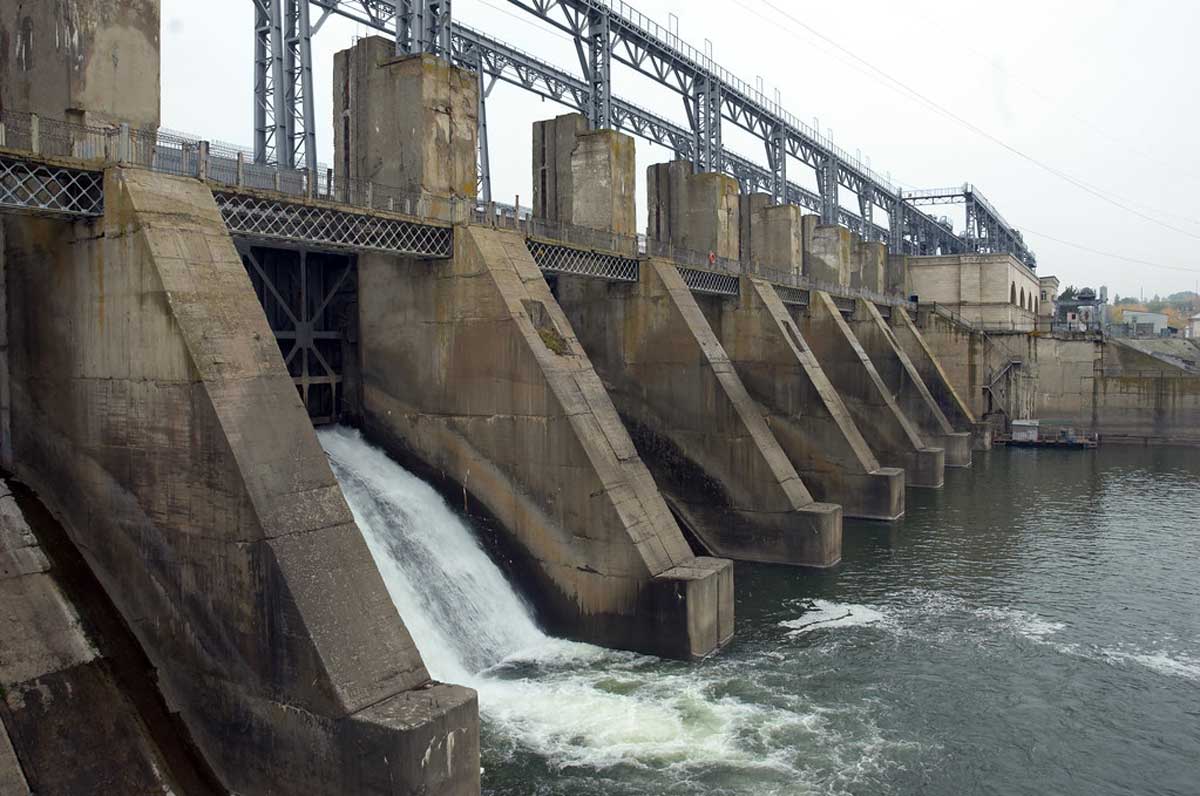
Tata Power and the Government of Maharashtra have announced that they have entered into a memorandum of understanding (MoU) to collaboratively develop two large Pumped Hydro Storage projects (PSP) in the state, with a combined capacity of 2800 Megawatts (MW).

It was revealed that these projects, which are expected to require an investment of approximately Rs 130 billion, are planned to be located in the districts of Shirawta, Pune (1800 MW), and Bhivpuri, Raigad (1000 MW).

According to Dr Praveer Sinha, the CEO & MD of Tata Power, Pumped Hydro Storage is considered a reliable and efficient method for energy storage. He expressed that these initiatives will play a crucial role in supporting the renewable solar and wind projects by ensuring a consistent 24/7 power supply.

Tata Power conveyed through a statement that this collaboration is strategically aligned with the state's ambitious objective of achieving a $1 trillion economy by 2028. Additionally, it is anticipated that over 6,000 employment opportunities will be generated as a result of these projects.

A Pumped Hydro Storage project utilises the kinetic energy of water to establish a stable and dependable power supply. During periods of surplus energy, water is transferred from a lower reservoir to a higher one. Conversely, during periods of peak demand, the stored water is utilized to power turbines, thereby facilitating the generation of electricity.

Tata Power further commented that this undertaking will significantly augment energy security by providing both peaking and continuous power supply. They highlighted that these capabilities, in conjunction with other renewable sources like solar and wind, will be instrumental. The company emphasised that the installation of a pumped hydro capacity of 2800 MW will substantially contribute to the country's efforts to increase cleaner capacity.

The Western Ghats, with their natural topographical features and favorable geology, have been identified as holding tremendous potential for hosting Pumped Storage Hydro Projects. Tata Power has a long-standing presence in this region, spanning a century, during which they have been operating three hydro power projects: Khopoli Hydro Generating Station, Bhivpuri Hydro Generating Station, and Bhira Hydro Generating Station, which includes a Pumped Storage Hydro project with a capacity of 150 MW.

Also read: 
NTPC, SJVN, Hinduja Win RUMSL's Phase II Solar Auction
BluPine and ACME Winners in RUVNL's 1.2 GW Solar


Tata Power and the Government of Maharashtra have announced that they have entered into a memorandum of understanding (MoU) to collaboratively develop two large Pumped Hydro Storage projects (PSP) in the state, with a combined capacity of 2800 Megawatts (MW). It was revealed that these projects, which are expected to require an investment of approximately Rs 130 billion, are planned to be located in the districts of Shirawta, Pune (1800 MW), and Bhivpuri, Raigad (1000 MW). According to Dr Praveer Sinha, the CEO & MD of Tata Power, Pumped Hydro Storage is considered a reliable and efficient method for energy storage. He expressed that these initiatives will play a crucial role in supporting the renewable solar and wind projects by ensuring a consistent 24/7 power supply. Tata Power conveyed through a statement that this collaboration is strategically aligned with the state's ambitious objective of achieving a $1 trillion economy by 2028. Additionally, it is anticipated that over 6,000 employment opportunities will be generated as a result of these projects. A Pumped Hydro Storage project utilises the kinetic energy of water to establish a stable and dependable power supply. During periods of surplus energy, water is transferred from a lower reservoir to a higher one. Conversely, during periods of peak demand, the stored water is utilized to power turbines, thereby facilitating the generation of electricity. Tata Power further commented that this undertaking will significantly augment energy security by providing both peaking and continuous power supply. They highlighted that these capabilities, in conjunction with other renewable sources like solar and wind, will be instrumental. The company emphasised that the installation of a pumped hydro capacity of 2800 MW will substantially contribute to the country's efforts to increase cleaner capacity. The Western Ghats, with their natural topographical features and favorable geology, have been identified as holding tremendous potential for hosting Pumped Storage Hydro Projects. Tata Power has a long-standing presence in this region, spanning a century, during which they have been operating three hydro power projects: Khopoli Hydro Generating Station, Bhivpuri Hydro Generating Station, and Bhira Hydro Generating Station, which includes a Pumped Storage Hydro project with a capacity of 150 MW. Also read:  NTPC, SJVN, Hinduja Win RUMSL's Phase II Solar Auction BluPine and ACME Winners in RUVNL's 1.2 GW Solar

Next Story
Infrastructure Transport

India Becomes First to Produce Bio-Bitumen for Roads

India has become the first country in the world to commercially produce bio-bitumen for use in road construction, according to Road, Transport and Highways Minister Nitin Gadkari. Bitumen, a black and viscous hydrocarbon derived from crude oil, is a key binding material in road building, and the bio-based alternative is expected to significantly improve the sector’s environmental footprint.Addressing the CSIR Technology Transfer Ceremony in New Delhi, Mr Gadkari congratulated Council of Scientific and Industrial Research on achieving the milestone, noting that the initiative would help curb ..

Next Story
Infrastructure Urban

HILT Policy Seen Boosting Telangana Revenue Sharply

The Hyderabad Industrial Land Transformation (HILT) Policy is expected to generate around Rs 1.08 billion in revenue for the Telangana state exchequer, according to Deputy Chief Minister Bhatti Vikramarka Mallu. Speaking in the Telangana Legislative Assembly, he said the policy would be implemented within a six-month timeframe in a transparent manner, with uniform rules applicable to all stakeholders. Mr Vikramarka noted that without the HILT Policy, the state would have earned only about Rs 1.2 million per acre. Under the new framework, however, revenue is projected to rise sharply to Rs 70 ..

Next Story
Infrastructure Urban

India Post, MoRD Tie Up to Boost Rural Inclusion

The Department of Posts and the Ministry of Rural Development have signed a Memorandum of Understanding to accelerate rural transformation and expand financial, digital and logistics services for Self-Help Groups (SHGs) and rural households across India. The agreement was signed in the presence of Union Minister of Communications and Development of North Eastern Region Jyotiraditya M. Scindia and Union Minister of Rural Development and Agriculture and Farmers’ Welfare Shivraj Singh Chouhan. The collaboration aligns with the government’s “Dak Sewa, Jan Sewa” vision and seeks to repositi..

Advertisement

Subscribe to Our Newsletter

Get daily newsletters around different themes from Construction world.

STAY CONNECTED

Advertisement

Advertisement

Advertisement

Advertisement

Open In App